China's Humanoid Robots Sell Cheap, Profit Comes From the Pricey Ones
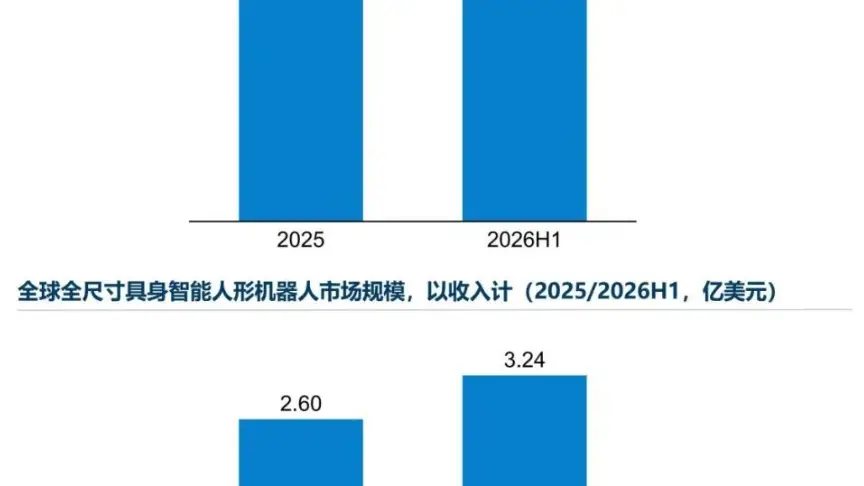
China’s humanoid robot industry is growing fast, but the money is not where the volume is. Shipments of humanoid robots jumped roughly fourfold over the past year, according to industry analysis reported this week. Yet the machines that sell in the greatest numbers are the cheap ones, while the revenue comes from a much smaller group of expensive units.
Roughly seven out of every ten humanoid robots shipped are lower-priced models. Those units are what put robots into showrooms, university labs, exhibition halls and factory trials. They are also what make headlines at trade fairs, where visitors watch machines walk, wave and stack boxes. But cheap robots carry thin margins, and many buyers treat them as experiments rather than tools.
The economics flip at the top of the market. Higher-priced humanoid robots account for about eight out of every ten yuan of industry revenue, even though they are a small share of units. These are machines bought by manufacturers, logistics operators and research institutes that need reliability, payload and software support. A single industrial-grade unit can cost as much as dozens of entry-level ones, so a handful of orders can decide whether a robotics company posts a profit.
That split explains the strange mood around China’s robotics sector. Startups announce record shipments, then struggle to show earnings. Component suppliers — makers of harmonic drives, sensors, motors and dexterous hands — often look healthier than the robot brands themselves, because they get paid whether the end product sells cheap or expensive. Investors have noticed, and money has flowed toward the supply chain rather than the finished machines.
Manufacturing depth is China’s advantage here. Shenzhen and the Yangtze River Delta region host dense networks of electronics suppliers, machine-tool shops and battery makers that can iterate on a robot design in weeks. That speed pushed unit costs down sharply, which is why entry-level humanoid robots became affordable so quickly. The same ecosystem now faces the harder task: making expensive robots dependable enough that factories keep buying them after the pilot phase.
Demand is still young. Most buyers are testing whether a humanoid form factor makes sense at all, compared with fixed robotic arms or wheeled platforms that already work well. Humanoid robots promise flexibility — a machine that can use human tools and move through human spaces — but that promise only pays off when the software is good enough to handle unpredictable tasks. Until then, many buyers hedge by ordering a few cheap units.
The next phase will be decided by who can move upmarket. Companies that only sell cheap robots risk becoming commodity hardware vendors, competing on price while component makers capture the value. Those that land repeat orders from automakers, electronics factories or logistics firms can build the service and software revenue that makes the business durable.
For global observers, the pattern is familiar from other Chinese industries: rapid cost reduction first, then a scramble for quality and margin. Humanoid robots are following that path faster than most forecasters expected. The question for 2027 is not whether China can build millions of them, but whether anyone can sell the expensive ones at a profit.