Huawei's HarmonyOS Expands Beyond Phones
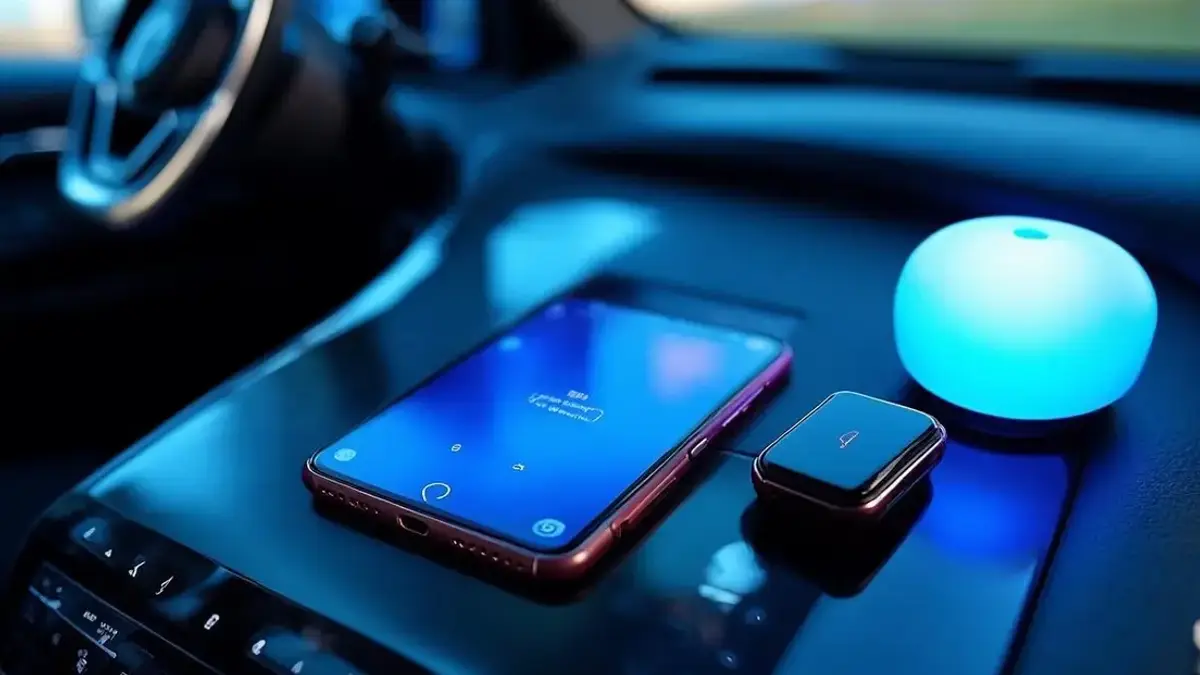
Huawei continues to expand its HarmonyOS ecosystem beyond smartphones, with recent launches demonstrating the operating system’s growing presence in consumer electronics and automotive sectors. The company has introduced a HarmonyOS-exclusive ‘Immersive Light Sensing’ music player for its NetEase Cloud Music app, specifically designed for HarmonyOS devices and available as a limited-time free experience through October 31st.
This specialized player combines visual elements from both NetEase’s classic vinyl record player and Huawei’s HarmonyOS star ring aesthetic, creating what Huawei describes as a ‘quiet musical space’ with ambient lighting and flowing particle effects. The collaboration represents how Huawei is leveraging its operating system to create unique experiences that differentiate HarmonyOS from other platforms.
In the automotive sector, Huawei’s HarmonyOS-powered Smart Vehicle Solutions division is making significant strides with the upcoming launch of the new ZhiJie R7 refreshed model. The electric vehicle, which will be unveiled on September 28th, features an impressive 855km maximum electric range and integrates numerous HarmonyOS-powered features including a 26-inch ultra-high-definition heads-up display and dual 17.2-inch butterfly-shaped interconnected screens.
The vehicle also supports Huawei’s Qiankun Intelligent Driving ADS 5 system and includes a 2.1 square meter panoramic skylight with double-layer sound-insulating laminated glass. These features demonstrate how HarmonyOS is being integrated into complex systems beyond traditional mobile devices, creating a seamless experience across different product categories.
HarmonyOS, Huawei’s homegrown operating system first introduced in 2019, has been steadily expanding its device compatibility and application ecosystem. The system’s ability to operate across various device types - from smartphones and tablets to wearables, smart home devices, and now vehicles - represents Huawei’s strategy to create an interconnected ecosystem of products.
The expansion comes amid global technology supply chain challenges, with Huawei developing its own ecosystem to reduce dependence on foreign technologies. The company’s focus on HarmonyOS development has intensified following restrictions on its access to Google Mobile Services, forcing it to build its alternative software infrastructure.
Industry analysts view these developments as significant steps in Huawei’s long-term technology strategy. The continued growth of HarmonyOS and its integration into diverse product categories could potentially reshape China’s technology landscape and influence global consumer electronics trends in the coming years.