The Chinese Art of Letting Go: Inside a Decluttering Movement
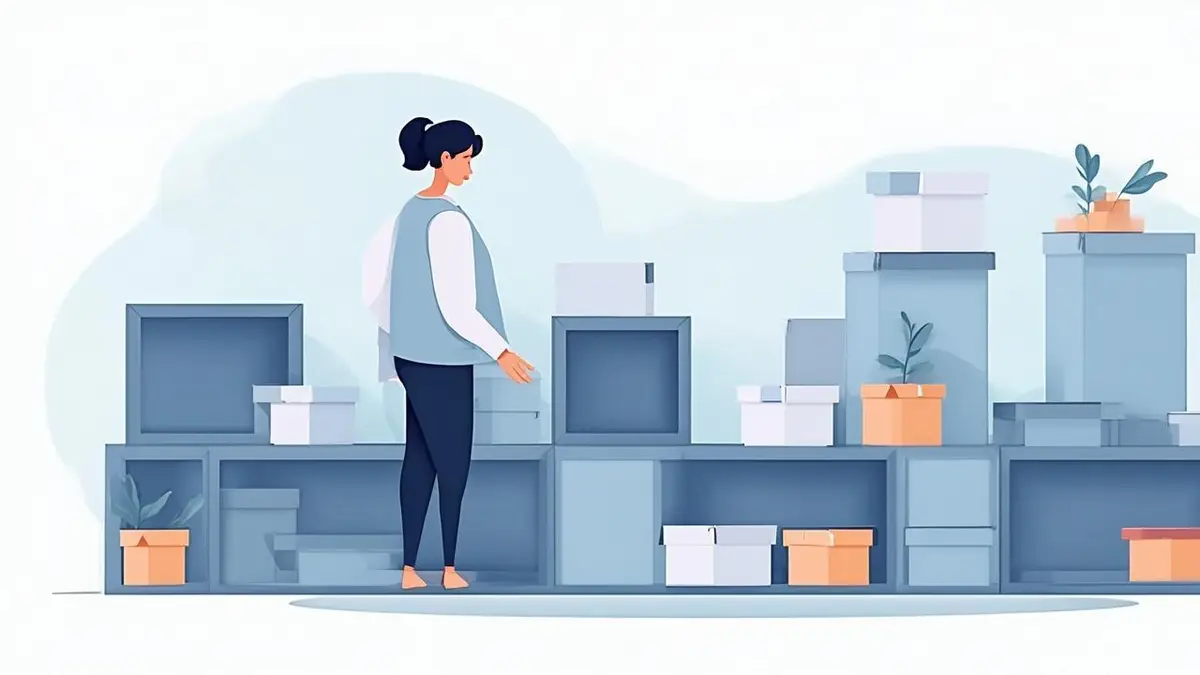
A quiet corner of Chinese internet culture has spent the past week trading notes on an old idea with new urgency: duan she li, a phrase borrowed from Japanese organizing philosophy that translates roughly as ‘cut off, discard, and leave.’ On the writing platform Shaoshupai, one essay published this week framed the practice bluntly — it is not about chasing an impossibly empty room, but about taking back control of your space when life feels chaotic.
The term has three parts. Duan means cutting off the flow of things you do not need. She means throwing out what has already piled up. Li means separating yourself from attachment to objects — and, increasingly, from unhelpful habits and relationships. Chinese readers first met the concept through translated Japanese books on tidying, but it has since been localized into something more personal and, often, more emotional.
What makes the current wave different is its tone. Earlier versions of the trend were aspirational, filled with photos of minimalist apartments and neatly folded clothes. The newer writing is more candid. Contributors describe drawers of unused cables, wardrobes of clothes kept for a version of themselves that never arrived, and the strange guilt of throwing away gifts. The reward, they argue, is not a prettier home but a lighter head.
There is a practical logic that appeals to renters in big cities, where space is expensive and storage is scarce. A single bedroom in Shanghai or Shenzhen can cost more per square meter than many people earn in a month, which makes every kept object a small ongoing expense. Decluttering becomes a financial decision as much as an aesthetic one.
The habit has also spread into digital life. Chinese phone users routinely complain about storage warnings and hundreds of unused apps, and a genre of software has grown up around cleaning up photos, messages and duplicate files. One developer wrote this week about turning a free command-line cleanup tool into a paid Mac app, describing how user feedback shaped the product. The lesson, he said, was that people do not want more features; they want fewer decisions.
Psychologists who study consumer behavior note that clutter tends to accumulate fastest during periods of change — a move, a new job, a breakup. Discarding objects can feel like rehearsing a decision you have not yet made. That may explain why the practice resonates in a culture that places heavy weight on family obligations and the careful keeping of things, from receipts to old letters to gifts that carry unspoken debts.
Not everyone is convinced. Critics point out that decluttering has become its own consumer treadmill, complete with storage boxes, label makers and books about owning less. Others note that throwing things away is a privilege, and that for many families the real skill is repair and reuse. The most thoughtful essays acknowledge this, arguing that the point is not to own nothing but to know why you own what you own.
For global readers, the appeal is easy to grasp. Every household, in every country, has a drawer that has quietly become a museum of deferred decisions. The Chinese conversation around duan she li simply gives that universal drawer a name — and a gentle suggestion that opening it is the first step toward a calmer week.