Microsoft's Shader Fix Reaches All Four GPU Makers This Month
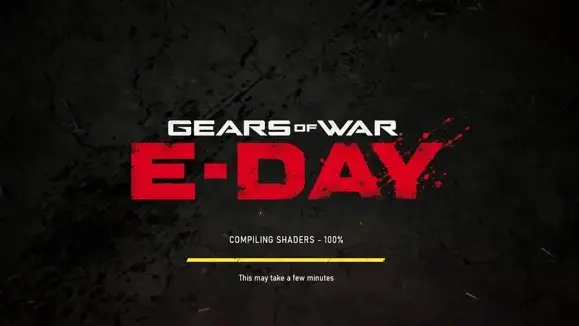
Anyone who plays games on a PC knows the ritual: a new title loads, the screen stutters for the first minute or two, then everything settles. That hiccup is shader compilation, the process of translating a game’s visual effects into instructions a graphics chip can execute. Microsoft now says it can largely be skipped, and this month the fix reaches hardware from every major chip designer.
In a post on its DirectX developer blog dated October 1, Microsoft announced that Advanced Shader Delivery, or ASD, will expand to Qualcomm, Intel and Nvidia hardware during October. AMD got there first, with its RDNA family of graphics chips already supporting the feature. With the new additions, ASD covers all four major GPU manufacturers, a milestone Microsoft framed as making the benefit available to far more players.
The idea behind Advanced Shader Delivery is straightforward. Instead of making each player’s machine compile shaders from scratch the first time a game runs, the work is done ahead of time and the finished, precompiled shaders are downloaded from the cloud alongside the game. The payoff, according to Microsoft, is shorter loading times and the near-elimination of shader stutter, the momentary freezes that plague many PC releases in their opening minutes.
Qualcomm is already moving. The company enabled ASD through a graphics driver package released on September 22, part of its 2026.0 series, which means devices running its chips can take advantage of the feature now. Intel and Nvidia are expected to follow within the month. For Nvidia, whose graphics cards dominate the market for high-end PC gaming, the addition matters most simply because of how many players it touches.
The timing lines up with a broader push across the industry to make PC gaming feel more like console gaming, where a game starts quickly and rarely stutters because the hardware is fixed and predictable. Shader compilation has been one of the last stubborn holdovers of the PC’s openness, a trade-off players have long accepted but rarely enjoyed.
It also reflects a shift in how graphics drivers are built. Rather than treating each game’s shader needs as something to be solved on the player’s machine at runtime, chipmakers and Microsoft are moving that work into the cloud, where it can be done once and shared. The approach only works if the hardware vendors cooperate, which is why this month’s expansion matters more than any single driver update.
For developers, the change could simplify launch planning. Studios have often shipped games with lengthy first-run compilation steps, or quietly accepted stutter as a cost of doing business. If precompiled shaders arrive with the download, some of that pressure eases, though results will still depend on how thoroughly each game and driver supports the pipeline.
For ordinary players, the benefit is less about numbers on a spec sheet and more about the first ten minutes of a new game. Loading screens shorten, the opening level runs smoothly, and the machine stops feeling like it needs a warm-up. That is a modest promise, but it is the kind of unglamorous improvement that quietly shapes how a platform feels to use.
Microsoft has not said exactly when in October the remaining vendors will go live, and support will vary by driver version and title. Still, the direction is clear: the company that owns Windows is betting that the cloud can smooth over one of the PC’s oldest rough edges, and this month it brings the rest of the hardware world along.