Zhao Lusi's Short-Form Drama Gambit: From Star to Producer
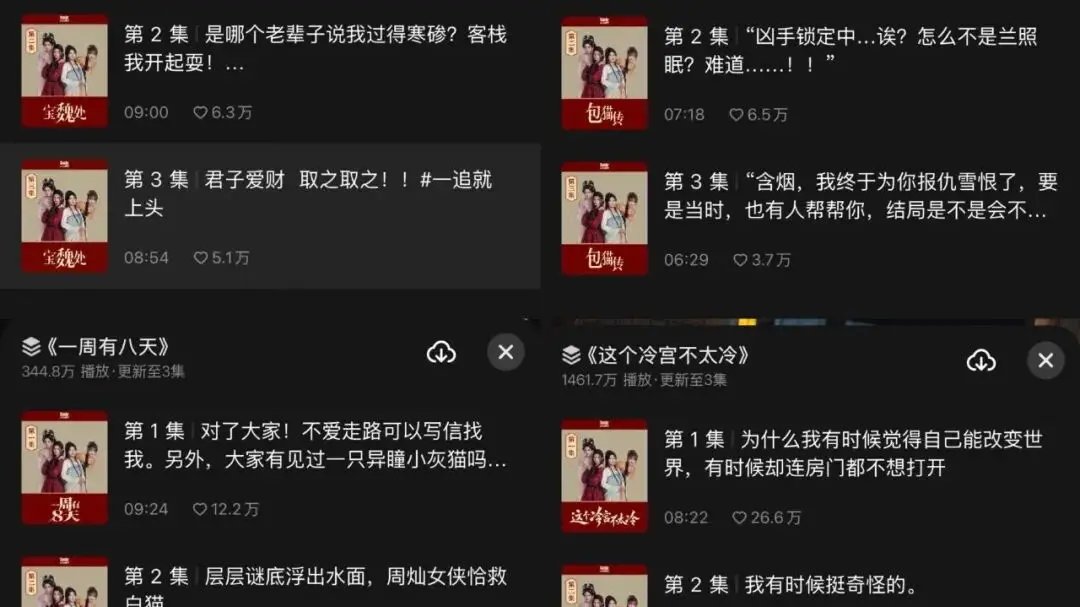
Chinese actress Zhao Lusi has spent years as one of the country’s most-followed young stars, but her latest move takes her behind the camera. In July, her studio put out an open call for scripts, and three months later the result — a short-form drama titled SONDER: I Am Not an NPC — has arrived online, with Zhao credited as both investor and producer. According to a report by the media analytics outlet New Bang, the series has already drawn tens of millions of views, a striking debut for a celebrity stepping into production.
Short-form dramas are a distinctly Chinese entertainment format: serialized stories told in episodes of just a minute or two, designed for phone screens and often consumed in a single sitting. The format exploded during the pandemic years and has since become a serious business, with platforms paying real money for cliffhanger-driven plots that keep viewers swiping. For a mainstream actress like Zhao, entering this world is a bet that the future of screen storytelling is vertical, fast and cheap to make.
Zhao is not the first celebrity to try. Actors and influencers have increasingly lent their faces and fan bases to micro-dramas, which can be produced in weeks rather than months. But few have taken the investor’s chair as openly as Zhao, whose studio solicited scripts from the public — a move that generated headlines and gave the project a built-in audience before a single frame was shot.
The commercial logic is easy to see. Zhao’s personal brand extends well beyond acting: her online store is reported to bring in more than 50 million yuan in monthly sales, and her fashion and beauty endorsements have made her one of the more bankable young faces in Chinese entertainment. A successful short drama can feed that machine, driving traffic to her shop and proving that her name sells products as reliably as it sells tickets.
Yet the format is crowded and fickle. Micro-dramas live and die on hooks, and audiences are quick to abandon a story that does not grab them in the first thirty seconds. Critical reception for celebrity-backed projects has been mixed, and the line between a vanity project and a genuine hit is thin. The reported view counts are impressive, but turning views into lasting revenue — subscriptions, advertising, merchandise — is a harder puzzle.
Zhao’s gamble also reflects a broader shift in how Chinese stars manage their careers. With traditional television facing tighter budgets and younger viewers drifting to short video apps, celebrities are building parallel businesses: e-commerce, production, brand incubation. The actress’s willingness to put her own money behind a format still seen by some as lowbrow is a signal that the stigma is fading.
For global readers, the story is a window into a media market that often moves faster than its counterparts elsewhere. China’s short-drama industry has grown from novelty to a genuine competitor for attention, and its stars are learning to produce as well as perform. Whether Zhao Lusi becomes a model for that transition — or a cautionary tale about fame outrunning craft — will depend on what happens after the first flush of views.