China's Micro-Drama Boom: One Family Spent 225,000 Yuan on Short Shows
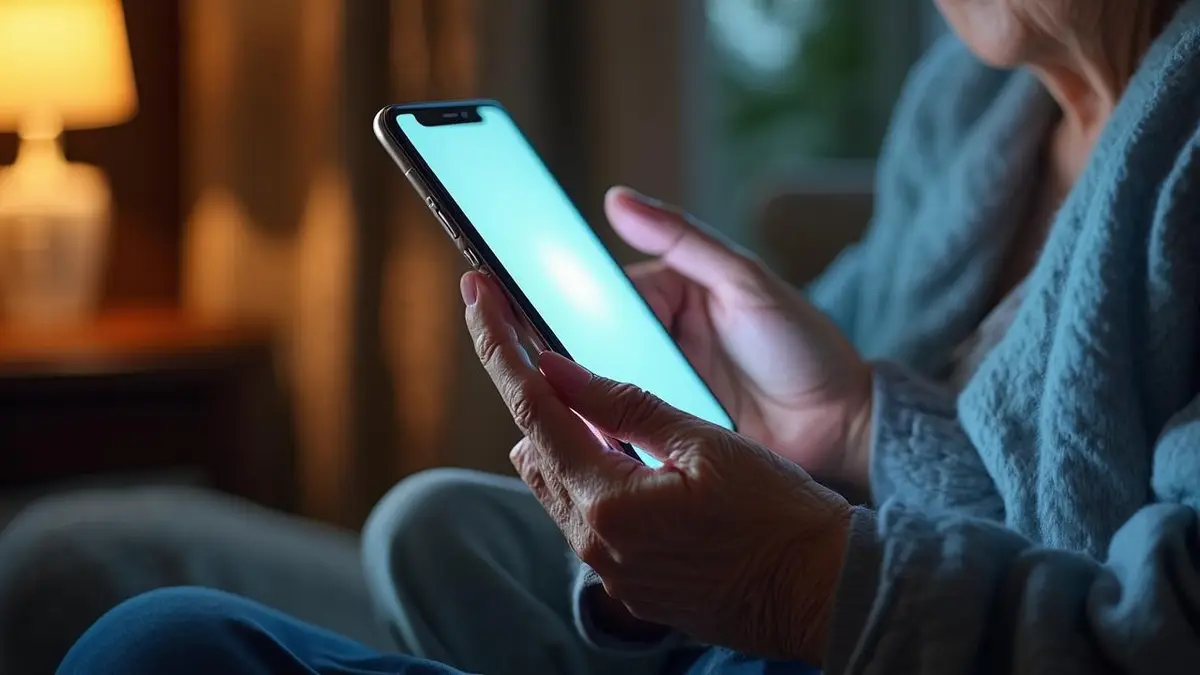
A story published this week by the Chinese tech-and-business outlet IT Times has struck a nerve across Chinese social media: a woman in her late sixties, identified only by the surname Qin, reportedly spent 225,800 yuan — roughly 31,000 US dollars — on micro-dramas over two years, mostly in small automatic top-ups of 39.9, 49.9 and 69.9 yuan.
For readers outside China, micro-dramas are a homegrown format that barely existed five years ago. Each episode runs about one to two minutes, is shot vertically for phones, and typically ends on a cliffhanger. Plots lean on revenge, secret identities, wealthy heirs and Cinderella reversals. They are cheap to produce, released in batches of dozens of episodes, and often free for the first handful before a paywall appears.
The numbers behind the format are enormous. Industry estimates put the sector’s annual revenue above 50 billion yuan, with hundreds of millions of viewers. Platforms such as Douyin, Kuaishou and WeChat Channels distribute them, while a sprawling ecosystem of small studios in cities like Xi’an and Zhengzhou churns out new titles weekly. A single hit can earn more than a mid-budget television drama.
Qin’s case illustrates the business model’s sharpest edge. Because episodes are short, the cost per click feels trivial. But a viewer who unlocks episode after episode can spend hundreds of yuan in a single night, and subscription renewals may continue quietly. Consumer groups and local media have reported a rising number of complaints from families who discover the charges only when a bank statement arrives.
What makes the story resonate is its demographic twist. Micro-dramas were initially pitched at young office workers killing time on the subway. Increasingly, the heaviest viewers are retirees with time, smartphones and pensions. Producers have adjusted accordingly, writing plots about family betrayal, inheritance disputes and late-life romance. For many older Chinese, these are the first entertainment products they have ever paid for online — and the first time they have encountered auto-renewal.
Regulators have taken notice. Authorities have asked platforms to tighten content review, cap certain spending patterns and make cancellation easier, while stopping short of banning the format. Several major apps now show clearer price labels and reminders before each unlock. Analysts expect the industry to consolidate, with bigger studios absorbing smaller ones and advertising-supported models growing alongside paid episodes.
The cultural debate is just as lively. Critics call micro-dramas junk food — addictive, formulaic, engineered for the dopamine hit of the next cliffhanger. Defenders point out that they employ tens of thousands of actors, writers and technicians, and that they give audiences stories mainstream television ignores: middle-aged heroines, rural entrepreneurs, grandparents seeking second chances.
Either way, the format is now part of daily life in China. For families like Qin’s, the lesson is practical: check the payment settings on an elderly parent’s phone. For the industry, the lesson may be that a business built on tiny, painless clicks eventually has to answer for the total bill.