King Crabs Swarm the Barents Sea. Why Are They Still So Expensive?
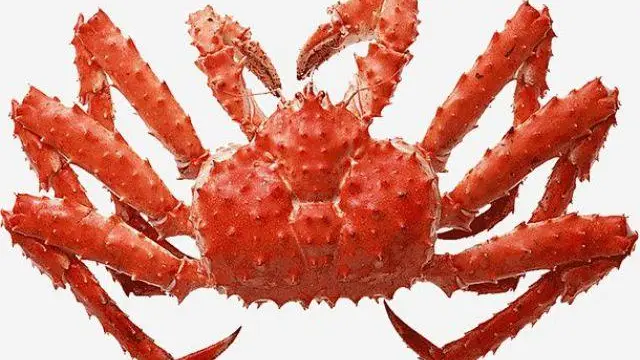
A single red king crab can measure 1.8 metres across its legs and weigh close to 10 kilograms, and by most measures it should not be in the Barents Sea at all. Russian scientists deliberately introduced the species to the Arctic coast in the 1960s, hoping to create a fishery. It worked too well. The crabs spread west along the Norwegian coast and kept going, and today they are one of the most talked-about invasive species in the ocean.
The ecological damage is real. King crabs are bottom-dwelling generalists that bulldoze through sediment, tearing up worms, clams and brittle stars, and clearing the seafloor of the small creatures that cod, halibut and other commercial fish feed on. In some fjords they have reshaped entire benthic communities. Norway now runs a free-for-all harvest in the eastern Barents, where the population is large, and a tight quota in the west, where officials want to keep the frontier from advancing further south.
So if the crabs are overwhelming the seabed, why does a plate of king crab legs cost the equivalent of a small holiday? Start with the fishing itself. The boats that work the Barents Sea are out in winter darkness, in temperatures far below freezing, hauling heavy steel-framed pots over icy decks. Crews work rotating shifts in some of the roughest water on the planet. Serious injuries are common, and insurance premiums reflect it. The crab itself is also fragile: it must be landed alive, kept chilled and shipped fast, because dead crab loses value within hours.
Then there is the quota system. Even in the eastern Barents, where the population is considered too large, regulators cap the catch to protect the fishery’s long-term value and to prevent a race that would flood the market and collapse prices. That cap, not the number of crabs in the sea, is what sets supply.
A hidden middle layer does the rest. Live king crab moves through specialist holding facilities, exporters, air freight and high-end distributors before it reaches a restaurant in Shanghai, Seoul or Las Vegas. Each step adds cost, and each step takes a cut. Demand from Asia, where king crab is a status dish at weddings and banquets, keeps the top of the market firm even when volumes rise.
The crab’s biology is also working against fishermen. King crabs grow slowly, moult on their own schedule, and reach legal size only after several years. A population boom does not translate into a supermarket price cut, because the animals still have to be caught one pot at a time in remote water.
There is a strange twist to all of this. Because the Barents stock is invasive, some chefs and conservationists argue that eating king crab is a form of environmental service, a rare case where appetite works against a problem rather than causing one. Norway’s own regulators disagree about how far to push that logic, which is why the quota line in the sea keeps shifting.
For now, the paradox holds. A creature that has colonised the Arctic seafloor in extraordinary numbers remains one of the most expensive things on the menu, not because it is rare, but because catching it is hard, dangerous and carefully rationed. The price of king crab has almost nothing to do with how many of them there are.