Chery Builds a Brain, and It Wants to Sell It Beyond Cars
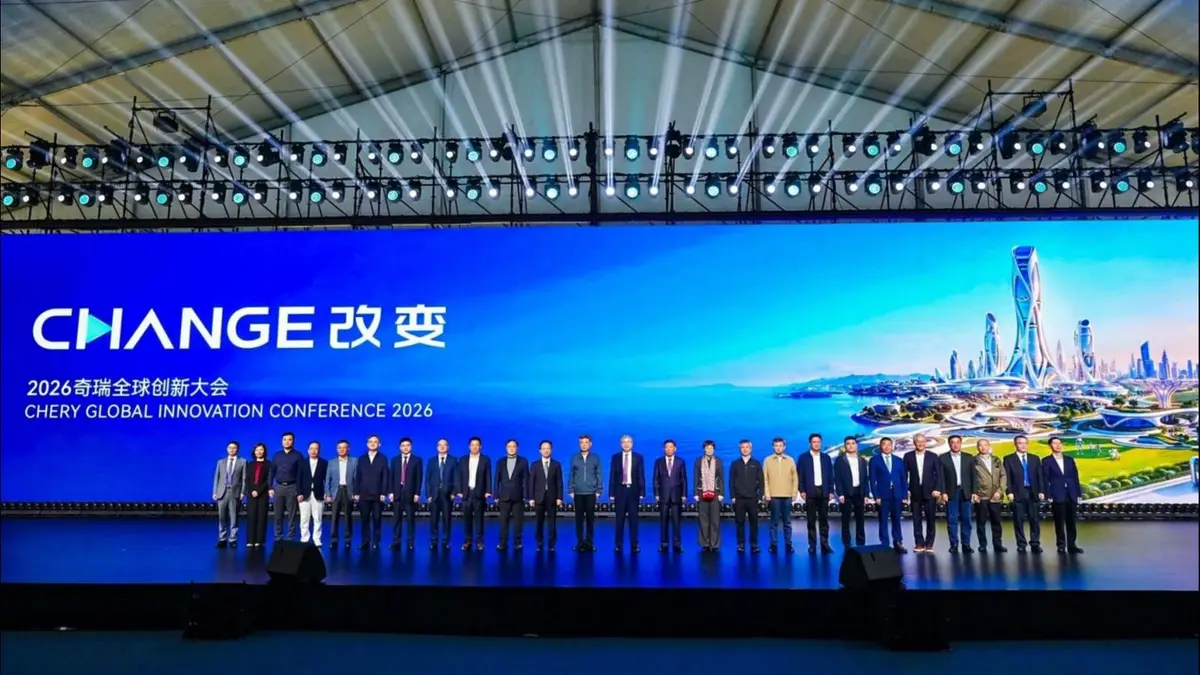
Chery, one of China’s largest carmakers and a major vehicle exporter, has built an artificial intelligence system it calls CheryMind. The company frames it less as a feature for one model than as a brain: a way to convert the manufacturing knowledge and engineering experience accumulated over decades into something that can be applied to more products and more industries.
That ambition matters because China’s electric vehicle market has become brutally competitive. Dozens of brands are fighting over thin margins, and price cuts have compressed profits across the board. For a legacy manufacturer like Chery, which built its reputation on conventional engines and steady exports, the question is how to stay relevant as software and intelligence become the selling points that buyers notice.
CheryMind is the company’s answer, at least in outline. Rather than treating AI as a bolt-on voice assistant, the company describes the system as a way to organize what it already knows. A carmaker that has spent years refining production lines, testing components and managing supply chains holds an enormous amount of tacit knowledge. Turning that into usable intelligence is a different challenge from training a chatbot, but it is one where an established manufacturer may have an edge over a software startup.
The broader logic is familiar. Automakers around the world are trying to reposition themselves as technology companies, arguing that the vehicle is becoming a computer on wheels and that the real value lies in the software layer. Chery’s version of that pitch extends beyond the car itself, suggesting the same capabilities could serve other products and industries.
It is a specific path rather than a slogan, which is notable in a sector where grand transformation narratives are common. Whether the system delivers measurable results is another matter. Details on deployment, partners and revenue are sparse, and the gap between a demonstration and a product that changes a company’s economics is usually wide.
The context makes the stakes clear. Chery has long been one of China’s most export-oriented automakers, selling in markets across Latin America, the Middle East and Europe. Those overseas sales have given it room to grow while the domestic market slows. If intelligence becomes a genuine differentiator, it could help defend that position; if it remains a presentation, rivals with deeper software teams will not be slowed.
For global readers, the interesting question is not whether one more carmaker has an AI platform. It is whether a manufacturer rooted in hardware can convert process knowledge into software advantage, a problem every legacy automaker from Japan to Germany is wrestling with. Chery’s attempt offers an early, concrete case to watch.