Why Jiangsu, a Province With No Famous Mountains, Tops China's Tourism
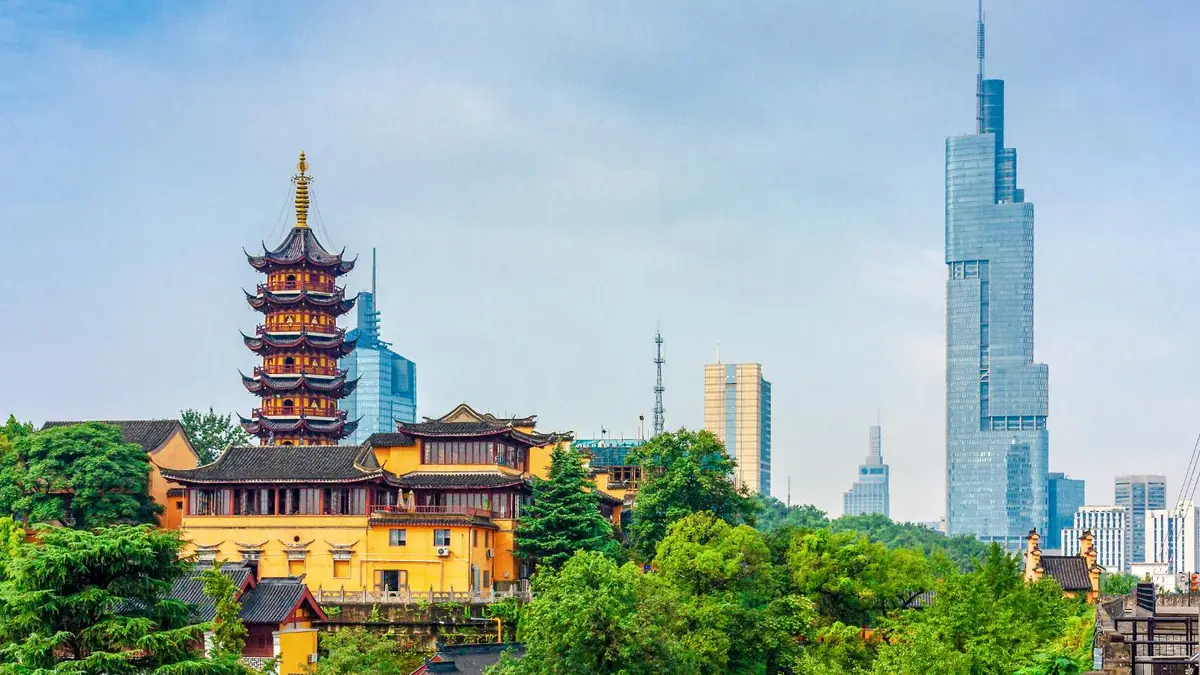
Ask a foreign traveler to name China’s most scenic province and you will probably hear Yunnan, Sichuan or Guangxi. Ask who actually receives the most tourists, and the answer is Jiangsu — a flat, watery province on the east coast that has no famous mountains at all.
That absence is the first clue to its success. Jiangsu sits on the lower reaches of the Yangtze River and the old Grand Canal, and its wealth was built on water, trade and salt rather than dramatic peaks. Cities like Suzhou, Yangzhou and Nanjing grew rich centuries ago, and their merchant families spent that wealth on gardens, temples, bridges and teahouses. Today those same places are the itinerary: the classical gardens of Suzhou, a UNESCO World Heritage site; the canals and stone lanes of Zhouzhuang, Tongli and other water towns; the lake views of Wuxi; the old city walls and museum collections of Nanjing.
Travelers also complain, half-jokingly, that Jiangsu has no nightlife. A visitor to Changsha can eat skewers until five in the morning; in Suzhou, many noodle shops close by eight. But that quiet suits a certain kind of tourist — families, older travelers, photographers and anyone who wants a calm, walkable city rather than a party. Jiangsu sells atmosphere, not adrenaline.
Geography helps enormously. The province sits in the middle of China’s most densely populated region, within a couple of hours by high-speed rail of Shanghai, Hangzhou and the Yangtze Delta’s hundreds of millions of residents. For them, a weekend in Suzhou or a day trip to a water town is cheap and simple. That steady domestic flow, repeated all year, adds up to numbers no remote mountain destination can match.
Jiangsu has also been unusually good at packaging its heritage. Gardens are restored and explained; canal towns run boat tours and craft workshops; museums in Nanjing and Suzhou are free or inexpensive and heavily visited. Food is another draw — sweet-braised meats, soup dumplings, river fish and hairy crab in autumn — and it is easy to eat well without a reservation.
For an international visitor, the province works as an accessible introduction to classical China. You can see a scholar’s garden in the morning, glide through a canal town after lunch and be back in a modern city by dinner, all without hiking boots. The lack of mountains is not a gap in the offer; it is the reason the region stayed wealthy, connected and comfortable for so long.
So the next time someone tells you China’s best travel is found at altitude, mention Jiangsu. It wins not with scenery that stuns you once, but with a dense, gentle landscape you can keep returning to — gardens, canals and teahouses, an hour apart by train.