China's Scenic Spots Push Back Against the Long Walk to the Gate
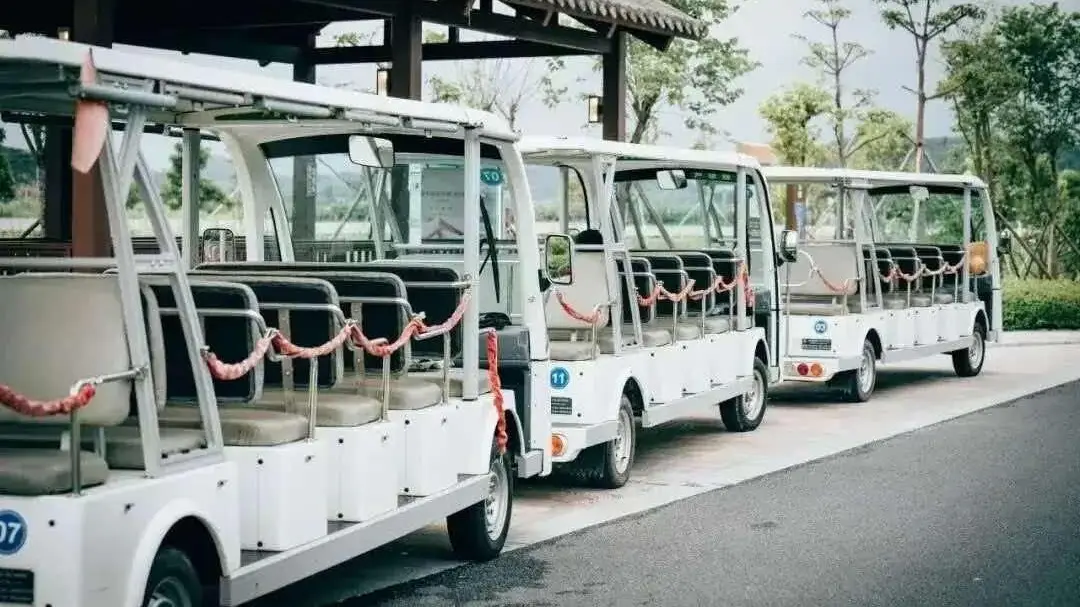
Anyone who has traveled to a major Chinese scenic area in recent years knows the ritual. You arrive, pay your entrance fee, then discover the mountains, lake or ancient village you came to see sits several kilometers away, reachable only by a paid shuttle bus that can add hundreds of yuan to a family’s day out.
The practice has become common enough that it now has a nickname among frustrated travelers: the ticket gate that keeps running away. This year, tourism authorities in more than twenty provinces and regions took action, stripping A-level ratings, downgrading or ordering deadlines for correction at more than a hundred attractions. The A-level system is China’s official quality grading for tourist sites, with 5A the highest. Losing a star is not just a matter of pride; it affects promotion, funding and visitor trust.
The scale of the crackdown suggests the problem went well beyond a few greedy operators. For many years, local governments and developers treated scenic areas as cash machines. Building a grand new gate and visitor center far from the core attraction created space for parking, shops and shuttle services, all of which generated revenue. Some parks also argued that moving traffic away protected fragile landscapes and reduced congestion at the main site.
That logic is not entirely hollow. At busy sites such as Jiuzhaigou in Sichuan or Zhangjiajie in Hunan, unrestricted cars would overwhelm narrow roads and damage the environment. Shuttle systems can genuinely improve safety and the visitor experience. The trouble starts when the distance is exaggerated, prices are set aggressively, or walking is made deliberately impractical so that riding becomes the only option.
Travelers have responded with unusually blunt reviews on social platforms, and the complaints have begun to affect bookings. In a competitive market where domestic tourism has boomed but spending per visitor has grown more slowly, reputation matters more than it once did. A park that feels like a trap loses repeat visitors and word-of-mouth recommendations, which are crucial in a country where travel decisions are heavily influenced by short-video reviews and group chats.
The regulatory push is also part of a broader effort to improve service quality across China’s tourism industry ahead of major holiday periods. With hundreds of millions of people traveling during National Day and Spring Festival, authorities are keen to avoid viral complaints that could dampen consumer confidence. Some attractions have already responded by shortening shuttle routes, lowering fares or offering free walking paths.
For international visitors, the lesson is practical. When planning a trip to a famous Chinese scenic area, check how far the entrance really is from the highlight, whether shuttle fees are included in the ticket, and how long the whole visit takes. Reading recent reviews from Chinese travelers can be more useful than official brochures. The good news is that the era of simply building a gate and collecting money appears to be ending. Parks that want to keep their stars, and their visitors, are being pushed to treat the journey to the view as part of the experience rather than a toll booth.