Why a French Traveler Was Shocked by India's QR Codes
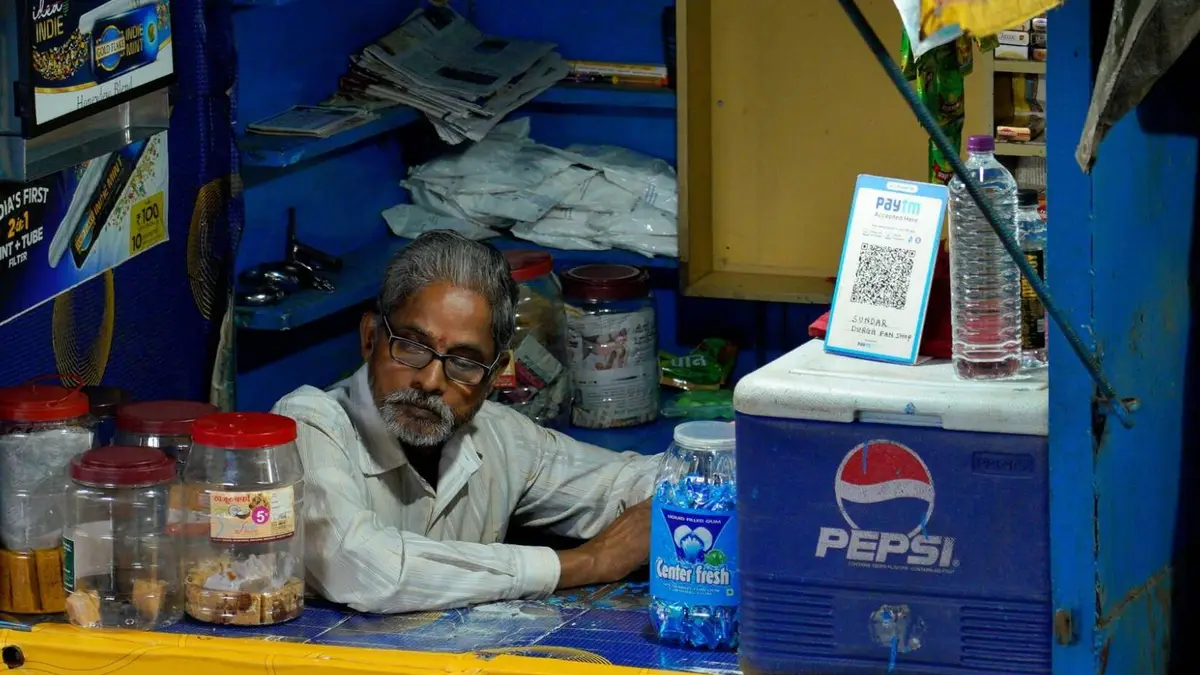
A small moment during a trip to India has turned into an unexpected cross-cultural conversation about just how far mobile payments have spread in different parts of the world — and why Chinese viewers found a French traveler’s surprise so puzzling.
According to a travel vlog posted in August by a French woman visiting India, she was struck by something she had barely thought about before her trip: the QR code payment stickers plastered across street food stalls. Even a 20-rupee snack — roughly a quarter of a US dollar — could be paid for with a simple phone scan. Like most first-time visitors, she had planned ahead for transport, hygiene and food concerns, and had packed plenty of cash. The QR codes, she said, were the last thing she expected to notice.
Her video, shared by Chinese travel media this week, drew a wave of amused reactions from Chinese audiences. For travelers from China, scanning to pay is not a novelty — it is simply how daily life works. From a bowl of noodles at a roadside shop to a taxi ride or a bag of fruit at a market, QR code payments have been the default for years in cities and increasingly in rural areas too. Many commenters said they had forgotten that this was once a remarkable convenience, not a universal given.
The episode highlights how unevenly the cashless revolution has unfolded globally. India has expanded its own digital payment ecosystem rapidly, with QR codes becoming a common sight in small shops and street stalls, though adoption and user experience vary widely by region. In Europe and North America, card and contactless payments remain dominant, and QR-based street payments are still seen as unusual. That gap explains why a traveler from France — where paying a street vendor by phone scan is far from routine — would find the experience noteworthy.
For Chinese readers, the story also carried a touch of pride mixed with irony. Some pointed out that what feels like second nature in China took years of infrastructure building, smartphone penetration and merchant onboarding to achieve. Others noted that visitors to China often have the opposite reaction: they are surprised by how rarely cash is used, and sometimes struggle to pay at all without a local mobile wallet.
The contrast cuts both ways. As travel rebounds and more people cross borders again, small everyday differences — how you pay for a snack, hail a ride or order coffee — are becoming some of the most vivid memories of a trip. The French traveler’s video, and the Chinese reaction to it, is a reminder that what counts as modern convenience depends entirely on where you are standing.
For global travelers, the practical takeaway is straightforward: research local payment habits before you go. In some countries, a phone is enough. In others, a few small bills still save the day. And occasionally, as one French tourist discovered on an Indian street corner, the most surprising part of a journey is not the monuments but the tiny QR code taped to a food cart.