Mikel on Ferguson, Mourinho and the Transfer That Shook England
Few transfers in English football history were as messy as the one that took a teenage Nigerian midfielder named John Obi Mikel to Chelsea. Two decades on, Mikel has been retelling the story in an interview with FourFourTwo, and his version is blunt: signing for Manchester United was, in his words, a big mistake, but choosing Chelsea in the end was something he never regretted.
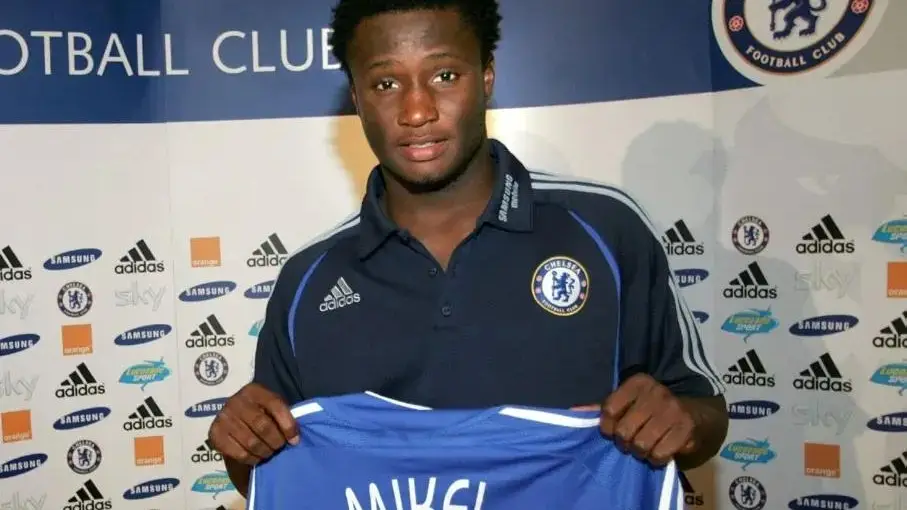
The saga began in 2005, when a young Mikel agreed to join Manchester United. Photos were taken, a shirt was held up, and the deal looked done. It was not. Chelsea, then managed by Jose Mourinho, had been tracking the same player, and a furious dispute followed over who actually held his registration. The row dragged through football’s governing bodies before it was settled, and Mikel ended up at Stamford Bridge instead. He has described the episode as costing him a year or two of his career.
What makes his account memorable is the detail about how Chelsea won him over. According to Mikel, meeting Mourinho required elaborate secrecy, because the rules of the time did not allow clubs to approach a player under contract elsewhere. Cars were arranged, meetings were hidden, and the operation was run like something out of a spy film. Mikel has said he was told exactly how he would fit into the team, and that clarity mattered more than the noise around him.
That decision shaped the rest of his career. At Chelsea, Mikel became a durable, disciplined presence in midfield under a series of demanding managers. He won the Premier League, the FA Cup, the League Cup and, most famously, the Champions League in 2012, when Chelsea beat Bayern Munich in their own stadium. For a player whose arrival had been surrounded by legal chaos, his exit years later was quiet and respected.
He also left with a story about Sir Alex Ferguson. Mikel has said the legendary Manchester United manager would greet him with a teasing line, calling him the guy who ran away back then. The tone, he insists, was affectionate rather than bitter. Ferguson had wanted him badly, lost him, and eventually made peace with it.
Mikel’s wider point is about how young players are treated. He was a teenager in the middle of a fight between two of the biggest clubs in the world, with agents, lawyers and federation officials all involved. Looking back, he frames the episode as a lesson in taking control of your own future rather than letting others decide it for you.
For fans, the interview is a reminder of a stranger, more chaotic era in the transfer market, before the current system of windows, release clauses and constant paperwork. It is also a rare case of a player speaking plainly about a move that went wrong before it went right.
Mikel’s career took him from Nigerian youth football to the top of the European game and later to international duty with his country. But he will always be remembered in England for one thing: the summer two giants fought over him, and he chose blue.