China's 60cm Egg Tart Trend and the Snobbery It Triggered
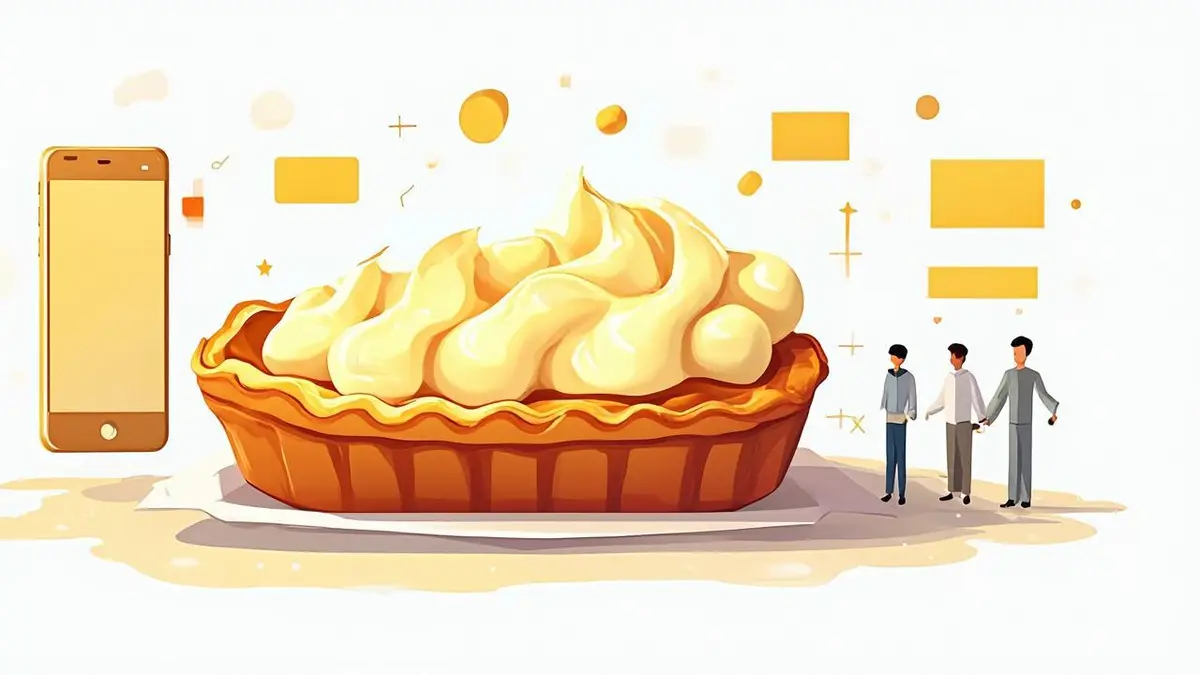
A dessert roughly the length of a forearm has been quietly taking over Chinese social feeds this autumn. The 60-centimetre egg tart — known online as the chaochang danta, or ‘super-long egg tart’ — sells for about 15 yuan, costs little more than the standard version, and tastes, by most accounts, almost exactly the same. What buyers are paying for is the shape: a long, wobbly custard column that photographs beautifully and is awkward enough to share that it turns a snack into an event.
The trend itself is harmless, even charming. A factory worker in his blue uniform buys one for his wife on the way home from a shift and she grins for the camera. A daughter picks one up for her father, who has a sweet tooth, and he eats it slowly with both hands. Street stalls and small bakeries have leaned into it, and the queues are mostly young people looking for something cheap and slightly silly to do on a weekend.
Then came the copycat captions. A style of short video began circulating in which creators posed with king crab, caviar, gold jewellery, the newest phone and floor-to-ceiling apartment windows, writing lines like: ‘Good thing I made some money this year — otherwise I’d only be posting that super-long egg tart today.’ The implication was blunt. The tart was no longer a snack. It was a marker of people who cannot afford anything better.
Chinese social platforms reacted the way they usually do to smugness: with a wave of collective mockery. Commenters pointed out that the people most obsessed with ranking others by what they buy are rarely the ones with the most to show. A widely shared line summed up the mood — the ones who love to compare are the truly poor ones. The phrase landed because it flipped the insult back on the person delivering it, and because it named something many people recognise: status anxiety dressed up as a luxury haul.
There is a real economic backdrop. After several years of cautious spending, Chinese consumers have become noticeably more interested in value, and small indulgences have outperformed big-ticket luxury in many categories. A cheap novelty snack that delivers a genuine moment of fun fits that mood precisely. When influencers use it as a punchline, they are mocking the exact behaviour that keeps neighbourhood bakeries and street stalls alive.
It is also worth noting what the tart actually does. It gets people out of the house, into a queue, talking to a vendor, filming something for friends, handing half of it to someone they like. That is a lot of social value for 15 yuan, and it explains why the format spread from city to city without a marketing budget. The dessert is not the point; the small shared occasion is.
The backlash, in the end, is not really about egg tarts. It is about a growing impatience with performative wealth on Chinese social media — the deposit screenshots, the designer bags, the carefully framed windows. Audiences have seen enough of it. The creators who leaned hardest into the joke found themselves on the wrong side of a pile-on, while the workers and daughters and fathers quietly eating their long pastries came out looking like the best advertisement the trend ever had. The snack will fade, as snacks do. The instinct to rank people by their receipts may take longer.