Hengdian's AI Extras Row: Who Owns 150,000 Performers' Faces?
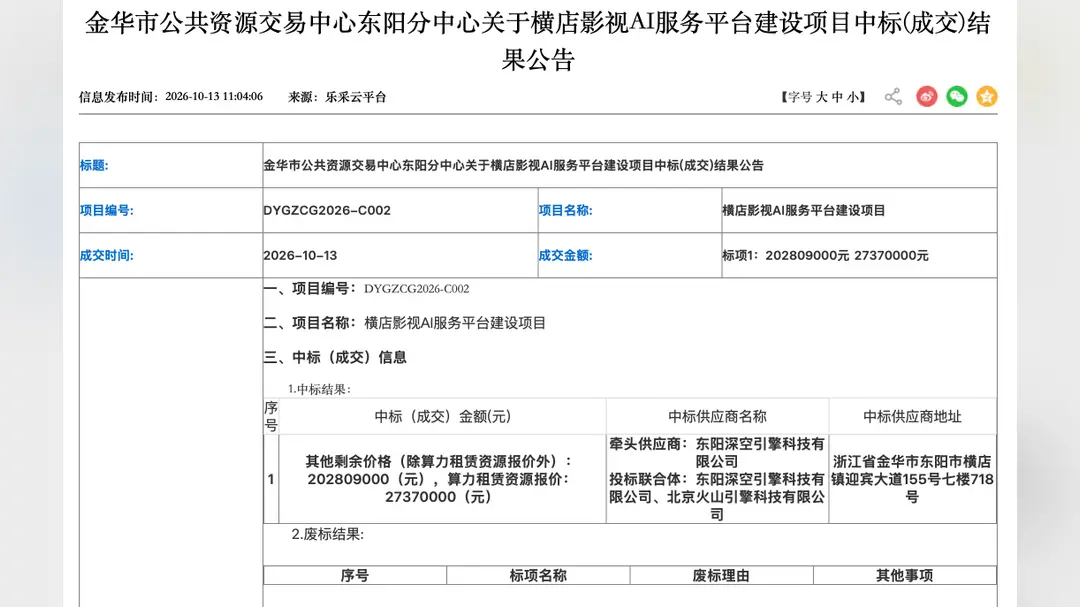
Hengdian, the sprawling film town in eastern China’s Zhejiang province that supplies sets and background performers for a large share of Chinese television and film, is at the centre of an argument it did not entirely choose. On October 28, a hashtag alleging that Hengdian had partnered with ByteDance to feed 150,000 background performers, known locally as qunyan, to AI topped Weibo’s trending list. The same day, a public relations lead for Doubao, ByteDance’s AI assistant, called the claim seriously inaccurate. The denial did not quiet the debate. It sharpened it.
The questions now being asked are practical rather than abstract. How would a film town of Hengdian’s scale secure informed consent from tens of thousands of day labourers who cycle in and out of productions? What exactly does a performer agree to when a production scans a face or a body for a crowd scene? And if a studio can generate a thousand soldiers from a handful of scans, what happens to the people who used to stand in for those soldiers?
Hengdian is not new to digitization. Studios across China have been building virtual production stages, scanning costumes and props, and using AI to speed up previsualization and crowd replication. What makes Hengdian the flashpoint is its density: it is a company town for extras, and the extras are the product. When a rumour lands there, it lands on livelihoods.
The economics of background work are thin. Extras are typically paid by the day, often modestly, and work is irregular. A scan that takes minutes could, in theory, generate a reusable digital asset that earns for years. Performers and their advocates are asking whether that trade can be fair, and whether consent given on a crowded set at the start of a long shoot means anything at all.
The industry’s incentive to automate is real. Producers face pressure to cut costs and shorten schedules, and AI crowd tools promise both. But Chinese audiences have shown themselves sensitive to anything that looks like erasing workers, and platforms have learned that a trending hashtag can become a regulatory conversation quickly. The Doubao denial shows that companies understand the reputational stakes.
What is missing is a clear rulebook. Consent forms, compensation for digital replicas, and the right to withdraw a scan are all being discussed, but none is standard across Chinese production. Hengdian’s controversy is likely to become a test case for how the country’s film and television industry writes those rules, and for whether background performers get a seat at the table when they do.
For now, the town keeps shooting. Productions continue, extras keep showing up for call times, and the argument over who owns a face once it has been scanned moves from social feeds into contract negotiations. How Hengdian answers will set a precedent for studios everywhere in China that are quietly digitizing the people at the edges of the frame.