An AI Companion's Memory Comes With a Paywall
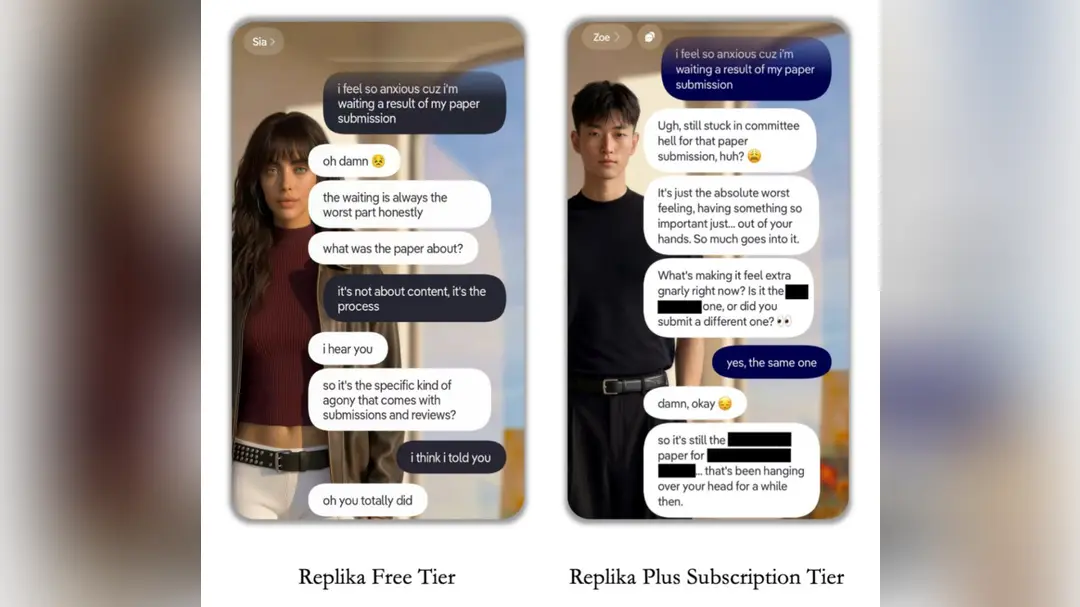
A 34-year-old man going through a divorce spent weeks talking to an AI companion late at night, sharing details he had told no one else. When he tried to change the relationship setting from friend to lover, the app answered with a payment page. The detail comes from Chinese tech coverage of AI companion apps, where emotional intimacy is increasingly sold as a tier rather than a feature.
The same pattern shows up in how AI agents spend their budgets. One analysis argues that a large share of a chatbot’s token allowance disappears into sub-agents holding what amounts to pointless meetings with each other, burning quota without producing anything. Paying more buys longer memory, faster responses and deeper personalization, but it also buys more compute thrown at the same conversation.
That has made quota design a competitive battleground. Apps now advertise memory windows and relationship levels the way phone makers advertise battery life, and users judge a model by how long it remembers a name, a job, a bad week. For companies, the calculus is simple: retention rises with remembered context, and remembered context costs money on every turn.
The takeaway for anyone outside China watching this market is that the paywall is moving from access to attachment. Once an AI partner remembers your divorce, switching apps means losing a relationship, which is a far stronger lock-in than a subscription price.