China's Drama Boom Bets on Bling, and the Bill Comes Due
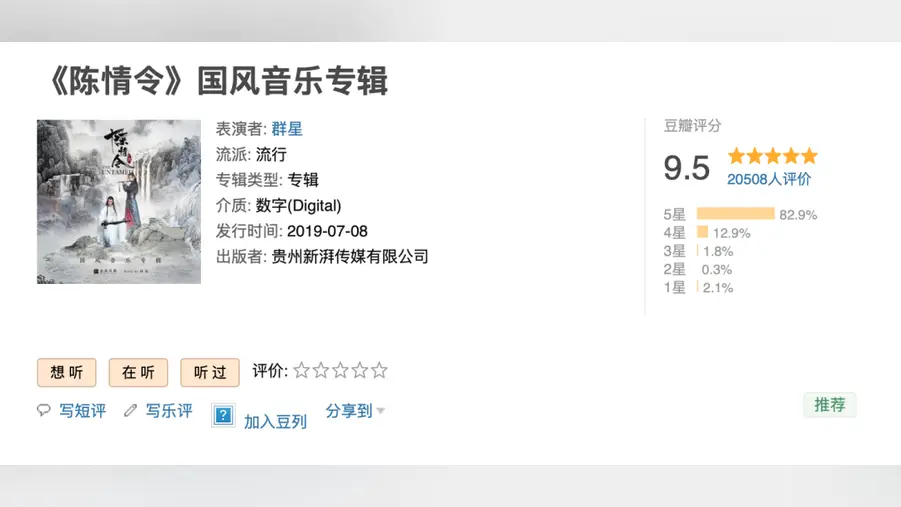
A lawsuit over a portrait-rights dispute has pulled Xinpai Media back into the headlines, and the timing is awkward. The company shot to fame on The Untamed, the 2019 costume drama that turned its leads into household names. Now it is in court with one of those same leads, a turn that reads less like a contract squabble than a symptom. When the talent you built your reputation on becomes your adversary, the model that made you is probably already broken.
The story of Xinpai is an extreme case, but the pattern it points to is industry-wide: an entertainment business that treats every project as a bet on a single breakout hit. For years that logic worked. A drama that caught fire could lift a platform’s subscriber numbers, make a studio’s name overnight and turn unknown actors into brands. The trouble is that the same logic makes failure catastrophic, because a slate of ordinary, decent shows earns nothing like the outsized returns a blockbuster once promised.
That dependence is now fraying at both ends. On the audience side, viewers have more places to spend their evenings than ever, and a big-budget period piece no longer automatically commands attention. On the capital side, the money that once chased the next hit has grown wary. Several top-tier projects, the kind billed as marquee events with the biggest stars and the largest budgets, have underperformed expectations over the past year, and the people writing the cheques have noticed.
The most visible sign is the rise of what the industry calls bare broadcasting: long-form dramas going to air with no sponsor attached. For a production that can cost tens of millions of yuan, an empty advertising slot is not a small inconvenience. It means the show has to earn its keep almost entirely from platform subscriptions and whatever buzz it can generate, with no safety net from brand money. When that becomes common rather than exceptional, the arithmetic of making television changes.
The question hanging over the sector is whether Chinese long-form drama can move away from the all-or-nothing wager. One answer being floated is a shift toward tighter, cheaper productions that aim for a steady audience rather than a national phenomenon, closer to how mid-budget television works elsewhere. That would mean smaller casts, shorter runs and less spending on the spectacle that has defined the genre, a hard sell for platforms built on the promise of the next enormous hit.
For global viewers, the shift matters because Chinese drama has become a genuine export, with costume epics and modern romances finding audiences across Southeast Asia and beyond. A industry that can only afford blockbusters will make fewer shows and take fewer risks, which tends to narrow the range of stories that reach screens. A industry that learns to make modest shows profitably could do the opposite, and produce more of the odd, specific dramas that travel best.
What happens to Xinpai itself is a footnote. The bigger test is whether the studios and platforms can build a business that survives a quiet year. The next signal will be whether the coming slate of major projects arrives with sponsors attached or arrives bare, and whether the money that once chased the next breakout hit starts funding the ordinary shows that keep an industry alive between them.