A Grieving Fan's Tribute, and a Celebrity Courtroom Win
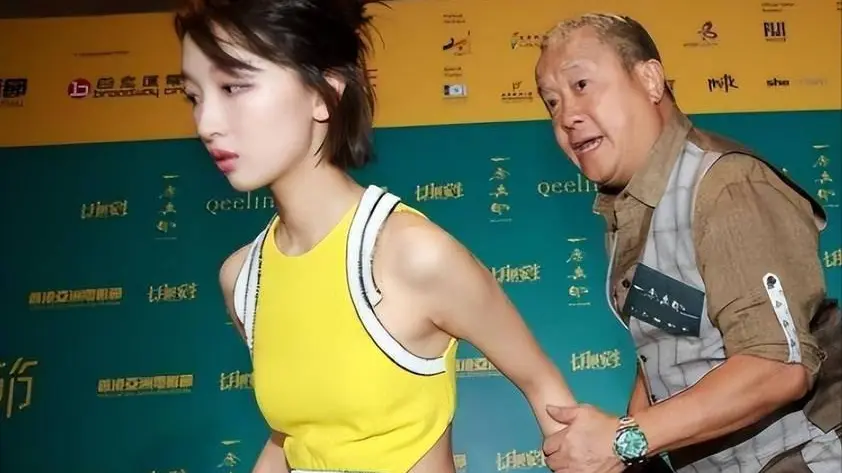
Two very different stories from the Chinese entertainment world this week share an unlikely thread: the way a public figure’s life keeps being rewritten after the cameras stop rolling.
The first is grief. Liu Huan, one of China’s most recognizable singers, died in Shanghai on September 25 at the age of 63. Within four days, the internet had done what it does with the newly departed — it went looking for the person behind the voice. His three decades teaching at the University of International Business and Economics surfaced. So did a long-standing leg condition and his wish for a simple funeral without a memorial service. For a generation of Chinese viewers, Liu’s voice was the soundtrack to documentaries about the natural world and to state occasions alike; abroad, he is best known for the 2008 Beijing Olympics theme. What emerged in the days after his death was less the star than the teacher — a man who, by several accounts, treated the classroom as his most important stage.
Among the tributes, one stood out. Singer Wei Wei, a contemporary and sometimes rumored rival, posted a short message calling him by a childhood nickname, “Huan’er.” The informality cut through years of tabloid speculation about a feud between the two. It was a small gesture, but Chinese social media read it as a closing of accounts — the kind of quiet reconciliation that only becomes possible once someone is gone.
The second story is a legal one. On December 1, 2025, a court notice surfaced showing that a netizen surnamed Su had been ordered to apologize publicly and pay 10,000 yuan for defaming actress Zhou Dongyu. Su had circulated claims linking her romantically to veteran entertainer Eric Tsang and calling her a “social butterfly” of Beijing’s elite circles. Zhou won, and when Su failed to comply, she sought enforcement. Ten thousand yuan is, as Chinese commenters noted, almost a joke as compensation. But the case matters because of its age: the rumor dates to a single cropped photograph from a 2016 event, and the label stuck to Zhou’s name for nearly a decade. Her filmography — including her breakout role in Zhang Yimou’s Under the Hawthorn Tree and later hits like Better Days — never fully drowned it out.
Taken together, the two stories describe the same machine from opposite ends. Liu Huan spent a lifetime building a reputation that the public is now sifting through, fondly and otherwise. Zhou Dongyu spent a decade trying to get out from under a reputation she never chose. In both cases, the audience decides what a famous person is — and courts, obituaries and social media posts are simply where that decision gets written down.
There is a third, less sentimental read. The Liu Huan coverage is also a reminder of how quickly private details become public property in China’s entertainment press, where memorial pieces and gossip columns are often written by the same hands. The Zhou Dongyu ruling is the rare case where the law pushed back. Neither outcome is tidy. One family asked for a quiet funeral; a nation of strangers showed up anyway. One actress won her case; the words still follow her.
For global readers, the takeaway is simple: in China, as elsewhere, celebrity is not a career. It is a custody arrangement, and the public holds partial rights. This week it exercised them in mourning and in judgment, sometimes in the same afternoon.