Zhihu's Daily Dose of Deadpan: Why Chinese Readers Love the Absurd
On Zhihu, a question-and-answer platform often described as China’s Quora, one recurring feature has little to do with expertise. Called “Xia Che” — roughly “random banter” — it collects short, punchy answers to playful prompts and serves them up as a daily digest. The latest edition asks readers to share recent photos, name actors they never realized played two roles, and point out logos that look suspiciously alike. The replies are less about being right than about being funny, and they have become a small daily ritual for a large audience.
One user, posting under the handle Space Allergic Strain, offered a photo taken during a CT scan. The caption: “I sneezed during the scan and my soul left my body.” Another, Lightcold Sun, noted that the actor Wang Hui, who plays the 13th prince in the historical drama “Yongzheng Dynasty,” also appears in the war epic “Decisive Engagement” — where, in a bit of casting whiplash, his character wants to split the country with his fourth brother. The joke lands because it rewards viewers who remember both roles.
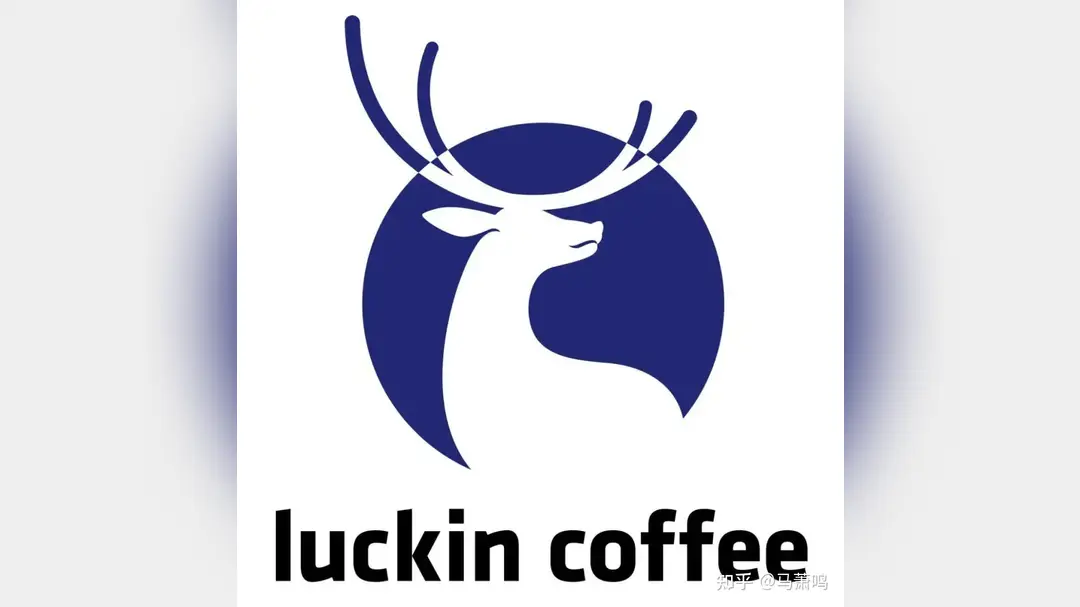
The logo prompt produced a comparison between Luckin Coffee, China’s largest coffee chain, and the University of Southampton. Seen side by side, the two marks share a certain blue-and-white geometry that is hard to unsee. The final prompt, about the lavish lifestyle of the Xu Jiayin family, drew a one-word answer: the name itself. It is a terse punchline that depends on readers knowing the context, and it shows how the feature can pivot from silliness to a kind of collective sigh.
What makes the format work is its economy. There are no long explanations, no credentials, no attempt to be comprehensive. A single line, a photo, a name — that is enough. The humor is often self-deprecating, and it assumes a reader who is willing to fill in the gaps. In a media environment crowded with hot takes and earnest advice, the appeal of a quick laugh is easy to understand.
The feature also functions as a low-stakes social space. Users who would never write a long essay will drop a one-liner, and the digest format gives those small contributions a stage. The prompts are broad enough that almost anyone can play: a photo from your camera roll, a bit of trivia, a visual coincidence. The barrier to entry is close to zero, and the reward is the pleasure of being seen and getting a reaction.
For outside observers, the digest offers a glimpse of what Chinese internet users find funny when they are not arguing about politics or products. The references are local — a Qing dynasty drama, a coffee chain, a real-estate magnate — but the underlying pleasures are familiar: the unexpected connection, the perfectly timed understatement, the shared recognition of something slightly ridiculous. It is a reminder that a lot of online culture is not about information at all. It is about passing the time together, and finding the absurd in the ordinary.