China's Home Coffee Bars: From Espresso to Creative Signature Drinks
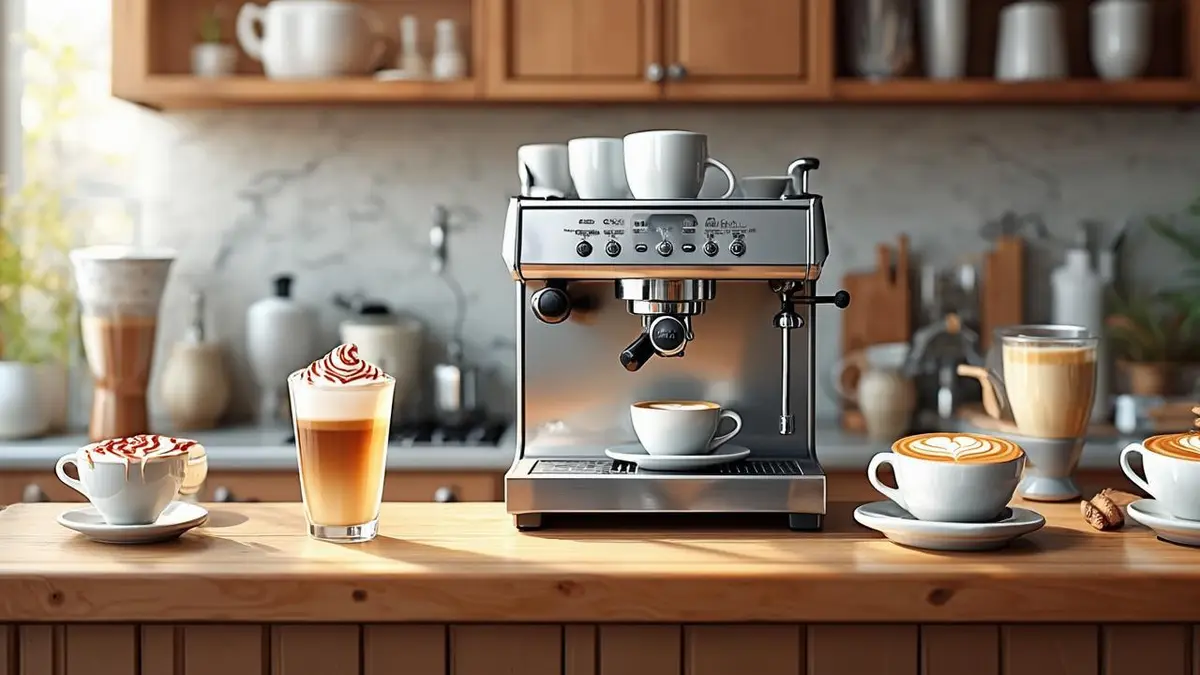
A lifestyle guide published by SSPAI, a Chinese digital publication known in English as Shaoshupai, has been walking readers through the art of making drinks at home. Its latest installment focuses on specialty coffee and other mixed beverages, following earlier pieces on equipment, liquid ingredients, solid ingredients, and recipes for milkshakes, lemonades and teas.
The series assumes no professional training. Readers learn the basics of pulling espresso at a fixed ratio, then branching into flavored and layered drinks that would look at home on a cafe menu. The tone is practical rather than precious: measure carefully, keep notes, and adjust to taste. That approach mirrors how many Chinese consumers have adopted hobbies in recent years, turning kitchens and living rooms into small studios for coffee, baking, cocktails and fermentation.
Behind this trend is a supply chain that has grown remarkably accessible. Entry-level espresso machines, hand grinders, milk frothers, syrups and single-origin beans are all available through mainstream e-commerce platforms. Specialty coffee shops in cities like Shanghai, Chengdu and Hangzhou have educated a generation of palates, and many customers want to recreate those flavors without paying cafe prices every day. Social platforms amplify the habit: short videos of latte art, pour-over routines and colorful iced drinks circulate widely, turning a private morning ritual into shareable content.
Coffee itself is a relatively young habit in China compared with tea, but it has spread quickly. Chains such as Luckin Coffee and Starbucks have made espresso drinks familiar in offices and shopping districts, while independent roasters have introduced lighter roasts and single-origin beans. The home-brewing scene sits at the intersection of those two worlds: convenience and curiosity. A kitchen counter setup can cost less than a few months of daily cafe visits, which appeals to budget-conscious young professionals and students.
Tea remains deeply rooted in Chinese daily life, and the guide’s earlier installments on tea and lemon drinks nod to that heritage. Many home drink makers blend the old and the new, using traditional tea bases with modern techniques like cold brewing or fruit infusions. The result is a fluid category where jasmine green tea, oolong and pu’er share shelf space with espresso beans and flavored syrups. This flexibility is part of the appeal; there are few rules, and experimentation is encouraged.
The equipment market has responded. Chinese manufacturers now produce a wide range of small appliances for the home, from compact espresso machines to portable electric grinders and milk frothers. Competition has pushed prices down and quality up, making it easier for beginners to start without a large investment. Online communities share troubleshooting tips, recipe ratios and cleaning routines, creating a support network that replaces the barista training a cafe would provide.
For global readers, the story is a reminder that lifestyle trends travel in both directions. China is not only a market for imported coffee culture; it is also a place where that culture is being remixed with local tastes and shared back through social media. The home drink bar is a small but telling example: a hobby that is personal, affordable and endlessly customizable.
As the SSPAI series continues, it will likely keep exploring the boundary between everyday drink and craft project. For anyone curious about what Chinese consumers are making at home, the answer may be simpler than expected. It starts with a good cup of coffee and a willingness to experiment.