China's Home Coffee Bar: Inside the DIY Drink Craze
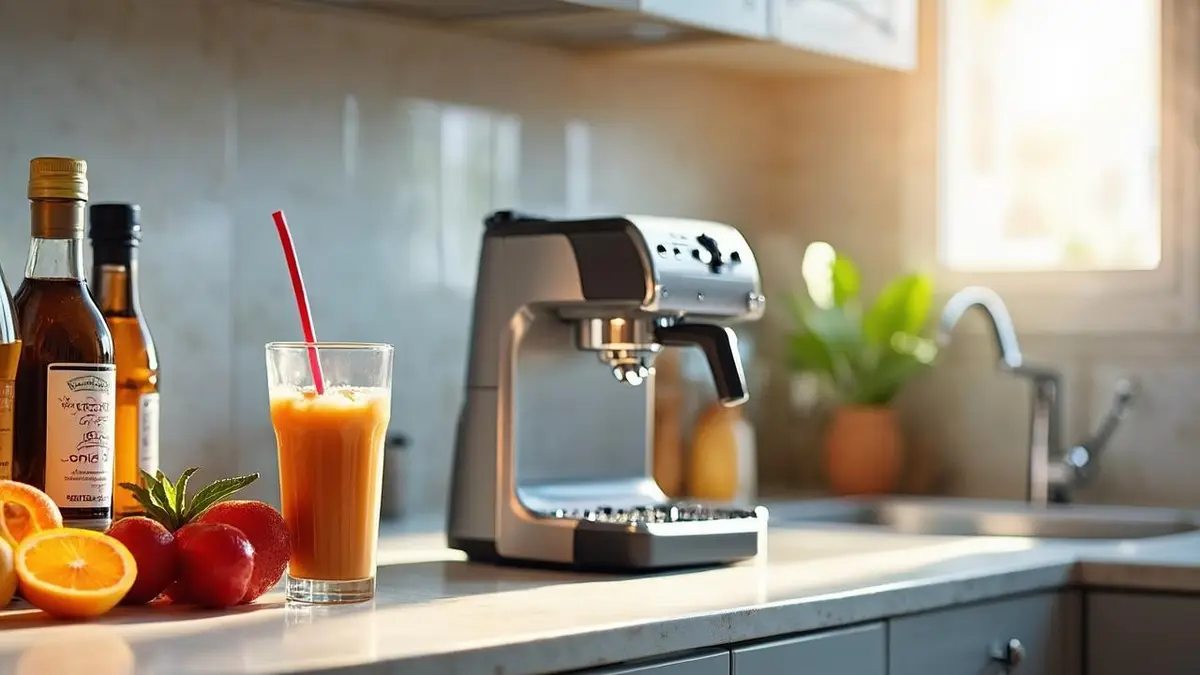
Ordering a latte in China used to mean standing in line at a Luckin or Starbucks. Increasingly, it means pulling a lever at home. This month, the Chinese tech-and-lifestyle site Sspai published the fifth installment of its long-running Home Drink DIY Guide, a series that has quietly become a small phenomenon among China’s urban twenty- and thirty-somethings. The latest entry focuses on specialty coffee and other mixed drinks, walking readers through espresso ratios, flavored syrups, and non-alcoholic cocktails that can be assembled on a kitchen counter.
The series works like a friendly textbook. Earlier installments covered equipment (“sharpen the tool first,” the author writes, quoting a Chinese proverb), recommended liquid bases, and then solid ingredients, before moving on to milkshakes, lemonades and tea blends. The fifth guide assumes readers already own a basic setup and now want to experiment: a measured shot of espresso, a touch of tonic, a splash of fruit purée, ice. The tone is practical rather than precious, closer to a cooking blog than a barista manual.
The timing is no accident. China’s coffee market has exploded over the past decade, with chains expanding into smaller cities and convenience stores selling canned cold brew. But as café prices climb and queues lengthen, a counter-trend has taken hold: people want to make café-style drinks at home, partly to save money, partly for the pleasure of fiddling. Home espresso machines, milk frothers, hand grinders and syrups have become common items on Chinese e-commerce platforms, and short-video apps are full of one-minute recipe clips.
What makes the Sspai series notable is its community flavor. The site, known in Chinese as Shaoshupai, blends gadget reviews, productivity tips and reader essays, and its comment sections function as informal test kitchens. Readers trade notes on which supermarket syrups taste least artificial, how to keep oat milk from separating in hot coffee, and whether a cheap scale is good enough. The result is a shared vocabulary for a hobby that is still new to many Chinese households.
Coffee is only part of the story. The same guide covers mocktails and other cold drinks, reflecting a broader shift in how young Chinese socialize. Going out for drinks remains popular, but hosting at home has become fashionable again, especially among people who live in smaller apartments and prefer small gatherings to loud bars. A well-made virgin mojito or a layered iced latte is now a way to show care for guests without hiring a bartender.
The trend also feeds China’s domestic appliance and food industries. Brands have rolled out compact coffee makers designed for tiny kitchens, and supermarkets stock an expanding aisle of syrups, cold-brew bags and plant milks. Tea culture, long dominant, has not disappeared; instead it has merged with coffee culture, producing drinks that mix oolong with espresso or jasmine with sparkling water. The home guide simply codifies what people are already improvising.
For global readers, the takeaway is simple: China’s drink revolution is not only happening in chain stores. It is happening on kitchen counters, one measured shot at a time. If the Sspai series is any indication, the next wave of Chinese café culture may be brewed at home, shared in comment threads, and perfected over many quiet weekends.