Why Chinese Advice Columns Keep Warning Against Going Too Far
Scroll through the culture and lifestyle feeds of Chinese news apps and you will find a steady stream of gentle, reflective essays. One recent piece, published by a media center in Longyan, a city in Fujian province, offers a simple good-night wish: may you have both a happy laugh and a good night’s sleep. Others dig deeper. An essay titled “People Have Three Great Follies” argues that the source of most anxiety and regret is a single word: excess.
The three follies it names are striking in their symmetry. Too much feeling, it says, shortens your happiness. Too much force in dealing with others invites humiliation. Too much cleverness, or seeing everything too clearly, wounds you in the end. The writer traces the idea to an old Chinese saying: deep feeling does not last long, extremes bring disgrace, and sharp intelligence brings its own injury. Young people, the essay notes, rarely understand these twelve characters. They believe sincerity will be repaid, that being forceful wins everything, and that being smart avoids all trouble.
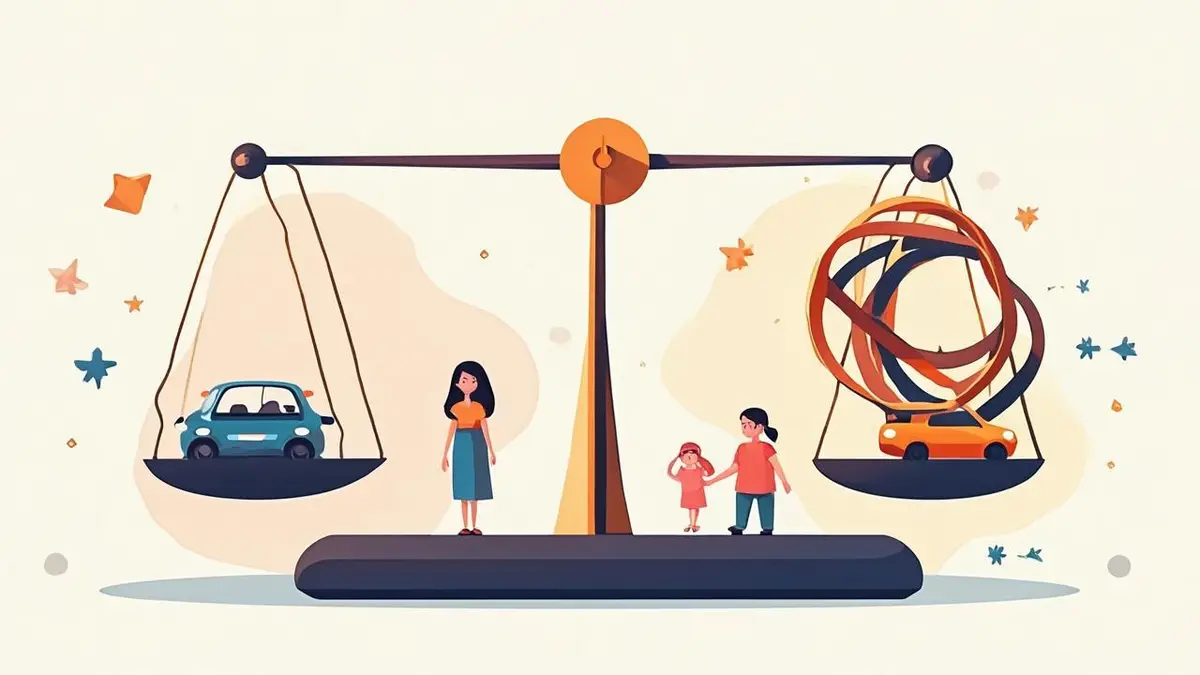
A second essay takes a more surprising route into the same territory. An interpersonal expert, it reports, claims you can judge whether someone is worth befriending by looking at their car. A person who keeps it spotless and polishes it constantly, the argument goes, is not the one to trust. The one who leaves it unwashed for months and shrugs off small scratches is the better candidate. The point is not cleanliness but temperament: how a person handles small annoyances and minor friction often reveals more than grand declarations do.
Family relationships get similar treatment. One widely shared piece addresses mothers-in-law, advising them to think twice before moving into a home run by a son-in-law. The reasoning is not that sons-in-law are cruel or daughters unfilial. Marriage, the author argues, has quietly changed shape. It once resembled a partnership between two families, where everyone’s customs had to be accommodated. Today it looks more like a company, with its own budget, rules, and chain of command. A mother who steps inside may find her daughter cannot protect her dignity there.
Another essay examines women who seem to move through life with unusual ease. Their secret, it suggests, is counterintuitive. It is not endless forbearance. The women who swallow every grievance, who say “never mind” at every dinner-table slight, do not end up rewarded. Their bank balances do not grow, and their medical reports do. The essay’s advice is blunt: stop being moved by your own generosity, because the resentment you keep down eventually turns into insomnia and hospital visits.
Marriage itself comes under scrutiny. One long piece argues that many unions die from two slow poisons: controlling money as a form of leverage, and treating a partner’s effort as simply owed. People do not enter marriage hoping for constant quarrels, mutual exhaustion, or coldness, the writer observes. Yet warmth and stability are rarer than the wedding-day promises suggest. Some couples are trapped by tangled feelings, some by money troubles, and a great many simply run out of the patience to keep choosing each other.
Not every popular essay is about restraint. One describes the difficulty of leaving a relationship by choice rather than being left. There was no betrayal and no dramatic fight, the writer recalls, only unhappiness. Being left is painful but at least absolves you of responsibility. Choosing to walk away means the decision is yours, and so is the doubt: Am I selfish? Would waiting have helped? The relief, the essay concludes, comes only when you can finally answer those questions yourself.