Ginkgo Season Arrives Late, and China Says It's the Tree of Trees
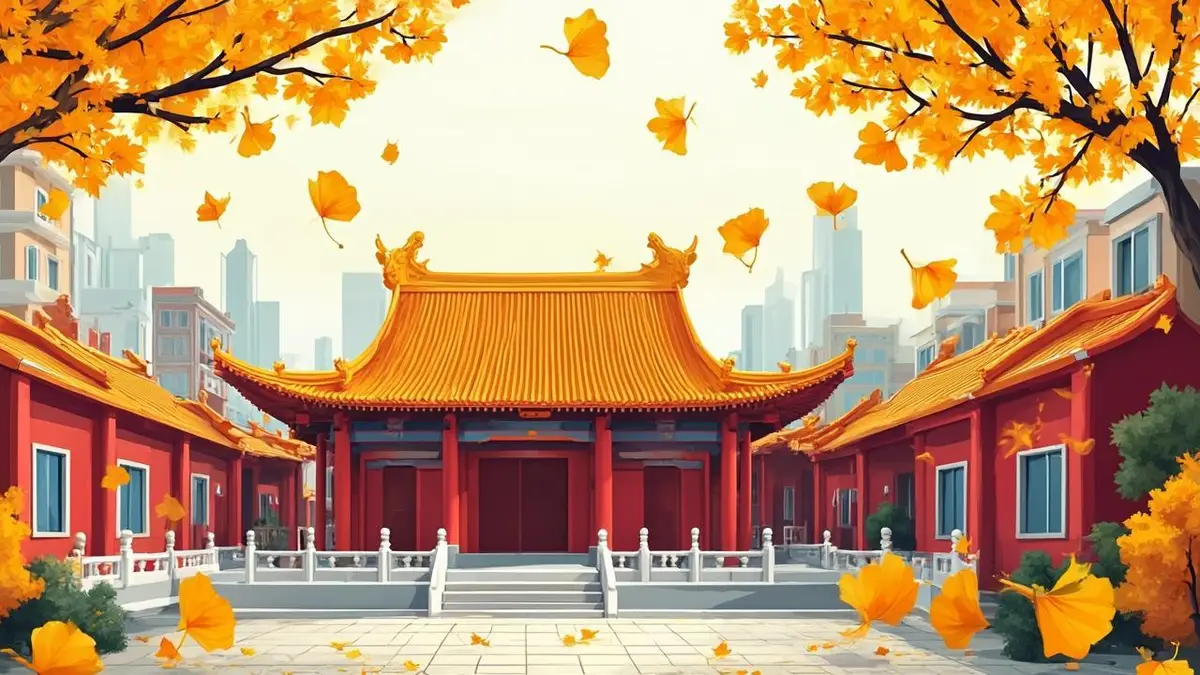
Every autumn, just as the Chinese solar calendar reaches the Frost’s Descent and the country prepares for the start of winter, a very old tree turns a very bright yellow. The ginkgo, a species that has survived on Earth for hundreds of millions of years, is the last major autumn colour in China, and many argue it is the most beautiful. This year the season is running late but arriving all at once, particularly around Beijing’s Forbidden City, where the ginkgo beside the corner tower is one of the most photographed trees in the country.
The ginkgo is often called a living fossil. It is the only surviving member of an ancient group of plants, and its fan-shaped leaves and fleshy seeds have no close living relatives. It survived the ice ages in China, and from here it was carried to gardens around the world. In Chinese cities it is planted along avenues, in temple courtyards and in parks, partly because it is tough and partly because its autumn colour is so spectacular. The leaves turn from green to gold in a matter of days, and then fall quickly, leaving a yellow carpet under the branches.
The tree also carries a cultural weight that few plants can match. It is frequently proposed as China’s national tree, and the idea has been raised repeatedly over the decades. Supporters point to its antiquity, its endurance and its deep roots in Chinese life. Its seeds, known as white fruit, appear in traditional dishes and medicine, though they must be prepared carefully. Its wood has been used for furniture and printing blocks. Temples plant it as a symbol of long life, and old ginkgo trees are often protected as living monuments.
The timing of the season is part of its appeal. While northern China’s maples and smoke trees turn earlier, the ginkgo waits until the air is cold and the days are short. That means the best displays often come in early November, when much of the autumn colour elsewhere has faded. In Beijing, the yellow leaves against red walls and grey roofs are a fixture of social media every year. In other cities, ginkgo-lined streets become temporary tourist attractions, with crowds gathering to take photographs and children collecting fallen leaves.
This year the season has been running behind schedule in many places, but the delay has only concentrated the impact. A single cold snap can turn a whole avenue gold within days, and then a wind can strip it bare. That brief window is why ginkgo viewing has become a small seasonal ritual, with people checking forecasts and sharing locations online. It is a reminder that in China’s crowded calendar of festivals and holidays, some of the most popular travel experiences are not organised events at all but natural spectacles that arrive on their own schedule.
For travellers, the ginkgo offers something rare: a world-class autumn sight that is free and often close to home. The best-known spots are crowded, but many smaller temples, university campuses and parks have their own old trees. The season will not last long. Within a week or two of the first full golden display, the leaves will be on the ground, and the trees will wait another year.