A Hotel Group's Bet: Make Diners Travel for One Meal
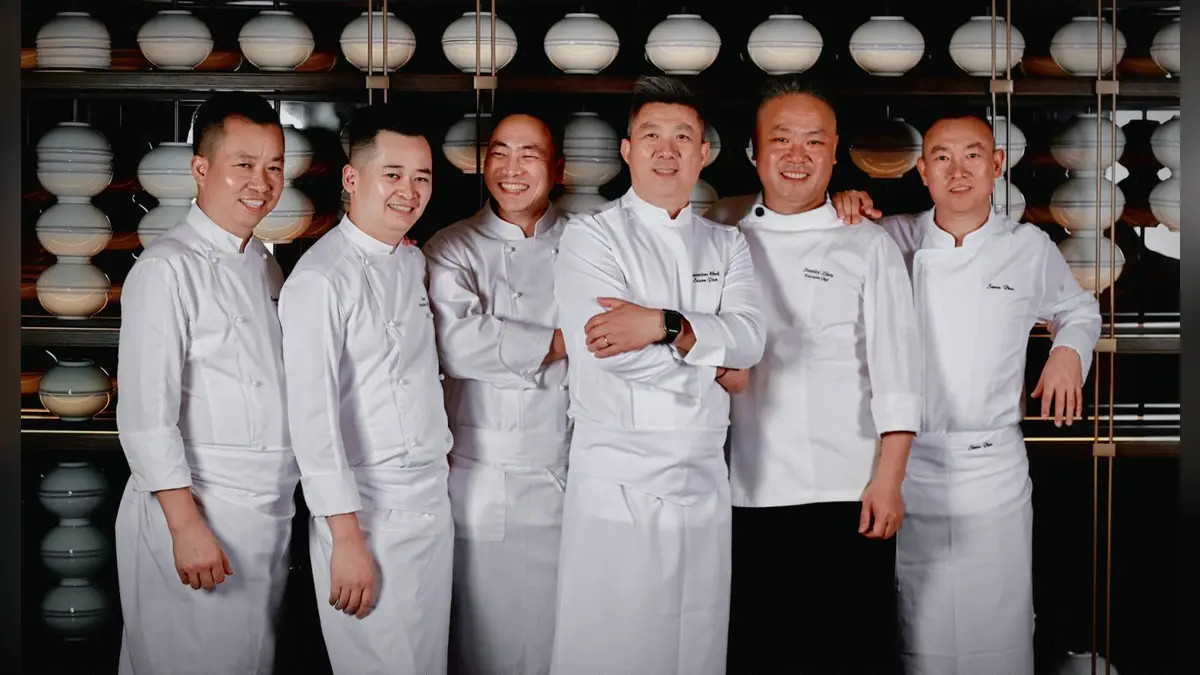
Hotel restaurants have long carried a quiet stigma in China’s travel market: they are where you eat when you are too tired to leave the building. A hotel’s kitchen is treated as an amenity attached to a room rate, not a reason to book a train ticket. That assumption is now being tested by one of the world’s largest hospitality groups.
In an interview with Chinese business media, Qiu You, chief operating officer for Greater China at InterContinental Hotels Group, laid out the company’s answer to a question its restaurant teams have been circling for years: how does a hotel dining room stop being a footnote to the room and become the destination itself?
The centrepiece is an annual food programme the group calls a flavour tour, which Qiu described as a way of connecting chefs, regional ingredients, kitchen know-how and cultural storytelling across the group’s different hotels. Rather than letting each property invent its own menu in isolation, the programme moves ideas and people between cities, so a dish or a technique developed in one kitchen can surface in another. The group’s Chinese restaurant brand, Caifeng, sits inside that effort.
The logic is straightforward. China’s domestic travel market has become intensely competitive, and a hotel room is a commodity that can be compared on price in seconds. A memorable meal is not. If a kitchen earns a reputation of its own, it can pull in local diners on a weekday evening and give out-of-town guests a reason to choose one property over a near-identical rival next door.
That shift matters because Chinese travellers are increasingly willing to plan trips around food. Cities have built identities around a single dish or a regional cuisine, and short breaks are often organised around where to eat rather than what to see. For hotel groups, capturing even a slice of that demand means competing with standalone restaurants that carry no room inventory and no lobby to maintain.
The flavour-tour approach also has an internal purpose. Large hotel groups operate dozens of brands across hundreds of properties, and food quality can drift wildly between them. A shared programme gives chefs a reason to stay, a stage for their work and a way to move between cities without leaving the company. Regional sourcing, meanwhile, lets a property in one province tell a story that a generic international menu cannot.
Qiu’s framing suggests the group sees food as a differentiator rather than a cost centre, at a time when hotel operators in China are under pressure on room rates and looking for revenue that does not depend on occupancy. Restaurants, bars and banqueting can earn money whether or not the tower upstairs is full.
The open question is whether a corporate programme can produce kitchens with genuine local character. Chain-wide consistency and neighbourhood-level personality pull in opposite directions, and diners are quick to notice when a regional speciality tastes like it was designed in a head office. The flavour tour is, in effect, a bet that the two can be reconciled by giving chefs room to lead.