Banyan Tree Buys African Hotel Group, Expanding to Seven New Countries
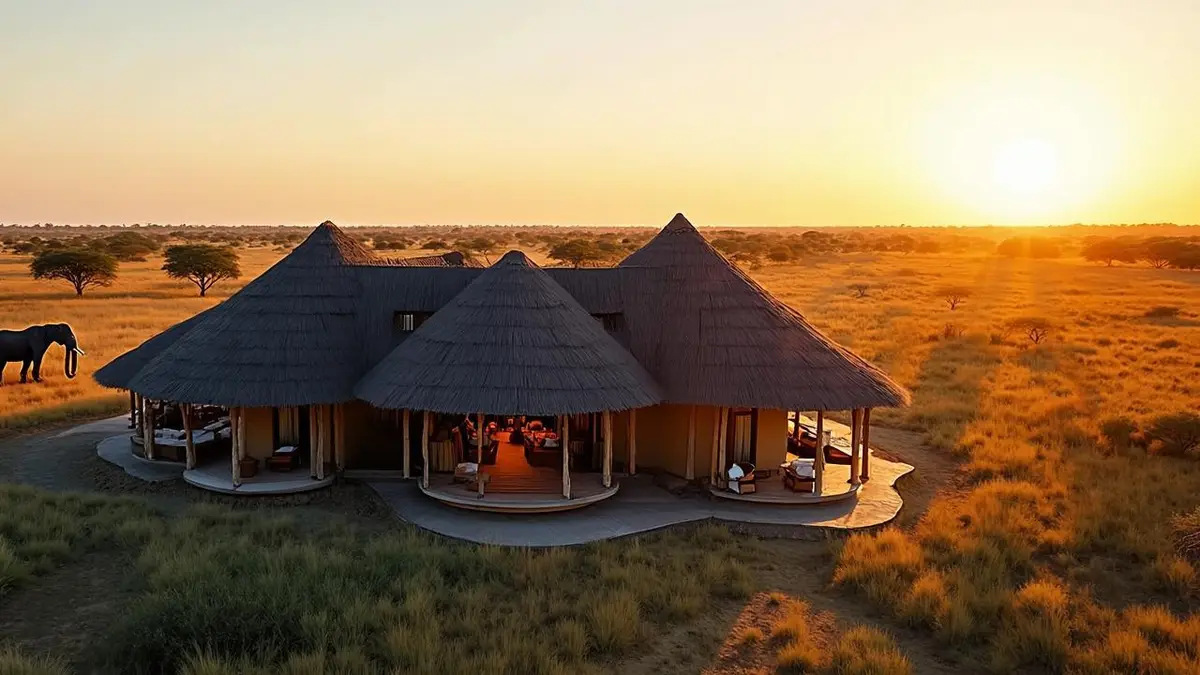
Banyan Tree Group, the Singapore-headquartered luxury hospitality company, announced on September 17 that it has entered a strategic partnership with Newmark Hotels & Reserves, a hotel management company with properties across Africa. Under the agreement, Banyan Tree will acquire a majority stake in Newmark through a phased equity structure, with the goal of eventually owning the company outright.
The move adds seven African countries to Banyan Tree’s operating map for the first time, significantly widening a portfolio that has until now focused heavily on Asia, the Middle East and Europe. Newmark currently manages a collection of upscale hotels, safari lodges and reserves, giving the Singapore group a foothold in one of the world’s fastest-growing travel regions.
For global travelers, the deal signals that Banyan Tree sees long-term demand for high-end, experience-driven stays in Africa, particularly in wildlife and nature destinations. The company’s brand is built around wellness, sustainability and a sense of place, themes that align closely with the safari lodge model Newmark has developed.
The acquisition also reflects a broader trend in the hospitality industry: large Asian hotel groups are increasingly looking beyond their home markets for growth. With travel demand recovering worldwide, established brands are racing to secure prime locations and loyal customers in regions where international tourism is still expanding.
Banyan Tree was founded in 1994 and opened its first resort in Phuket, Thailand. Over three decades it has grown into a multi-brand group spanning luxury resorts, residences and wellness retreats. The company has long positioned itself as a pioneer of the pool villa concept and destination spa experiences, and it has been expanding through partnerships and acquisitions in recent years.
Newmark Hotels & Reserves, meanwhile, has built a reputation for managing distinctive properties in Southern and East Africa, including urban hotels and remote lodges. The company’s expertise in conservation-linked tourism and local operations is expected to complement Banyan Tree’s design and service standards.
The phased nature of the deal means the two companies will work together gradually rather than through an immediate full takeover. This approach is common in cross-border hospitality deals, where local knowledge and brand integration matter as much as financial terms. It also gives both sides time to align systems, staff training and guest experience standards.
For travelers planning future trips, the practical effect may be a smoother path to booking Banyan Tree-branded stays in Africa, along with potential loyalty program benefits across a wider network. The group has not yet announced specific rebranding plans or opening dates, and details on which properties will carry the Banyan Tree name are still to come.
The announcement came as part of a weekly roundup of travel news that also included a Turkish food experience launching in Shanghai and a twentieth-anniversary celebration for Juneyao Airlines. But the Banyan Tree deal stands out as a structural shift in the company’s global footprint, moving it into a continent where luxury travel demand continues to rise.
Industry observers will be watching how quickly the partnership translates into new guest offerings, and whether other Asian hospitality groups follow with similar moves into Africa. For now, the agreement marks a clear statement of intent from one of Asia’s best-known hotel brands.