A Chinese Village Stages Its Own Talent Show, and Tourists Show Up
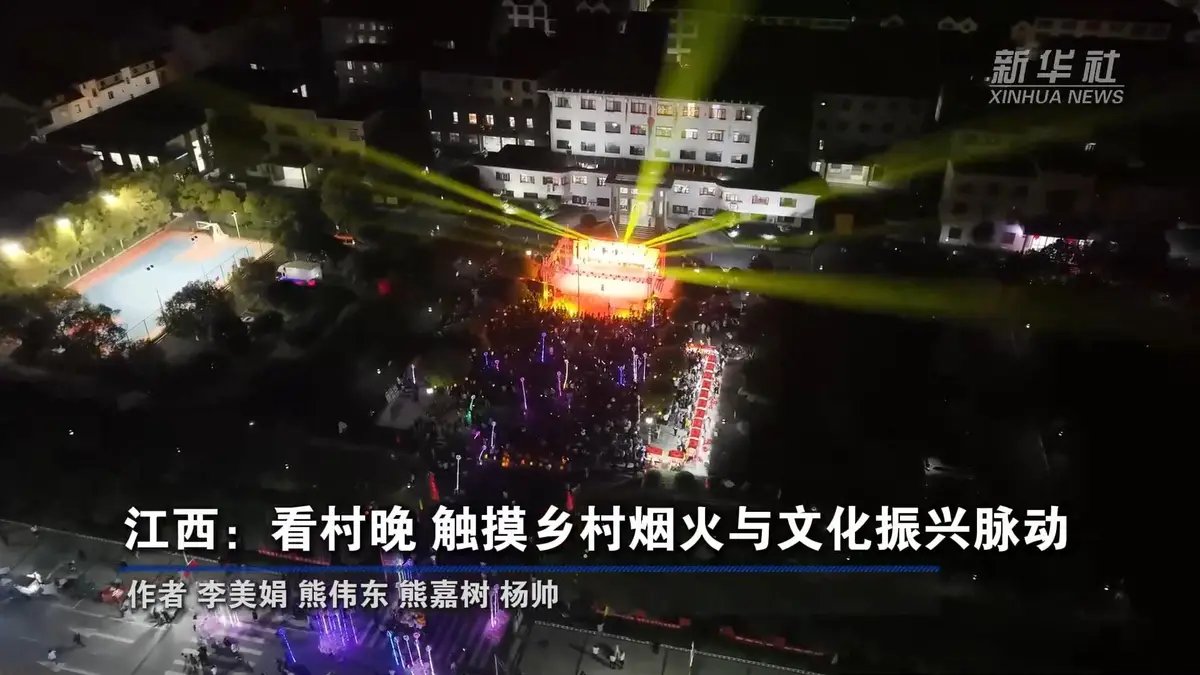
On the evening of October 11, a township square in Sili, a small town in Guixi city, Jiangxi province, filled with more than 2,000 residents and visitors. They had not come for a touring celebrity or a ticketed concert. They came for a village gala — a show written, staged and performed largely by the people who live there.
The event carried a long, ceremonial name, roughly “Guixi’s Finest, Sili’s Red Rhymes, a Tribute to the Motherland,” and it was billed as part of a series called “Dragon Tiger Wonders, Meet at the Village Gala.” Behind the branding is a simple idea that has spread quickly across rural China: let villages put on their own evening of song, dance, opera and comedy, and let visitors come watch.
Village galas, or cunwan, first drew national attention a few years ago when a farming community in Guizhou began broadcasting its amateur New Year performances online. The format caught on because it is cheap, genuine and unpredictable. A grandmother might sing a folk tune; a group of teenagers might perform a hip-hop routine; a local opera troupe might share the bill with a stand-up comic. Nobody is lip-syncing to a backing track, and the audience knows the performers by name.
Guixi sits in the northeast of Jiangxi, a province of rice terraces, tea hills and old merchant towns. The area is best known for Dragon Tiger Mountain, a scenic and religious site that draws pilgrims and hikers, and for the red earth and bamboo country around it. Autumn is peak season, when the heat breaks and the harvest comes in.
Pairing a gala with that travel calendar is deliberate. Cultural tourism has become a serious rural economic strategy: local governments fund stages, lighting and promotion, while households earn from homestays, restaurants, orchards and craft stalls. A single well-attended evening can fill guesthouses for a weekend and give small vendors their best night of the month.
For visitors, the appeal is the opposite of a polished resort. There is no queue for a photo spot, no piped music, no scripted greeting. Instead there is a plastic chair on a concrete square, a thermos of tea, and the slightly chaotic pleasure of watching a neighbor’s child nail a difficult high note — or miss it and laugh.
That intimacy is also the format’s fragility. Village galas depend on volunteers, on a handful of energetic organizers, and on audiences willing to sit outdoors as the nights get colder. Some towns have turned them into slick annual festivals with sponsors; others have quietly stopped after a season or two. The ones that last tend to keep the amateur spirit and resist the urge to over-produce.
What the Guixi crowd saw on October 11 was, by all accounts, exactly that: a hometown show for a hometown audience, with visitors welcome to pull up a chair. For travelers hunting for something beyond the ticketed attraction, a village gala offers a rare thing — an evening in rural China that is not staged for outsiders, even when outsiders are there.