Delivery Robots Stalled by Hidden Costs, Not Hard Tech
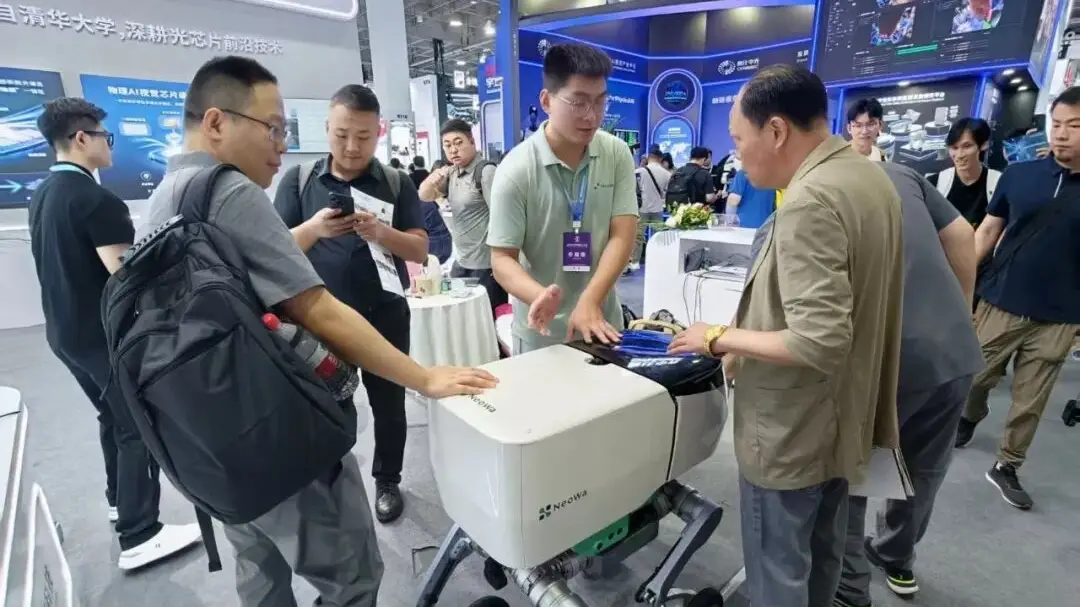
Autonomous delivery has been a headline promise in China for about a decade. Small wheeled robots already shuttle parcels and takeaway meals around campuses, industrial parks and some residential compounds. Yet the machines still rarely reach the front door of an ordinary apartment, and one robotics executive says the barrier is not the driving software.
Yang Ruigang, of the robotics startup Niuwa, laid out the problem in a recent industry talk covered by the tech outlet Taimedia. The technology for a robot to navigate a sidewalk, avoid pedestrians and cross a road is now largely workable, he suggested. What drains budgets and slows expansion are the costs that rarely make it into a demo video.
The first is deployment. Every new site is a fresh project. A robot fleet has to learn the layout of a compound, map its paths, log the positions of curbs and ramps, and settle who is allowed to open which gate. None of this scales automatically the way a software update does. Each new neighborhood, campus or office park needs its own setup work before a single delivery can happen.
The second is retrofitting existing infrastructure. Chinese cities were not built with delivery robots in mind. Lifts, lobby doors, turnstiles and security desks are designed for people, not for a knee-high machine carrying a bag of groceries. Making a building robot-friendly can mean new sensors, new door controls and negotiations with property managers, and the bill often lands on the robot operator rather than the building owner.
The third, and perhaps the most underrated, is human backup. When a robot gets confused, stuck or blocked, someone has to intervene. That means remote operators watching screens and staff on the ground who can walk over and take charge. This human safety net keeps the service reliable, but it also means the economics of robot delivery look less like pure automation and more like a hybrid workforce, where each machine quietly relies on people behind the scenes.
Yang’s point is that these costs compound. A single robot can look cheap next to a human courier on a per-trip basis, but once deployment, building upgrades and remote support are counted, the advantage narrows. That helps explain why robot delivery has clustered in controlled environments, such as university campuses and gated business parks, where one operator can manage a dense, predictable area.
That does not mean the sector is going nowhere. China’s e-commerce and food-delivery giants have kept investing in autonomous配送, and falling sensor prices keep improving the hardware. But the next phase may be less about clever algorithms and more about the dull work of standardization: shared interfaces for building doors, common rules for sidewalks, and service models that price in the human backup honestly.
For global observers, the lesson travels. Delivery robots are being tested in cities from San Francisco to Seoul, and the same hidden costs appear wherever they go. The companies that win may not be the ones with the best navigation demo, but the ones that figure out how to deploy, retrofit and support machines at scale without a human babysitter for every block.