Manchester City's 115-Count Case Now Spills Into Tax and Player Pay
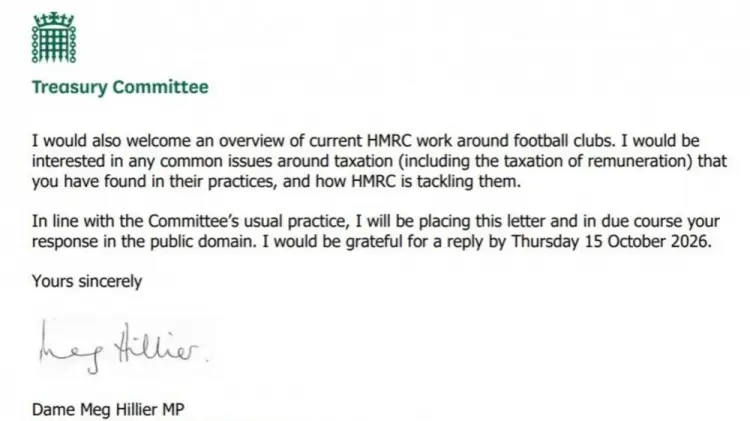
The long-running investigation into Manchester City’s finances has entered a new phase, and this time the questions are coming from outside football. According to Sky Sports reporter Rob Harris, the chair of a British parliamentary finance committee has written to HM Revenue & Customs — the country’s tax authority — asking whether the Premier League’s investigation into financial violations could raise tax issues. The letter points squarely at Manchester City.
For readers new to the story: an independent panel reviewing the club’s conduct found that City “seriously breached” Premier League rules more than 100 times across multiple seasons. The club has rejected the findings, calling them the product of a conspiracy, and says it will keep fighting through legal channels. The case has been building for years and shows no sign of a quick ending.
What makes the latest twist notable is how far the fallout now reaches. According to Sky Sports, some Premier League players and their representatives have begun consulting lawyers to assess whether they can take legal action against City. Their grievance is financial: bonuses they say they never received because of seasons in which they missed out on titles or European qualification. If a club’s conduct distorted the competition, the argument goes, players at rival clubs may have lost money they would otherwise have earned.
City’s own players are not the only ones mentioned. The reported claims involve players at other clubs whose results and standings were affected during the seasons under review. That turns a governance dispute into something closer to a contract and employment question — exactly the kind of issue that tends to produce years of litigation.
The tax angle adds another layer. Football clubs in England pay significant sums in income tax and national insurance on player wages and image-rights arrangements. If investigators conclude that financial arrangements were misreported, tax authorities may want to know whether the same arrangements were correctly declared. The committee’s letter does not accuse anyone of tax wrongdoing; it asks whether the league’s findings could have tax implications that deserve scrutiny.
The wider debate is about trust. Writing in The Independent, one columnist argued that Manchester City’s fans are victims too, and that the case has shaken the foundations of the Premier League’s integrity. Supporters of every club want to believe that results on the pitch are earned under the same rules. When a verdict suggests otherwise, it is not only rival teams that feel cheated — it is the people who buy tickets, shirts and subscriptions.
City have consistently denied wrongdoing and are expected to continue contesting the findings. Norway’s national team coach, Stale Solbakken, was asked this week whether the turmoil had affected star striker Erling Haaland. He said the player was his usual focused self and called him the best player in the world — a reminder that, amid the legal noise, the football goes on.
Still, the direction of travel is clear. What began as a league investigation has widened into tax questions, potential player claims and a broader argument about fairness in English football. Whatever the eventual outcome, the case is likely to shape how clubs are governed, how their finances are audited and how supporters judge the trophies their teams win.