Personalized Supplements Are Reshaping China's Vitamin Aisle
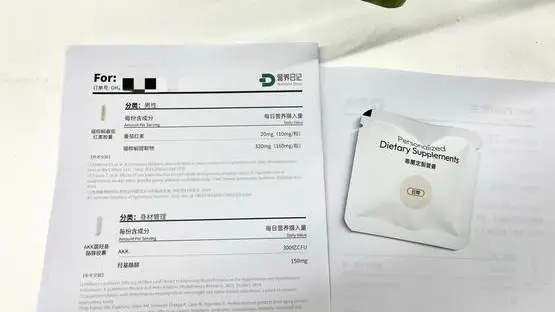
The global supplement industry is being reshuffled by a simple idea: vitamins should fit the person, not the shelf. In March 2026, Herbalife agreed to acquire British personalized-supplement company Bioniq for up to $150 million, while Rem3dy Health, parent of the Nourished brand that 3D-prints custom gummy vitamins, closed a £14 million funding round. Nourished’s annual revenue has reached £10.2 million, up 61 percent. Those deals have pushed “precision nutrition” into the spotlight as a potential successor to traditional health products.
Precision nutrition works by collecting data — blood-test results, lifestyle questionnaires, diet logs — and then assembling a daily regimen tailored to the individual. Instead of buying a single bottle of multivitamins, customers receive sachets or packs with doses adjusted to their reported needs. For consumers, the appeal is convenience and the feeling that the product was made for them. For brands, it is a way to stand out in a crowded category and build recurring subscription revenue.
In China, however, the number of players seriously pursuing this model remains small. Nestlé’s personalized supplement brand Persona entered the space five or six years ago, but few domestic companies have followed at scale. That may be changing. One Chinese brand recently reported annual sales of 90.78 million units of its personalized products, a figure it presents as evidence that the concept can work in a market where traditional health supplements still dominate pharmacy shelves and live-stream shopping channels.
The Chinese market poses particular challenges. Traditional supplements are cheap, familiar and heavily marketed, and many consumers still prefer to buy a bottle of the same pills for the whole family. Precision nutrition requires customers to share personal health data, complete questionnaires and pay a premium for customization. Trust in data handling and confidence in the science behind the recommendations are both essential, and both take time to build.
Still, the direction of travel is clear. The global deals show that large companies see personalization as a growth path. In China, the rise of health-conscious younger consumers, the spread of wearable devices that track sleep and activity, and the growing habit of ordering daily necessities online all create conditions for subscription-based supplement packs. A customer who already tracks steps and sleep may be more willing to track vitamin D levels too.
Analysts caution that the science of precision nutrition is still maturing. Individual needs vary widely, and evidence that tailored regimens outperform a balanced diet plus a basic multivitamin is not settled. Regulators in many markets, including China, classify supplements as food rather than medicine, which limits health claims. Companies that overpromise risk losing the trust that the model depends on.
For now, the battle is less about proving that personalized vitamins are superior than about making the process simple and affordable. Brands that can combine accessible testing, clear explanations and reasonable prices may carve out a niche. The 90.78 million figure suggests Chinese consumers are at least curious. Whether precision nutrition replaces traditional health products, or simply sits alongside them, will depend on how well the industry turns data into everyday habits.