China's Chainsaw Mystery: The Tool That Began as a Birth Aid
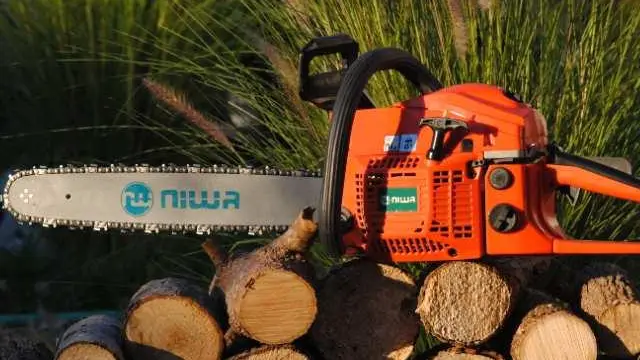
Here is a piece of trivia that reliably stops a dinner-table conversation: the chainsaw was not invented to cut down trees. Its ancestor, a chain saw, was designed in the late 18th century as a surgical instrument for assisting difficult childbirth — cutting through bone when a baby could not otherwise be delivered. Only much later did the same basic idea migrate to operating theatres for orthopaedic work, and later still to forests and timber yards.
The detail comes from a long-running question-and-answer thread on Zhihu, China’s most popular knowledge-sharing platform, where users ask deceptively simple questions and specialists answer at length. The topic this time: what inventions ended up wildly at odds with the purpose they were made for? The chainsaw is a textbook case. A tool born in a delivery room became a symbol of logging, horror films and suburban yard work.
Chinese readers have a particular appetite for this kind of story. Zhihu threads regularly turn into improvised lectures that pull in history, engineering and medicine, and the best answers circulate for years afterwards in screenshots and group chats. The appeal is not just trivia. It is the pleasure of realising that everyday objects carry buried histories, and that progress rarely follows a straight line.
Other answers under the same question make the same point from different angles. The treadmill began as a punishment device in 19th-century prisons, where inmates walked on a rotating wheel to grind grain or pump water — hard labour later reborn as gym equipment. Bubble wrap was originally pitched as textured wallpaper. Play-Doh started life as a wallpaper cleaner. Viagra was developed as a heart medication. Each example follows the same arc: an object fails at its first job, then finds an unexpected second one.
There is a practical lesson buried in all this, and it is one that resonates in China’s fast-moving technology sector. Inventors and companies are often poor judges of what their own creations are for. The market decides. A product designed for one user group can be adopted by a completely different one, and the original intention becomes a footnote. Historically, the chain saw is an unusually stark example because its first purpose was so specific and so humane, and its later identity so industrial.
The childbirth connection also explains why the earliest versions looked nothing like the machines sold in hardware stores today. Early surgical chain saws were small, hand-cranked and designed to reach into confined spaces. The flexible chain — the feature that gives the tool its name — existed precisely because a rigid blade would not do the job. When the same flexible cutting action was scaled up and given a motor, it became the tool that fells trees. The engineering was continuous; the purpose was not.
For global readers, the story is a reminder that Chinese online culture is not only about entertainment and consumer trends. Platforms like Zhihu host a large, self-organising community of doctors, engineers and historians who spend their free time explaining the world in detail. The questions may look whimsical — why don’t we farm rhinos, why does a square seal behave differently from a round one — but the answers are frequently serious research, written for a general audience.
That is perhaps the real find here. The chainsaw’s origin is a good fact. The fact that millions of Chinese readers gather online to argue about it, patiently and at length, is a better one.