Why Chinese Parents Still Walk Their Fifth-Graders to School
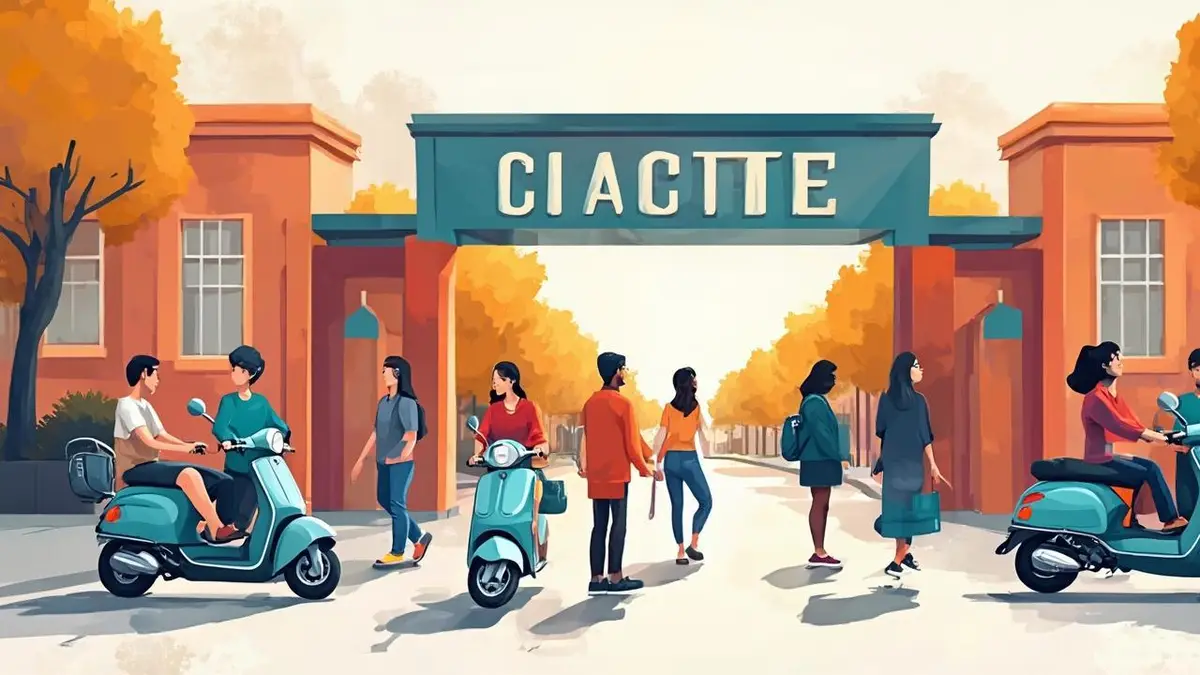
A single question posted to a popular Chinese forum this week has drawn thousands of replies: why do so many parents still walk their fourth- and fifth-graders to school, when the children look old enough to manage the trip alone? The poster recalled walking to school by himself from third grade, often meeting neighbours along the way and playing outside on the route home. He noted that some parents now crowd school gates so tightly the pavement disappears.
That memory of an unsupervised childhood is common among Chinese adults who grew up in the 1980s and 1990s, when traffic was lighter and most families lived close to their neighbourhood school. Many commenters said they simply walked, cycled or took a bus, and that the experience taught them to read streets, handle small problems and look after younger children.
The parents who line up outside gates each afternoon tell a different story. Cities have grown far larger, and a family may now live several kilometres from the school their child attends. Main roads carry heavy traffic, electric scooters weave along pavements, and rush hour can turn a short walk into a genuine hazard. For many working parents, the trip is also the only guaranteed time they spend with their child on a weekday.
Safety fears run deeper than traffic. Child abduction rumours spread quickly through parent chat groups, even when such cases are rare, and a single frightening story can shape a whole neighbourhood’s habits. Grandparents often handle pickups while both parents work, and a fixed routine gives families a reliable handover point rather than leaving a child to wait alone.
Commenters also pointed out that school hours rarely match office hours. Lessons may end in the mid-afternoon, long before most jobs finish, so someone has to be at the gate. Some schools require a parent or guardian signature at pickup, and a few restrict younger pupils from leaving unaccompanied at all. Independence, in other words, is not purely a family decision.
The debate is not unique to China. Parents in Japan, South Korea and many Western cities argue over the same trade-off, and Japan’s tradition of young children travelling in groups is often cited as the ideal. Chinese families do practise a version of it: walking school buses, where parents take turns escorting a group of children along a fixed route, have appeared in several cities and are frequently praised in the thread.
Those who defend the current habit say independence can be built in smaller steps. A child might walk the last block alone, carry a phone, or travel with a classmate while a parent follows at a distance. Several commenters described letting children take public transport from around age ten, with a shared location app as a safety net rather than a leash.
What emerges from the discussion is less a verdict on parenting than a portrait of how urban childhood has changed. Longer commutes, busier roads, smaller families and longer working hours have all pushed parents toward the school gate. Whether that makes children less capable or simply better protected depends on whom you ask, but few of the thousands of replies suggest the question will be settled soon.