The Chinese Kitchen Gadget That Silently Floods Homes With Carbon Monoxide
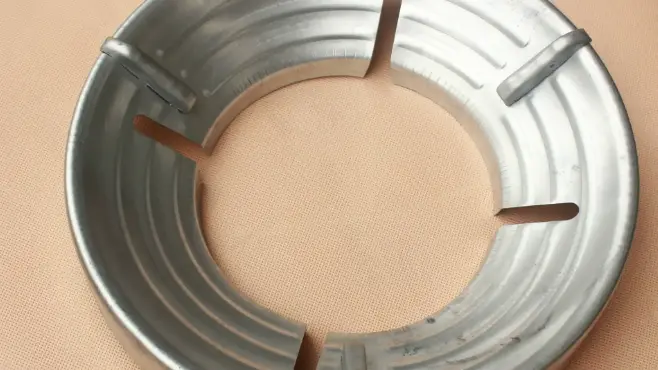
It costs a few yuan, clips onto a gas burner in seconds, and promises to save fuel by cupping the flame into a tighter ring. Sold widely on Chinese e-commerce platforms as a “windproof” or “energy-saving” cover, the little metal disc has become the subject of an urgent warning after a widely shared account described a family poisoned at home, with a wife and child dying a month after one was installed.
For many buyers the appeal is obvious. Gas is a running household cost, and a gadget that claims to squeeze more heat from every flame feels like free money. The cover sits a short distance above the burner, gathering the flame into a narrow circle. Shop listings show it glowing under a wok, with captions promising faster cooking and lower bills.
A user on Zhihu, the Chinese question-and-answer site, described what happened when he fitted one. The stove lit normally. There was no smell, no soot, no obvious change in the flame. Then his kitchen’s gas and carbon monoxide alarm began shrieking and cut the supply. He wrote that without the alarm he might have become a news story himself.
The mechanism, safety specialists explain, has little to do with leaks and everything to do with combustion. A healthy blue gas flame needs a steady supply of air. The cover partially encloses the burner, and as it heats up it can starve the flame of oxygen. Combustion then becomes incomplete, producing carbon monoxide instead of carbon dioxide. Carbon monoxide is colourless, odourless and does not irritate the eyes or throat, so the first sign of trouble is often a headache, dizziness or drowsiness that people blame on tiredness.
That is what makes the product so treacherous in ordinary apartments. Chinese city kitchens are frequently small and tightly sealed against noise, heat and cooking smells, with a range hood but no open window. In winter, when windows stay shut for weeks, a slow build-up of carbon monoxide can reach dangerous levels while a family eats dinner a metre away.
Online reaction has split between alarm and disbelief. Some commenters argue that a few yuan of metal cannot possibly be that dangerous, and that generations have cooked over enclosed fires. Others point out that traditional stoves and charcoal braziers kill people every year, precisely because the danger is invisible. Several said they had thrown their covers away after reading the posts; others asked how to tell whether their own stove is burning cleanly. The practical answer from safety educators is unglamorous: a blue, steady flame is good, a yellow or orange one is not, and a working carbon monoxide alarm near the kitchen is the only reliable early warning.
Whether regulators will move to ban the covers is unclear. The products are cheap, numerous and sold under many brand names, which makes enforcement difficult, and no single national standard currently governs them. For now the advice circulating online is simpler than policy: if a device promises to trap a flame, remember that a flame needs air. A few yuan saved on gas is a poor trade against a gas that gives no warning at all.