Ping An's New Cultural Push Takes Intangible Heritage on the Road
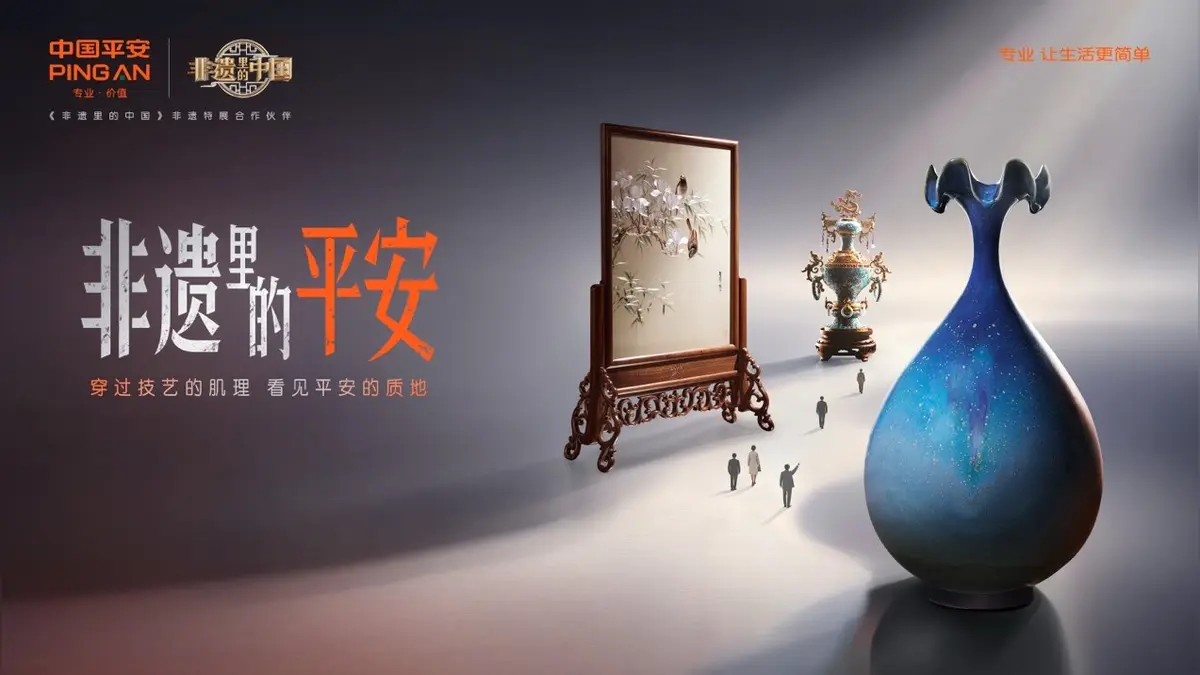
China’s largest insurers are increasingly branching into cultural work, and Ping An has now made its most visible move yet. The company has created its own cultural brand, “Ping An in Intangible Heritage,” and paired it with a partnership with the television program “Intangible Heritage in China.” The first event in a planned nationwide series opened on October 30, according to a report from Jiemian Culture.
Intangible cultural heritage is the Chinese term for living traditions — crafts, opera forms, cooking techniques, festival customs and other practices passed down between generations rather than preserved in buildings or museum cases. In recent years, the country has placed growing emphasis on what officials and practitioners call systemic protection: not just recording a craft, but keeping it alive through teaching, performance and commercial use.
Ping An’s framing is deliberately dual. The company describes the effort as combining professional value with responsibility for safeguarding tradition, language that places a financial-services firm at the center of a cultural mission. The event series is intended to explore how cultural inheritance and comprehensive financial services might be woven together.
That combination is less unusual in China than it might sound. Financial institutions have been building cultural and lifestyle programming into their branding for years, partly to reach younger consumers and partly to align with a broader public mood that prizes domestic traditions. Heritage themes carry particular weight because they are seen as non-commercial in spirit even when staged by commercial entities.
The choice of a television partnership matters. “Intangible Heritage in China” is a program built around showcasing traditional crafts and their practitioners, giving Ping An a ready-made stage and a recognizable name to attach its own branding to. The company says it plans events in multiple cities, turning a single broadcast tie-in into a traveling series.
What remains to be seen is whether the events function as genuine support for heritage practitioners or primarily as marketing. The report gives no details on which crafts will be featured, how artisans are selected or what share of any proceeds reaches them. Those are the questions that usually decide whether a corporate heritage program is judged seriously.
For global readers, the story is a useful window into how Chinese companies now talk about culture. Heritage has become a mainstream corporate language, used by insurers, automakers and consumer brands alike. Ping An’s series will be one test of whether that language translates into sustained, visible work rather than a single season of events.
The first stop opened on October 30, and more cities are planned. The pace and depth of those follow-ups will say more about the program’s intent than any launch announcement.