Why Chinese Holiday Travelers Are Swapping Hotpot Cities for Ancient Capitals
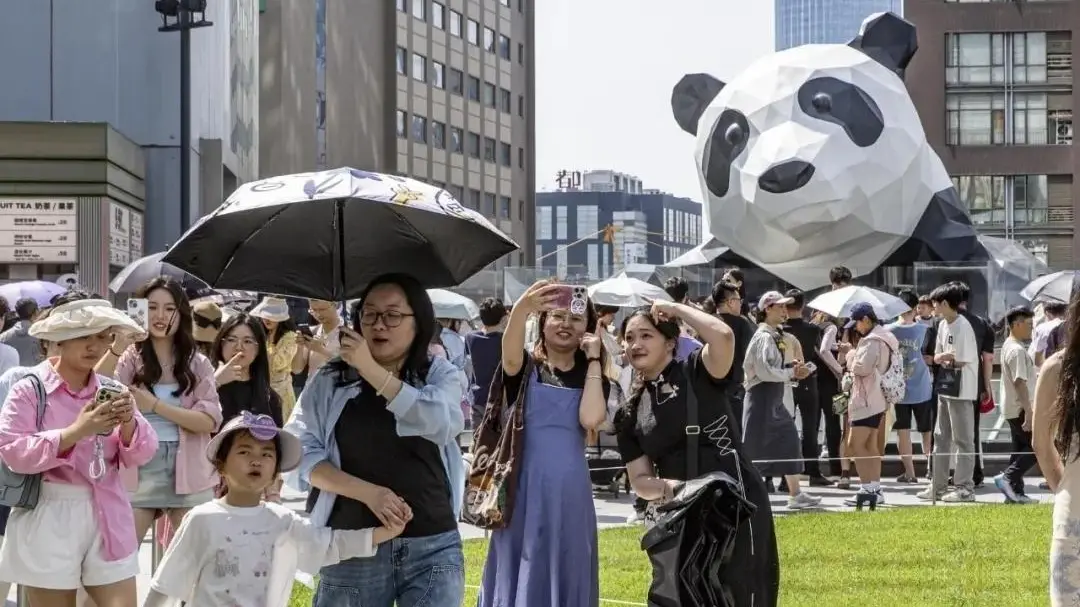
Every October, China’s week-long National Day holiday turns into the world’s largest annual migration. This year, official forecasts put total trips at around 2.13 billion, and the crowds did not stay home. But when the holiday wrapped up, the most surprising name on the map was not Chengdu, not Chongqing, and not any of the southern cities that have dominated social media for years. It was a cluster of old inland capitals that many younger travelers had once dismissed as dusty and dated.
Chengdu still drew its share. The famous panda base kept its long queues, and the downtown hotpot streets stayed packed. Yet hotel data told a different story: many visitors flew in, ate one meal, and left the next morning. The city was a stopover, not a destination. Meanwhile, places like Luoyang and Kaifeng in Henan province, and Datong in Shanxi, filled up with travelers who came specifically to stay.
What those cities offer is not novelty but depth. Luoyang was a capital for multiple dynasties and is home to the Longmen Grottoes, thousands of Buddhist carvings cut into limestone cliffs. Kaifeng preserves the memory of the Northern Song dynasty, and its night markets and recreated historic streets have become a draw in themselves. Datong, once a coal town, has rebuilt its ancient wall and restored temples that date back more than a thousand years.
The timing fits a wider shift. After years of packed 5A scenic areas, expressway jams and two-hour restaurant queues, many Chinese travelers have started planning differently. They split their trips across several smaller cities, travel just before or after the peak days, and book longer stays in one place instead of racing through a checklist. County-level towns and lesser-known historic sites have benefited most from this redistribution.
Henan province leaned into the trend. During the holiday, local tourism authorities promoted immersive experiences and live historical performances, letting visitors step into recreated scenes rather than simply look at exhibits. In Zhengzhou, cinemas experimented with combining film screenings and hotpot, and a single movie ticket could be exchanged for discounts at dozens of nearby restaurants. The idea was to turn one purchase into a whole evening of spending.
Nationally, the holiday box office passed 1 billion yuan including presales. Cities handed out film vouchers to lower the cost of going out, and a slate of new releases across mystery, comedy and animation gave families a reason to leave the house. The crossover between film and food, film and retail, film and travel is becoming a deliberate strategy rather than an accident.
The change is not only about taste. It is also about money and patience. Travelers who once chased the most photographed spots now say they want to feel something instead of queueing for it. Ancient architecture, local opera, night markets and slow mornings suit that mood. For cities that spent decades watching young people leave, the holiday season has become an unexpected second act.
None of this means the famous destinations are finished. Crowds still surge wherever a landmark is iconic enough. But the map of Chinese travel is broadening, and the winners this year were places that traded spectacle for story. For anyone planning a first trip to China, that is useful news: the country’s most memorable days may now be found a train ride away from its best-known cities.