A Chairman Cashed Out, Then Stepped Down at China's Xinke Materials
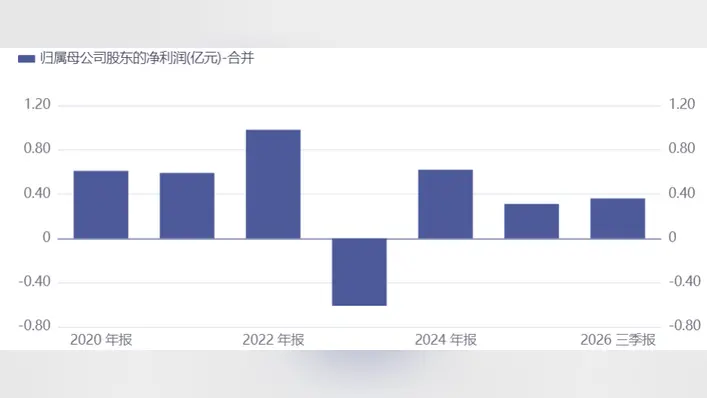
Xinke Materials, a state-controlled copper-products maker listed in Shanghai, became an unexpected talking point in Chinese markets this week after three disclosures landed in the same reporting window: its chairman stepped down ahead of schedule, the company swung to a third-quarter loss, and a well-known figure from the copper-processing industry appeared among its top ten shareholders.
The chairman’s exit drew the most attention because of its timing. According to the company’s filings, he had already sold a large block of shares during his tenure, cashing out close to 7 million yuan before announcing his early departure. For outside investors, a leader who reduces a personal stake and then leaves before his term ends is a signal worth reading carefully, even when the company offers no explanation beyond routine personnel arrangements.
The earnings picture did not help. Xinke reported a third-quarter result that flipped from profit to loss, a reversal that raises questions about pricing pressure in copper processing, where margins are thin and raw-material costs move with global metal prices. Copper has been one of the stronger industrial commodities of the past year, but strength in the metal does not automatically translate into profit for the companies that roll, draw and shape it.
The third thread is the shareholder list. A veteran of China’s copper-processing sector surfaced among the top ten holders, a detail that changed how some observers read the whole sequence. A figure with deep industry knowledge buying in while the chairman sells and the quarter turns red invites an obvious question: is this a distressed exit or the beginning of a strategic repositioning?
Xinke’s ownership structure adds another layer. As a state-controlled enterprise, major decisions about leadership and strategy involve more than a single boardroom. Chairman departures at such companies are often described as normal rotation, but the combination of a large personal share sale and a sudden loss makes the routine explanation harder to accept at face value.
For global readers, the episode is a small but useful window into how Chinese listed companies communicate. Filings are released in clusters, and material news sometimes arrives through separate announcements that only make sense when read together. Here, a personnel notice, a quarterly report and a shareholder roster each carry a piece of the story.
What happens next will depend on whether the new industry shareholder takes an active role, whether the loss proves to be a one-quarter dip tied to copper spreads, and whether the company names a permanent successor with a clear strategy. Until then, Xinke stands as a reminder that in copper processing, as in much of Chinese manufacturing, the balance sheet and the boardroom are rarely separate stories.
Investors watching the sector will want to see the next quarterly filing and any disclosure about the new shareholder’s intentions. Those two documents, more than any commentary, will show whether this was a routine handover or something more consequential for a company at the center of China’s copper supply chain.