China's Smart-Driving Suppliers Find That More Deals Mean Thinner Profits
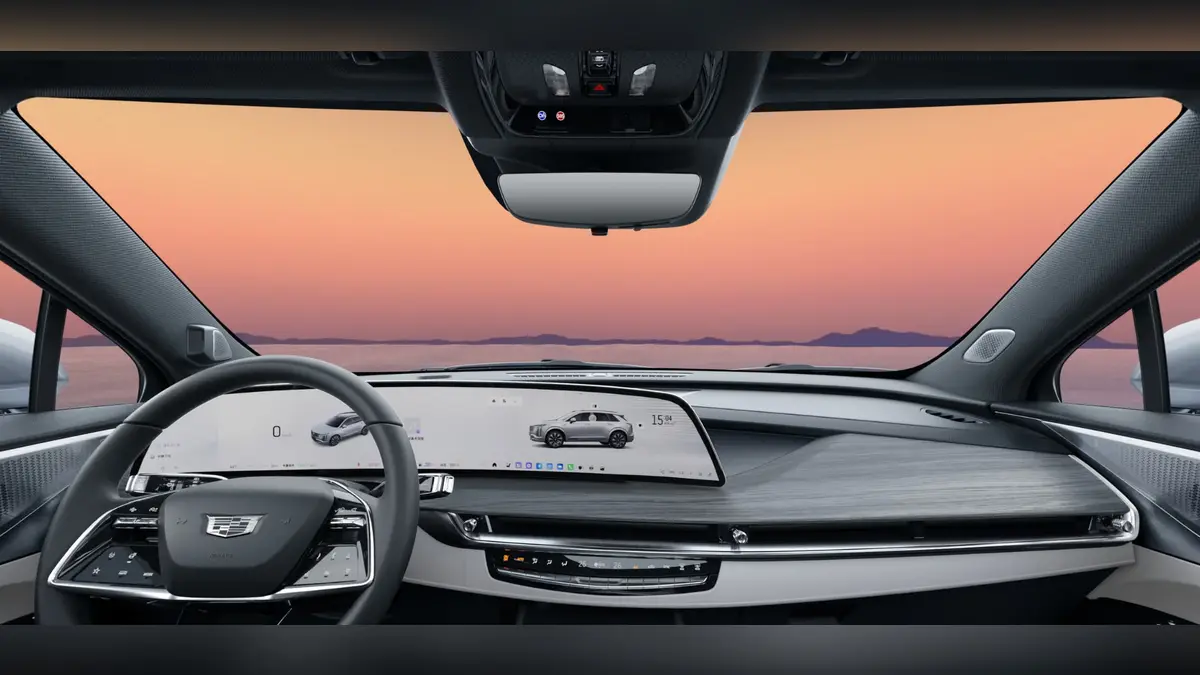
China’s assisted-driving industry has a paradox at its heart: the more cars that ship with smart-driving systems, the harder it seems to be for the companies supplying that technology to make money. A report on the sector, built around the production experience of supplier Tianzhu Vision, describes a market where automaker contracts keep multiplying while supplier margins stay under pressure.
The first force is price. Chinese automakers have spent the past few years in a brutal price war, and they have pushed much of that pressure down the supply chain. A smart-driving system that once commanded a healthy premium is now often negotiated as a commodity line item, with carmakers demanding lower unit prices in exchange for the volume of a production program. Winning a contract is no longer the same as winning a profitable one.
The second force is the shape of the deals themselves. A production nomination, the industry’s term for a carmaker choosing a supplier for a specific model, is a milestone but not a guarantee. Volumes depend on how well the finished car sells, and a model that misses its targets can leave a supplier holding engineering costs it may never recover. Suppliers that invest heavily in custom development for each customer carry that risk on their books.
The third force is competition from above and below. Large automakers are increasingly building smart-driving software in-house, while Huawei and other technology giants offer full-stack systems that smaller carmakers can adopt without developing their own. That squeezes the space for independent suppliers in the middle, who must prove they add something the carmaker cannot easily do itself.
Tianzhu Vision’s answer has been to keep pushing production scale and to broaden the range of vehicles its systems reach. That is a common strategy in this market: spread fixed costs across more programs, and hope that volume eventually outruns the price cuts. It is a bet that the winners will be the suppliers who survive long enough for the market to consolidate.
For global readers, the lesson is that China’s smart-car boom is not automatically a boom for every company in the chain. The country’s electric-vehicle market is the world’s largest, and assisted driving has become a standard selling point even on mid-priced models. But the value created by that shift is being captured unevenly, with carmakers and a handful of large technology platforms holding much of the bargaining power.
The next phase will likely be decided by consolidation and by software. Suppliers that can sell recurring services, over-the-air updates and data-driven features may find steadier revenue than those that only sell hardware per car. Those that cannot may keep winning contracts while watching their margins shrink. The production numbers will keep rising; the question is who gets paid.