Zero-Gravity Seats in Moving Cars Face a Safety Reckoning
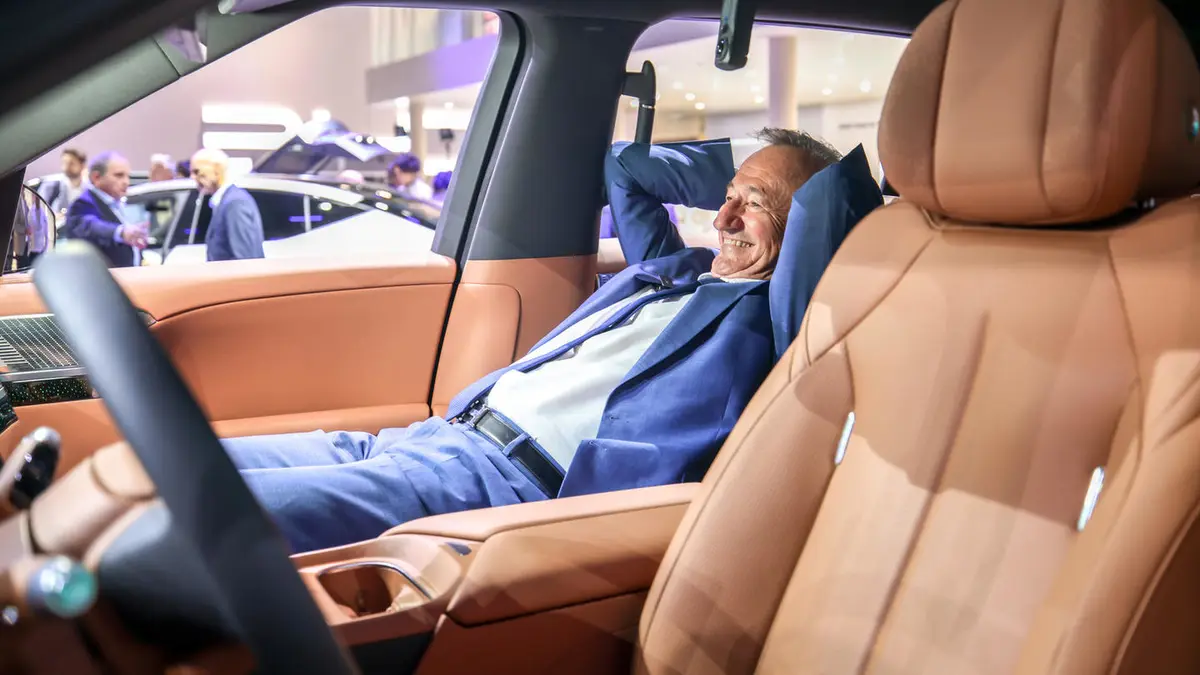
Zero-gravity seats have become a showroom staple in China’s electric vehicles, sold with images of drivers reclining as if floating, watching clouds through a panoramic roof. But the same seats often carry a line buried in the owner’s manual: not recommended for use while the vehicle is moving. That contradiction is now the target of a new regulatory push.
On October 10, 2026, four government departments, including the industry ministry, issued a notice requiring automakers to use technical means to restrict how such seats can be used, so they cannot be deployed while a car is in motion. The rule shifts responsibility from a warning in small print to software and hardware that enforce limits automatically.
The problem is not the seat itself but the way it is marketed. Advertisements invite buyers to lie back and relax; the manual quietly withdraws that invitation once the wheels turn. In a crash, a reclined occupant can slide under the seatbelt, and the posture leaves little protection. The safety bill for that gap has so far been paid by consumers, not by the companies that promoted the feature.
The notice is part of a broader effort to regulate smart-cabin features that blur the line between parked relaxation and driving. As cars add massage functions, large screens and lounge-style layouts, regulators are asking which features must be locked out when the vehicle is moving. The answer will shape how automakers design and advertise interiors.
For Chinese automakers, the change is another test of how quickly they can turn marketing language into engineering rules. Companies that already tie seat functions to vehicle speed will have an easier transition; those that rely on owner discipline will need software updates or hardware changes. The notice does not spell out penalties, but it sets an expectation that safety cannot be an optional setting.
Zero-gravity seats borrow their name from the neutral posture astronauts use, with the back and knees angled to spread body weight. On the road, that comfort depends on conditions the seat cannot control. The new requirement effectively says the feature belongs to parked moments, not to the commute.
The story also reflects a wider pattern in China’s EV market, where cabins have become a battleground for differentiation. Screens, fridges and reclining seats sell cars, but each adds a new way for drivers to misuse a vehicle. Regulators are now moving faster to define the boundaries, and automakers that treat safety as a software feature rather than a disclaimer may find the next round of competition less forgiving.
What remains to be seen is how strictly the rule is enforced and whether advertising changes alongside the engineering. For now, the message is simple: a seat that invites you to lie back should know whether the car is moving.