China's Hybrid Car Boom in Europe Hits a New Speed Bump
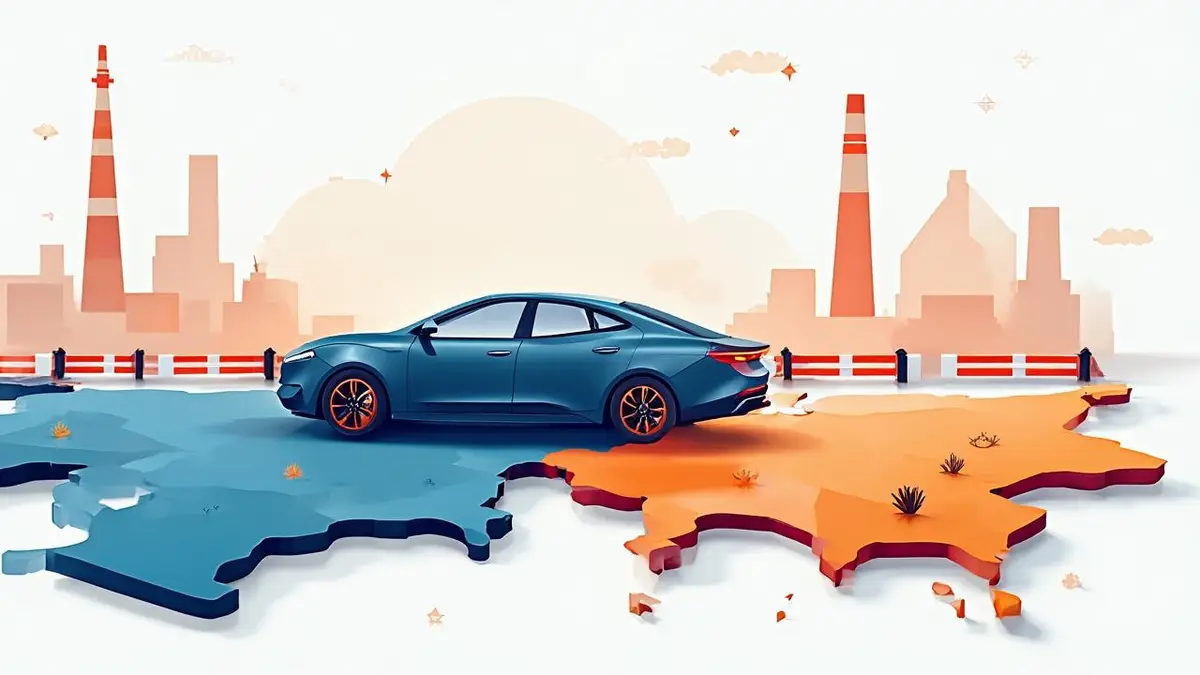
For the past two years, Chinese automakers found a quiet loophole in Europe. While fully electric vehicles faced escalating tariffs, plug-in hybrids and other partially electrified models slipped through with far lighter duties. That gap helped brands like BYD and MG post startling sales gains across the continent. Now Brussels and Beijing appear to be closing it.
On October 9, the second meeting of the China-EU trade and investment consultation mechanism wrapped up in Beijing. In a joint statement, both sides said that after intensive talks they had reached an understanding on hybrid vehicle trade “in a manner consistent with World Trade Organization rules.” The statement did not spell out what that understanding actually contains, and neither side has published detailed enforcement rules.
What is clear is the direction of travel. For Chinese carmakers, the era of opening the European market purely by shipping more cars may be coming to an end. Export volume alone will no longer be enough to carry growth in the world’s second-largest auto market.
The numbers explain why Europe matters so much. China has become the world’s largest auto exporter, and Europe is one of its most profitable destinations, where vehicles sell at far higher margins than at home. Hybrids became the wedge: they are cheaper to build than full EVs, need less charging infrastructure, and appeal to European buyers who are not ready to go fully electric. That combination made them an unexpected success story.
But success invited scrutiny. European officials have argued that Chinese hybrids benefit from subsidies and favorable industrial policy, undercutting local manufacturers. The new understanding suggests both sides want to manage the friction rather than let it spiral into a full trade war, especially as Europe’s own automakers struggle with weaker demand and costly electrification plans.
For Chinese companies, the practical response is already visible. Several have announced plans to build factories in Europe, including in Hungary, Spain and beyond, to produce locally and sidestep trade barriers. Others are expanding into Southeast Asia, Latin America and the Middle East. The logic is simple: if you cannot export your way in, you build your way in.
That shift is expensive and slow. Factories take years, require local suppliers and face their own political and labor pressures. Smaller Chinese brands without the capital to build abroad may find themselves squeezed out of Europe entirely, consolidating the market around a handful of large players.
For European consumers, the near-term effect is harder to predict. If tariffs or quotas raise the price of Chinese hybrids, buyers may delay purchases or turn to used cars. If Chinese firms localize production quickly, prices could stay competitive. Much depends on details that have not yet been written.
What the October statement really signals is a maturing relationship. The first phase of China’s auto export boom was about speed and price. The next phase will be about factories, partnerships and rules. Chinese automakers have proven they can sell cars in Europe. Now they have to prove they can stay there.