Jet Li at 63: No Tombstone, No Funeral, Just a Simple Goodbye
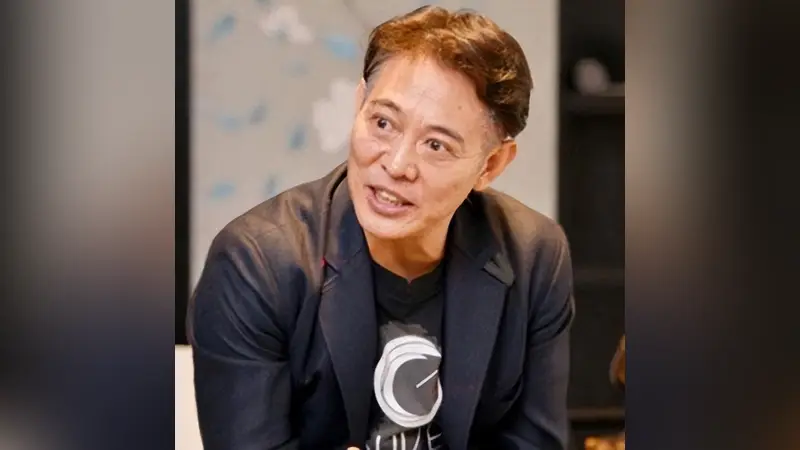
Jet Li, the martial-arts star who spent two decades kicking his way through Hong Kong and Hollywood action films, has already planned his own exit. In a widely shared Chinese entertainment piece, the 63-year-old actor is described as having told his wife, former actress Li Zhi, that he wants nothing elaborate: no headstone, no funeral, and either a tree burial or a sea burial, whichever is simplest.
The detail that gives the story its weight is not the instruction itself but who is giving it. Li was, for a generation of viewers, the “kung fu emperor” — the boyish fighter of the Once Upon a Time in China series and the poised assassin of Hero and Fearless. The article describes him now as grey-haired and noticeably thinner, a man who talks about death the way other people talk about a dentist appointment.
That calm is presented as hard-won. The piece says Li has come close to dying more than once, and that those brushes are what let him settle the question of his own ending early rather than leave it to others. It is a familiar arc in Chinese celebrity coverage: the action hero whose body pays for the stunts, then spends the second half of life negotiating with it.
The timing of the discussion is tied to a book. In November 2023, Li published a memoir titled Beyond Life and Death, and the article links his public reflections on mortality to that promotional period. Framing final arrangements as a book-adjacent conversation is a very Chinese way of turning a private family matter into a public statement about how to face the end.
The choice of burial method carries its own cultural charge. In much of China, a marked grave and a proper funeral remain the default expectation, and family members can face social pressure to provide both. Li’s preference for tree or sea burial — forms that leave no fixed site to visit — quietly pushes against that norm, though the article presents it less as a manifesto than as one man’s preference.
Li Zhi, his wife of many years, is named as the person who received the instructions directly. The article does not describe her reaction, and it avoids the speculation about health that has followed Li for years, focusing instead on the arrangements themselves. That restraint is notable in a genre that usually prefers drama.
For global readers, the appeal is the contrast between the on-screen invincibility and the off-screen practicality. A star whose characters rarely lost a fight is shown planning the least dramatic possible ending, and asking that no stone be left to mark it. Whether the memoir’s themes or the actor’s health drive the next round of attention, the image that lingers is of a man who has decided that being remembered does not require a monument.