A $2 Million Dialect Film That Turned a City's Heritage Into an Asset
A small film made for about 14 million yuan (roughly $2 million) opened with just 1.6 percent of screenings on its first day. Within weeks, “A Letter to Grandma” had become one of the most talked-about releases in China, not because of star power or marketing budgets, but because it touched a nerve in the Chaoshan region of eastern Guangdong and among the overseas Chinese diaspora that traces roots there.
The film is built around qiaopi, the remittance letters that Chaoshan emigrants sent home from Southeast Asia during the 19th and 20th centuries. These letters carried money, but also news, blessings and the quiet grief of separation. The story follows families who left for Nanyang, the old Chinese term for Southeast Asia, to earn a living and send word back. For many viewers, it was the first time this history had appeared on a cinema screen.
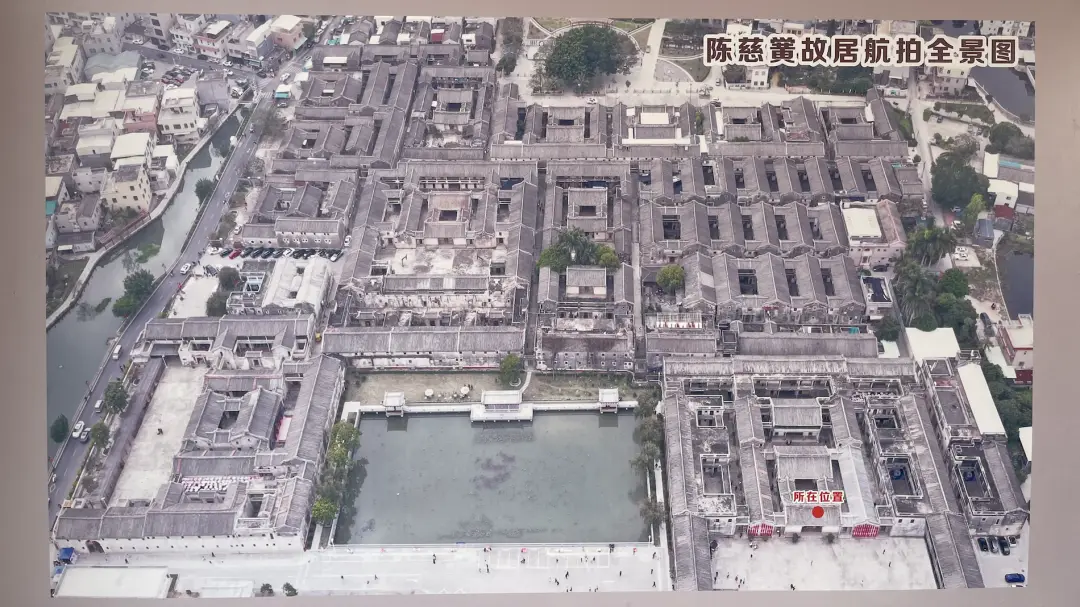
The response went far beyond ticket sales. The Shantou Qiaopi Museum put matching original letters on display, and visitors began turning up to see the physical documents behind the film. Locations used in the movie, including Shantou’s Xiaogongyuan area, the Chen Cihong Residence in Chenghai, old villages in Chaozhou and the historic center of Jieyang, quickly became photo spots for tourists.
What makes the case interesting is the arithmetic. A modest production budget, a dialect most of China does not speak, and almost no initial screens would normally add up to a quiet release. Instead, the film found an audience through word of mouth and through a sense of recognition among people whose families had once posted those letters. The movie did not just sell tickets; it made a regional identity visible and visitable.
City officials and local businesses noticed. Heritage sites saw more foot traffic, and qiaopi culture moved from museum archives into everyday conversation. The film effectively turned a piece of intangible heritage into something closer to an asset, one that can attract travelers, support local commerce and give younger residents a reason to care about documents their grandparents might have kept in a drawer.
That shift is not automatic. Plenty of films are shot on location without leaving any lasting trace. What seems to have mattered here is timing and authenticity: the story was specific to Chaoshan, told in its own language, and backed by real artifacts and real places that audiences could then go and see for themselves. The movie and the region reinforced each other.
For other cities watching, the lesson is not that every place needs a film. It is that cultural heritage becomes valuable when it is connected to a human story people can feel. A qiaopi letter is, after all, just paper. Framed as a mother waiting for word from a son across the sea, it becomes something a stranger will buy a ticket to understand.
Whether the momentum lasts will depend on whether Shantou and its neighbors keep investing in the sites, museums and storytelling that drew people in. But for now, a 14-million-yuan dialect film has done what much larger productions often fail to do: it made a place matter to people who had never been there.