Germany Shutters a Factory While Importing 175,000 Chinese Cars
On the banks of the Elbe River in Dresden stands a building made almost entirely of glass. Passersby on the opposite bank could watch a car take shape piece by piece, from bare parts to a finished vehicle. Volkswagen opened the transparent factory in 1999 at a reported cost of 187 million euros, and it became a calling card: customers picked their specifications on site and watched their Phaetons roll together as if the whole plant had been placed inside an exhibition hall.
That era is ending. Volkswagen has decided to shut the Dresden site, a symbolic retreat for a company that once treated German engineering as its global selling point. The closure is not a single factory’s problem but a marker of a wider shift: Germany, the birthplace of the modern automobile, is retrenching at home while its drivers buy more cars built in China.
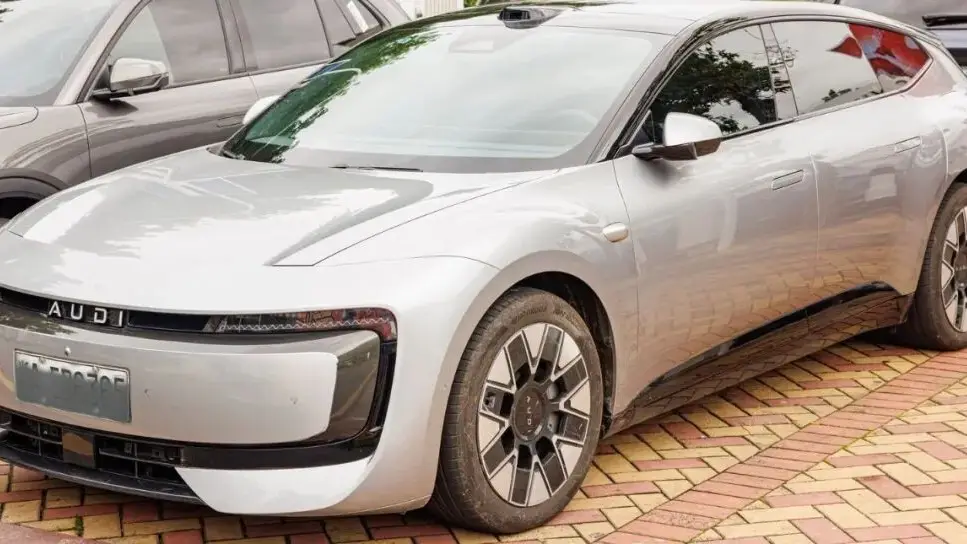
The numbers tell the story. Germany imported roughly 175,000 new vehicles made in China, a figure that would have seemed implausible a decade ago. Chinese brands and China-built models from established automakers have moved from curiosity to mainstream in European showrooms, helped by competitive pricing and rapid progress in electric vehicles.
The irony is sharp. For decades, German automakers treated China as a manufacturing base and a fast-growing market, building joint ventures and local plants to serve Chinese buyers. Now the flow runs both ways. Cars assembled in China are shipped back to Europe, including to Germany itself, where buyers compare them against locally built rivals on price, range and software.
Several forces pushed the Dresden plant toward closure. Utilization at the site was low, and the high-end sedans it specialized in have fallen out of fashion as buyers shift toward SUVs and battery-powered models. Volkswagen, like other legacy manufacturers, is spending heavily on electric platforms while managing softer demand in Europe. Keeping a low-volume, high-cost showcase alive made little financial sense.
The broader German industry faces the same squeeze. Energy costs, labor costs and the expensive transition to electric drivetrains have compressed margins just as Chinese competitors scale up. Some German executives now talk openly about learning from Chinese speed in development and cost control, a reversal of the mentoring relationship that defined the industry for a generation.
For global readers, the lesson is not that one country wins and another loses. It is that the auto industry’s center of gravity is moving faster than its symbols can follow. A glass factory on the Elbe was built to show customers how cars are made. Its closing shows them something else: how quickly the map of who builds cars, and who buys them, can be redrawn.
Chinese automakers, meanwhile, are expanding abroad not only through exports but through local plants and partnerships, aiming to be seen as insiders in the markets they enter. That strategy will be tested by tariffs, regulation and consumer trust. But the direction is clear. The question for Germany is whether it can reinvent its manufacturing base for an electric, software-defined era, and for China whether it can turn volume into lasting brand value.