Guizhou's Mountain Tourism Summit Marks Ten Years of Building an Industry
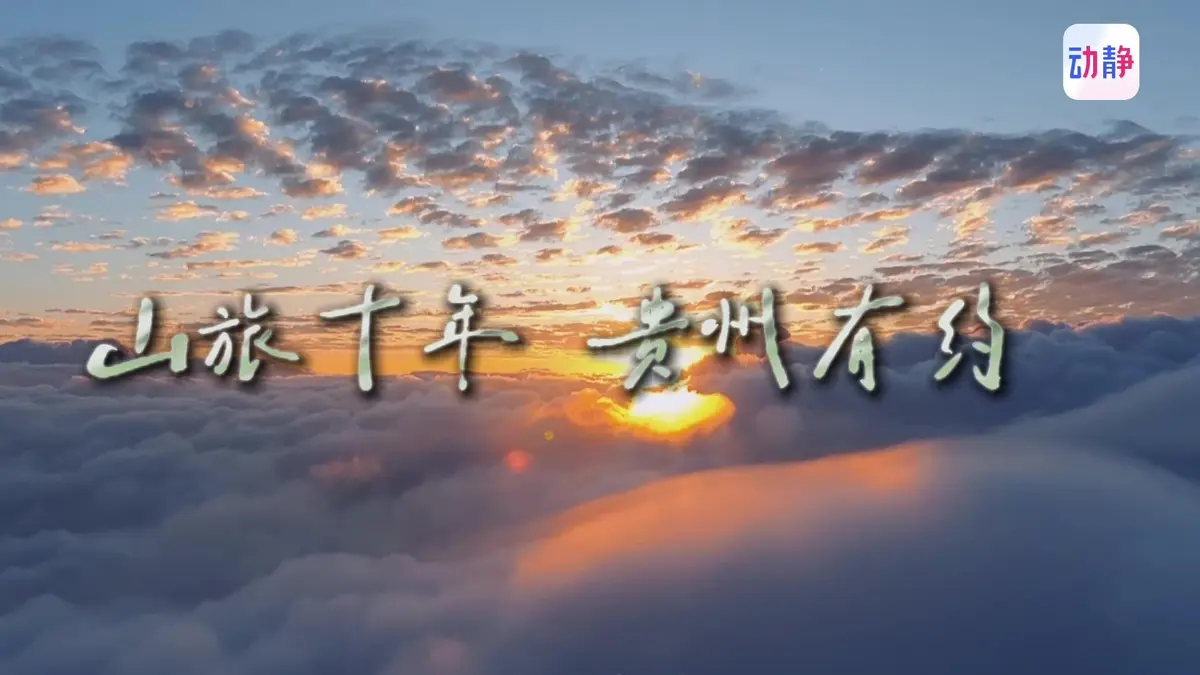
Guizhou, the southwestern Chinese province known for limestone peaks, deep gorges and a cool summer climate, opens the 10th International Mountain Tourism and Outdoor Sports Conference on November 8. The four-day gathering runs through November 11 in Qianxinan, an autonomous prefecture in the province’s southwest that is home to the Maling River Gorge and the karst formations around Wanfenglin, a landscape of conical hills that draws hikers and photographers.
The event is a decade old, and its organizers are framing this edition as a stock-taking rather than a debut. Over ten years, they say, the province has worked on industry standards for mountain tourism, pushed a wider range of outdoor activities into the market, and tried to convert its natural scenery into income that stays in the region. That last point is the harder one, and it is why the conference keeps returning to it.
Mountain tourism is an awkward business to industrialize. Trails, cable cars, viewing platforms and visitor centers are expensive and visible; safety rules, rescue capacity and waste management are cheaper but invisible, and they are what separates a scenic spot that survives a busy season from one that makes the news. Standardization is the unglamorous middle layer, and Guizhou has spent the decade building it.
The province has advantages that money cannot buy. Its karst geology gives it cliffs, caves and waterfalls within a few hours’ drive of one another, and its elevation keeps summer temperatures mild, which matters in a country where many cities now endure punishing heat. Better roads and high-speed rail have shortened the journey from major cities, and the province has leaned on both to reach travelers who once flew straight past it to Yunnan.
The conference also matters as a signal for how China’s domestic travel market is maturing. After years in which a single viral video could fill a town for a weekend, provincial tourism authorities have shifted toward repeatable products: marked routes, guided climbs, rafting seasons, camping grounds with plumbing. Mountain tourism fits that shift because it is seasonal, weather-dependent and hard to fake, and because it attracts younger travelers who want to do something rather than photograph something.
For Qianxinan, hosting the event is a chance to be seen as more than a stop on the way to somewhere else. The prefecture combines the Maling River Gorge, one of the country’s better-known rafting and hiking areas, with villages of the Bouyei and Miao ethnic groups, whose textiles and festivals are part of the regional draw. Whether visitors stay an extra night is the metric that matters.
The decade-long pitch has a simple logic behind it: mountains are not a resource you can exhaust if you manage them well. The question the next ten years will answer is whether the standards, the safety record and the local share of the money keep pace with the number of people arriving.
A ten-year anniversary is an easy occasion for a summit. It is also a natural moment to ask what the attendees will measure. The province says it has been converting scenery into development gains; the guests this week are being invited to see the results for themselves, on foot and on the water.