Memory Prices Are Squeezing China's Small Phone Brands Out
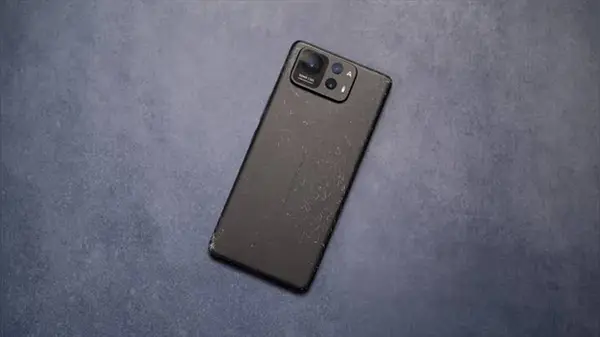
The global memory market is in the middle of a price surge, and the first casualties are not the giants. According to Chinese tech outlet Kuai Technology, the sustained rise in memory prices is delivering a fresh shock to the worldwide phone industry, and the pressure falls hardest on brands with the least room to absorb it.
The mechanism is straightforward. As demand for AI servers keeps climbing, memory manufacturers are shifting more of their production capacity toward high-margin server DRAM and HBM, the stacked high-bandwidth memory that AI accelerators depend on. Ordinary phone DRAM gets whatever capacity is left, and the cost of buying it has risen sharply. For companies that sell phones on thin margins, that is not a rounding error — it is the difference between a product line and a write-off.
The clearest warning sign came earlier this year. In February, Meizu announced a strategic pivot, suspending in-house development of new phone hardware in China and instead seeking third-party hardware partners. Meizu framed the move around intensifying competition in the phone market, and the company’s arc — growth, a bright stretch, a turn, then decline — has become something of a cautionary tale for smaller players.
What makes this cycle different is where the demand is coming from. Previous memory upswings were driven by phones, PCs or crypto-adjacent hardware, and they tended to correct when consumer sales cooled. This one is anchored in data centers built for artificial intelligence, a buyer with deep pockets and multi-year build plans. That gives memory makers little reason to rush capacity back toward consumer devices.
The big Chinese brands can still cope. Companies with large volumes, diversified product lines and their own silicon or long-term supply agreements can lock in allocation and pass some cost through. Sub-brands and niche players that order in smaller batches have far less leverage, and their negotiating position weakens precisely when they need it most.
The knock-on effects reach beyond handset makers. Memory is one of the largest cost components in a phone, so a sustained squeeze tends to show up as higher launch prices, reduced storage tiers at the same price point, or both. Consumers who have grown used to cheap, generously specced Chinese phones may find that value curve flattening.
There is also a strategic question for the industry’s smaller names. If the components inside a phone cost almost as much as the phone can be sold for, the argument for staying in the business weakens. Some will follow Meizu toward partnerships, licensing or a retreat into accessories and software; others will try to hold on and hope the cycle turns.
For global buyers, the story is a reminder that the AI buildout is not a purely digital phenomenon. The same capacity shift that powers server racks in data centers quietly raises the floor cost of the device in your pocket — and it is the smallest players, not the largest, who feel the floor first. Watch whether more Chinese handset brands announce hardware pullbacks or partner deals in the coming months.