Hong Kong's Rosewood Hotel Named World's Best for a Second Year
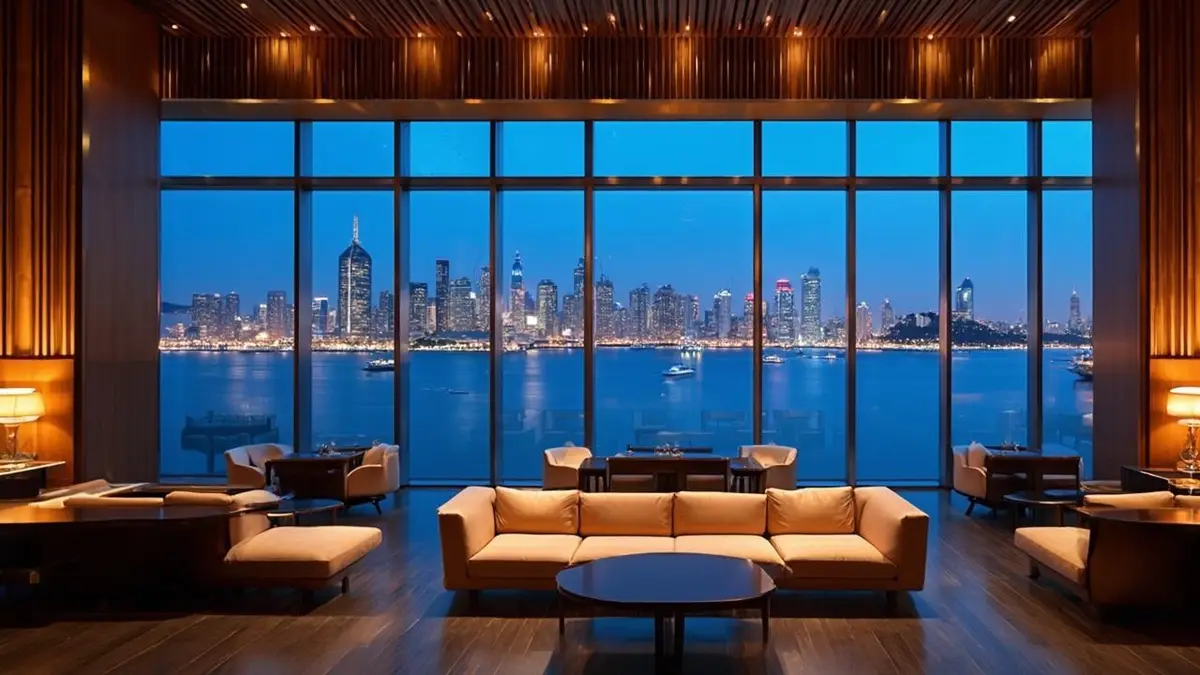
Paris hosted the reveal of the 2026 edition of the world’s most closely watched hotel ranking on September 16, and for the second year running the top prize went to a property on Victoria Harbour. Rosewood Hong Kong, which opened in 2019 inside the Victoria Dockside complex, retained first place in the list formerly known as the World’s 50 Best Hotels, now rebranded simply as The 50.
The hotel is the work of interior designer Tony Chi, who filled its 413 rooms and 186 residences with dark wood, brass and sweeping harbour views. Judges and travellers consistently single out its service and its position: guests can walk to the Museum of Art, the Star Ferry and the Tsim Sha Tsui promenade, while the building itself has become a backdrop for the city’s skyline. Taking the top spot twice is rare in a ranking that reshuffles heavily each year, and it cements Hong Kong’s reputation as a luxury hospitality capital rather than just a stopover.
That result is only one signal of a broader shift across Greater China. Hilton said this month that its hotels in mainland China now reach 300 destinations, with more than 1,100 properties open across every provincial-level region, all first- and second-tier cities and nearly 70 percent of prefecture-level cities. Its select-service brands alone now reach close to 40 percent of counties popular with domestic travellers. In other words, the international hotel map of China is no longer just Beijing, Shanghai and a handful of resort towns; it runs through smaller cities where newly affluent weekenders are looking for reliable, familiar standards.
New openings reflect the same appetite for place rather than sameness. In Wuxi, a city in Jiangsu province known for its canals and gardens, the Curio Collection by Hilton has just opened inside a restored 1933 residence on East Street, pairing brick-and-timber heritage with contemporary rooms. It is the brand’s first property in Jiangsu, and its designers describe the concept as old and new living together.
Shangri-La is meanwhile expanding its upper-tier Signatures line. A second Signatures hotel, Songtei Kyoto, is due to welcome its first guests in late 2026 ahead of a full opening in early 2027, following the brand’s debut in Hangzhou. The group describes Signatures as hotels placed in culturally rich destinations, with design and service tailored to their surroundings rather than standardised.
Macau is also deepening its offer. The Parisian Macao marked ten years since its September 2016 opening, having hosted more than 100 million visits. Its half-scale Eiffel Tower remains the centrepiece, but the resort is now leaning on themed experiences, celebrity-chef dining and large-scale light and drone shows. This autumn it is running a Little Prince-themed journey through October 11, an example of how casino resorts in the city are competing for families and culture-minded tourists, not only gamblers.
Elsewhere, Banyan Group announced a strategic partnership with Newmark Hotels Reserves, moving to acquire a majority stake in stages and eventually full ownership. The deal would extend Banyan’s footprint into seven African countries, a reminder that Asian hospitality groups are now buyers on the global stage, not just operators at home.
For travellers, the through-line is choice. A weekend in a restored Wuxi courtyard house, a design pilgrimage to Hong Kong, or a themed family break in Macau are increasingly easy to book, and increasingly Chinese in ownership and taste. The world’s best hotel may sit on Victoria Harbour, but the industry’s next chapter is being written across the whole region.