Ancient Water Towns: China's Timeless Waterways
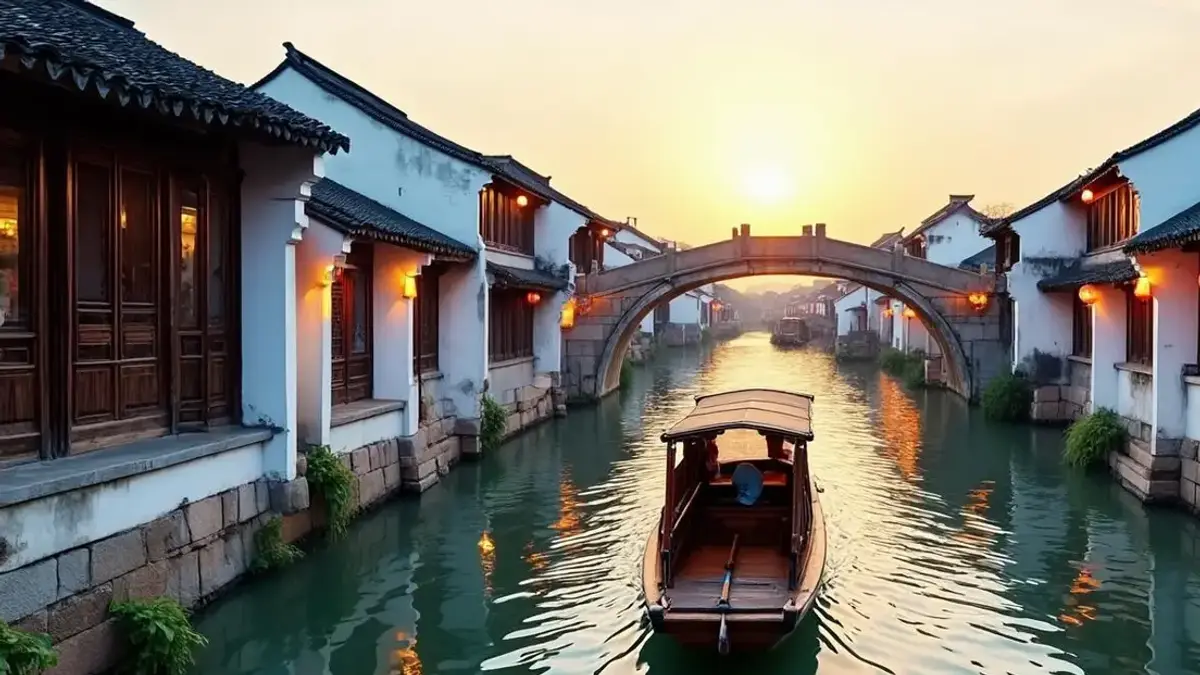
Nestled among the lush landscapes of southern China, ancient water towns offer a glimpse into a bygone era where waterways served as streets and life moved at a slower pace. These historic settlements, with their distinctive architecture and rich cultural heritage, provide visitors with an authentic experience of traditional Chinese life while remaining easily accessible from modern urban centers like Shanghai and Suzhou.
The most famous of these water towns is Zhouzhuang, often referred to as the ‘Venice of the East’ with its network of canals, stone bridges, and well-preserved Ming and Qing dynasty buildings. Dating back over 900 years, Zhouzhuang attracts millions of visitors annually who come to cruise its waterways in traditional wooden boats, wander through its narrow alleyways, and admire landmarks like the Double Bridges and the Zhang Family’s Former Residence.
Tongli, another gem among China’s water towns, offers a more intimate experience with its seven distinct islands connected by stone bridges. Unlike some of the more commercialized destinations, Tongli maintains a delicate balance between tourism and preserving its authentic atmosphere. Visitors can explore the Retreat and Reflection Garden, stroll along the Pingjiang Road, and discover the town’s numerous private museums housed in historic residences.
What makes these water towns particularly fascinating is their living cultural heritage. Local residents continue their traditional lifestyles alongside tourism activities, often seen washing vegetables in the canals, fishing from wooden boats, or crafting silk products using age-old techniques. The towns’ unique architecture, featuring white-washed walls, black-tiled roofs, and intricate wooden carvings, reflects the wisdom of ancient Chinese urban planning adapted to water-based transportation.
Modern amenities have thoughtfully been integrated into these historic settings, ensuring comfortable stays without compromising the towns’ character. Many water towns now boutique hotels, traditional guesthouses, and quality restaurants serving both local specialties and international cuisine. Visitors can participate in various cultural activities, including silk-making demonstrations, traditional cooking classes, and boat performances featuring local folk songs.
The best time to visit China’s water towns is during spring (March-May) or autumn (September-November) when the weather is pleasant and the scenery is particularly beautiful. While day trips are popular, staying overnight offers a more magical experience as the crowds disperse and the towns reveal their tranquil evening atmosphere with lanterns reflecting on the waterways.
For travelers seeking to experience China’s rich cultural heritage beyond the bustling metropolises, these water towns provide a perfect blend of history, natural beauty, and authentic cultural experiences. They represent not just tourist destinations, but living museums where ancient traditions continue to thrive in the modern world.