Michelin's New Hotel Keys: Two Chinese Stays Reach Three Stars
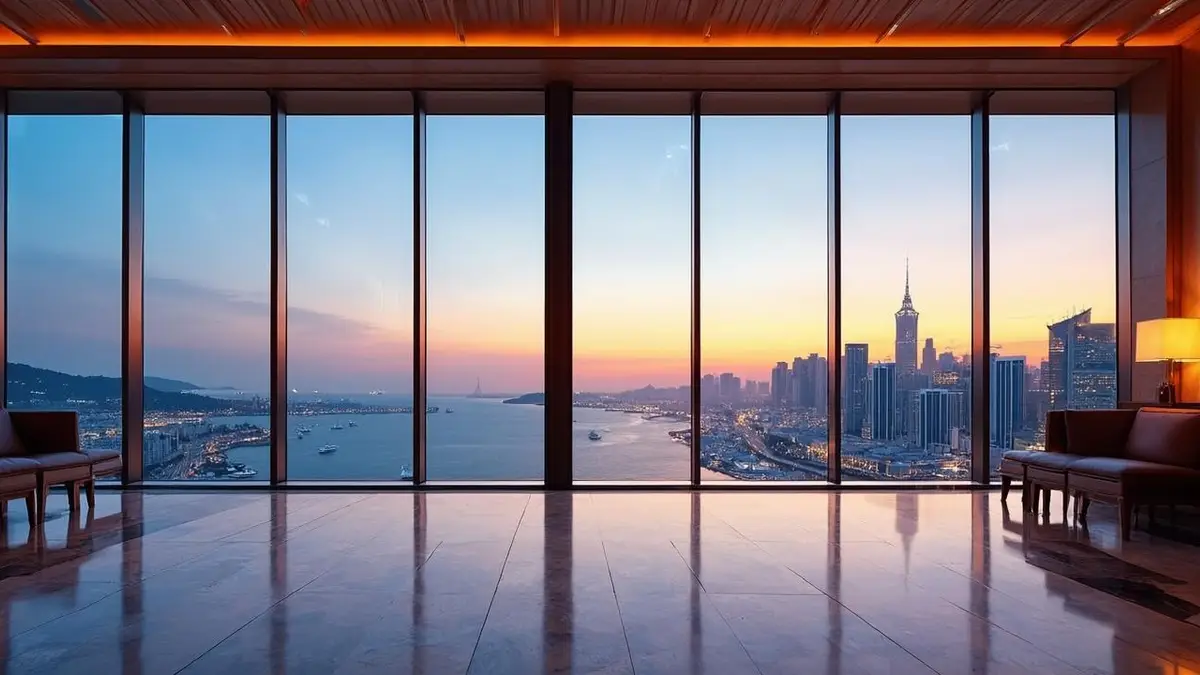
Michelin is best known for its restaurant stars, but since 2024 the French guide has been handing out “Keys” to hotels, and its 2026 list, released in recent days, shows Chinese hospitality moving steadily up the ranking. The global selection now covers 79 destinations and rates 2,832 hotels, split into one, two and three Keys. Two properties in China were promoted to the top tier this year, joining the small group of hotels the guide considers worth a special journey in themselves.
Holding three Keys from last year are the Rosewood Hong Kong, which overlooks Victoria Harbour, and the Ritz-Carlton Reserve in Jiuzhaigou, a forested valley in Sichuan province famed for its turquoise lakes and waterfalls. Alongside them, several Chinese hotels stepped up a level: nine new two-Key properties and eighteen new one-Key hotels were added across the country. For travelers unfamiliar with the system, the analogy is simple — a Key is to a hotel roughly what a star is to a restaurant, awarded for design, service, sense of place and overall experience rather than sheer luxury alone.
The timing is notable because China’s high-end travel market has been expanding quickly. International groups have spent the past decade pushing beyond the biggest cities into smaller destinations, and domestic travelers have become more demanding about design, food and local character. A Michelin Key, like a Michelin star, can shift bookings and justify higher room rates, so hoteliers watch the list closely.
The same week brought other signals of how competitive the sector has become. The 2026 edition of the World’s 50 Best Hotels, now rebranded simply as “The 50,” was announced in Paris, and the Rosewood Hong Kong again took first place globally — the second year running that a Chinese city has topped the list. Set beside the Michelin results, it suggests that Hong Kong in particular has become one of the world’s most closely watched luxury hotel cities.
Elsewhere, Hilton said its properties in Greater China now reach 300 destinations, with more than 1,100 hotels operating across every provincial-level region and nearly 70 percent of prefecture-level cities. The company noted that its select-service brands, which are more affordable than full luxury flagships, now appear in close to 40 percent of China’s stronger county-level tourism destinations — a sign that leisure travel is spreading well beyond the traditional gateways of Beijing, Shanghai and Guangzhou.
Hotel groups are also courting travelers with culture rather than just comfort. In Macau, the Parisian Macao marked its tenth anniversary with a Little Prince-themed experience, celebrity-chef dining and large-scale light shows, extending the resort’s appeal beyond gaming and shopping. Capella Hotel Group’s president, Roland Fasel, used his first trip since taking the job to tour Sanya, Beijing, Tianjin, Nanjing and Shanghai, saying luxury hospitality now has to tell a destination’s story rather than simply provide a beautiful room.
For international visitors planning a China trip, the practical takeaway is that the country’s high-end hotel map is widening. Three-Key stays remain rare and concentrated in Hong Kong and a handful of scenic resorts, but two- and one-Key options are multiplying in second-tier cities and rural destinations alike. Booking early is still wise for the celebrated names, especially around holidays — and checking whether a hotel’s local restaurant, spa or guided excursions live up to its Key is now part of the fun.