Bioware's Closure Ends an Era as EA Cuts 400 Jobs
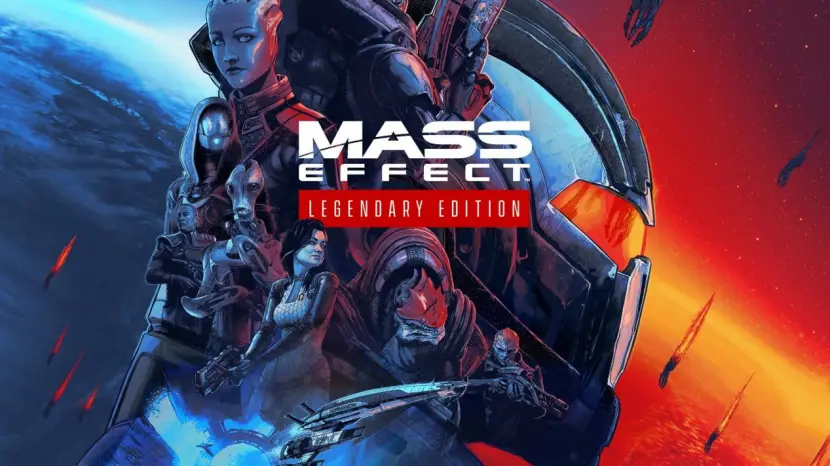
Electronic Arts said on October 21 that it will close Bioware, the studio it has owned since 2007, and cancel the next Mass Effect, which was still in early development. The move is part of a wider EA restructuring that cuts roughly 400 positions, including the last 50 or so people still working at Bioware. For players, the news landed less like a corporate reshuffle than like the final page of a long book.
Bioware’s reputation was built in the late 1990s and 2000s on a run of role-playing games that many players treat as landmarks: Baldur’s Gate, Neverwinter Nights, Star Wars: Knights of the Old Republic, Jade Empire, Mass Effect and Dragon Age. The studio made its name by pairing deep party-based combat with characters players wanted to argue with, romance and mourn. That formula helped turn the Western RPG from a niche pursuit into a mainstream genre, and it gave EA a stable of story-driven franchises that sold across consoles and PC.
The years after EA’s acquisition were harder. Mass Effect: Andromeda arrived in 2017 to a mixed reception, and Anthem, a live-service experiment, failed to hold an audience. Dragon Age: The Veilguard, released in 2024, was well received by critics but did not meet the commercial expectations of a large publisher. Each swing at a new model — multiplayer, games as a service, smaller teams — left the studio further from the focused single-player craft that had made it famous.
The timing is telling. EA is preparing to be taken private in a deal that would rank among the largest buyouts on record, and cost discipline is the order of the day. Studios with long development cycles and uncertain returns are the easiest targets. Bioware’s last 50 employees are a small slice of the 400 cuts, but they represent the end of a name that once anchored EA’s premium portfolio.
Fans reacted with a mix of grief and resignation. Many swapped memories of specific missions, companions and endings, and a few pointed out that the studio’s best-known games are still playable, still modded and still recommended to newcomers. The closure does not erase the work; it ends the possibility of more of it from the same team. The cancelled Mass Effect is the sharper loss, because it was the one project that might have restored the studio’s standing.
For the wider industry, the shutdown fits a pattern. Large publishers are consolidating, cutting teams and betting on fewer, bigger releases or on licensed and live-service titles. Independent studios in Europe, North America and China continue to fill the gap with story-driven games, and several of Bioware’s former designers now work at smaller firms. The talent usually survives; the institutional memory is what disappears.
What remains is a catalogue. Baldur’s Gate, Knights of the Old Republic and Mass Effect are still entry points for players who want to understand why game writing matters. The question now is whether any publisher of comparable size will fund that kind of ambitious, character-first RPG again, or whether the next generation of such games will come only from independents and from studios in markets like China, where single-player ambitions are rising.