Why De Zerbi's Tottenham Crisis Has Premier League Talking
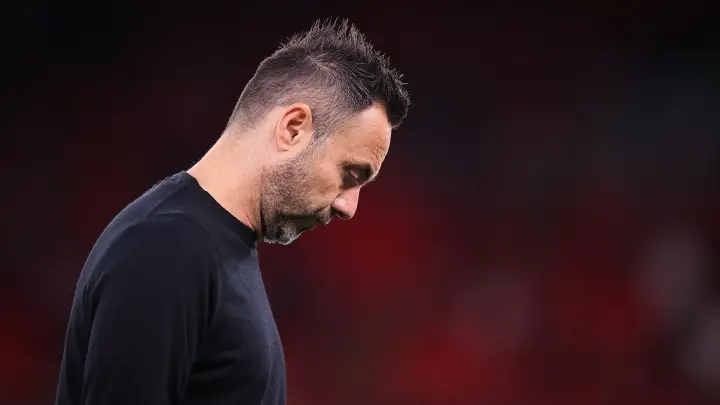
Tottenham Hotspur spent heavily in the summer transfer window, yet five rounds into the new Premier League season the north London club sits bottom of the table with two draws and three defeats. The pressure on head coach Roberto De Zerbi has become the dominant talking point of the English football week, and after a home loss to Aston Villa the Italian admitted his squad’s psychological state is fragile.
De Zerbi arrived with a reputation for bold, possession-heavy football built at Sassuolo, Shakhtar Donetsk, Brighton and Marseille. That record, however, is exactly what former Southampton and Queens Park Rangers striker Charlie Austin pointed to when he appeared on the British radio show Talksport. Austin said De Zerbi’s CV makes it difficult for him to feel optimistic, and suggested the players do not appear willing to run through walls for their manager.
The host, Ola Odipoo, framed the issue around temperament. In his view De Zerbi is an emotionally volatile coach who reacts sharply when results turn, and he noted that a lucrative severance package would make walking away from the job an unattractive option for the manager himself. Whether or not that reading is fair, it captures the mood around a club that expected to challenge near the top rather than prop up the division.
For global readers less familiar with the English game, the context matters. The Premier League is the world’s most-watched domestic football league, and its 20 clubs share broadcast money so evenly that a bad start is treated as a crisis almost immediately. Managers at big clubs are judged on results over a handful of matches, and the phrase ‘bottom of the table’ carries a weight far beyond October.
Tottenham’s problem is not simply points. A squad rebuilt at great expense needs time to gel, but the modern calendar offers little of it. International breaks interrupt training, supporters demand visible progress, and every dropped point invites speculation about the dressing room. De Zerbi’s own comments about fragility suggest he sees a confidence problem as much as a tactical one.
Football history offers both comfort and warning. Clubs have recovered from poor openings to finish comfortably, and clubs with talented squads have also slid into long, damaging seasons when a manager loses the group. The decisive factor is usually whether players still believe in the methods. Austin’s claim that they seem unwilling to ‘sell their lives’ for the coach is an opinion, not a fact, but it points at the question that will define Tottenham’s autumn.
What happens next is a matter of fixtures and nerve. A run of winnable games could restore belief quickly; another stretch of defeats would intensify scrutiny on the board as much as the bench. De Zerbi’s tactical ideas remain admired across Europe, and his previous clubs played some of the most attractive football in their leagues. The gap between admiration and results is where coaches lose jobs.
For now, Tottenham’s season is a case study in how fast expectations can invert. A club that spent to compete is instead fighting to climb off the floor, and the debate over the manager has become as loud as any result. The next few weeks will show whether De Zerbi can steady a fragile squad or whether the story turns into another Premier League managerial casualty.