Why a Chinese Pastry Trick Uses Potato, Not Beans
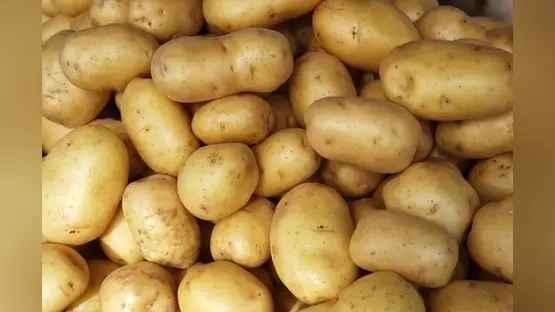
A food tip circulating on Chinese social media has startled home cooks: to make red bean paste taste like the filling sold in bakery buns, add mashed potato. The claim, widely shared with the half-joking line that the bean in bean paste is actually the potato, sent a science writer at Guokr to explain what is really going on.
Red bean paste, or dousha, is a staple of Chinese sweets, from steamed buns to mooncakes. It is traditionally made by boiling and mashing red adzuki beans with sugar and often oil. Good commercial paste is smooth, glossy and thick enough to hold its shape, which is harder to achieve at home than it looks.
Potato, the writer notes, is the common name for Solanum tuberosum, a nightshade native to the Andes that humans have cultivated and eaten for as long as 10,000 years. Its culinary usefulness comes from starch granules that swell and gelatinize when heated, then cool into a soft, elastic gel.
That texture is the point. Mashed potato blended into a bean mixture adds smoothness and body without a floury taste, and it helps the paste stay together when rolled or piped. It also stretches a costly ingredient: adzuki beans are more expensive and slower to cook than potatoes, so a little tuber goes a long way toward the consistency of a professional filling.
The trick is not entirely new. Bakers in several East Asian traditions have long used potato or sweet potato to soften and bind fillings, and commercial producers sometimes rely on starches for the same effect. What spread online was less a secret recipe than a home-kitchen workaround explained in plain language.
The writer is careful not to overclaim. Potato does not turn into red bean paste on its own, and the flavor still comes from the beans, sugar and fat. The addition is a texture tool, not a substitute, and too much will taste of potato rather than of bean.
Still, the episode is a neat example of how food science travels. A question born in a home kitchen ended up as a short lesson in starch chemistry, plant history and the economics of dessert fillings, and it gave readers a reason to look at a common tuber a little differently. The next time a bakery bun tastes unusually silky, the answer may be sitting in the vegetable drawer.