Pickled Cabbage Goes to the White House: China's Fermented Fixation
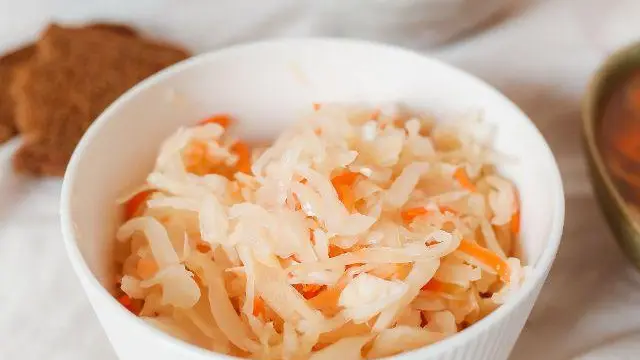
A fermented cabbage dish that has sat on northern Chinese dinner tables for centuries suddenly found itself in the global spotlight this autumn. During a White House press briefing, a Fox News correspondent asked Vice President JD Vance how much suancai he had been eating to lose weight, and his answer turned a humble household staple into an international talking point.
For readers outside China, suancai is the northern cousin of Korean kimchi: napa cabbage salted and left to ferment, usually with little or no chili. In the northeast, families still pack whole cabbages into ceramic vats each autumn, weighing them down with clean stones and letting the cold do the work. The result is sour, crunchy and unmistakably pungent, and it anchors dishes like suancai pork stew and suancai dumplings.
The fermentation itself is a microbial partnership. Lactic acid bacteria naturally present on the leaves consume sugars and produce acid, which preserves the vegetable and creates its tangy flavor. That same process gives the world sauerkraut, kimchi and pickled cucumbers. Because the bacteria do most of the work, the dish keeps for months without refrigeration, which is exactly why it became a winter survival food in China’s freezing northeast.
So can it help you lose weight? Nutritionists are cautious. Fermented vegetables are low in calories, high in fiber and rich in probiotics, all of which can support digestion and make a meal feel more filling. If pickled cabbage replaces fried snacks or sugary sides, it may indirectly help. But the dish is also famously salty, and traditional recipes often cook it with fatty pork, which quickly cancels any advantage.
A Chinese commenter captured the skepticism neatly: if eating suancai made people thin, the northeast would have no overweight residents at all. The line circulated widely online, a reminder that single-food weight-loss claims rarely survive contact with an actual dinner table.
What the episode really reveals is how global food culture now travels. A regional Chinese pickle can appear in American political chatter within hours, then bounce back into Chinese social media as a curiosity. It is a small, cheerful example of cultural exchange running in both directions at once, with no translation required beyond a fork.
If the attention makes more people try fermenting cabbage at home, food writers say that is a good thing. The technique is cheap, forgiving and ancient, requiring only salt, time and patience. Whether or not it trims a waistline, it reliably adds a sharp, sour note to winter cooking, and that may be the more honest promise to make.