Why Japan Never Fell for Rice Noodles
Ask anyone in China, Vietnam or Thailand about a quick bowl of noodles and rice noodles will come up fast: chewy, translucent strands sliding through broth or stir-fries. So it is a fair question why Japan — a country that has built entire identities around rice, from sushi to sake — barely has a rice-noodle tradition at all. A widely shared explainer from the Chinese Q&A platform Zhihu took on exactly that puzzle, and the answer turns out to be a mix of technology, history and appetite.
The first clue is timing. Noodle-making techniques and the tools that go with them, such as presses and fine sieves, reached the Japanese archipelago relatively late compared with their spread through mainland China and Southeast Asia. By the time the equipment and know-how were available, Japan had already developed strong local preferences for wheat noodles like udon and soba, and for rice in its grain form. There was simply less room, and less demand, for a rice-flour noodle industry to take root.
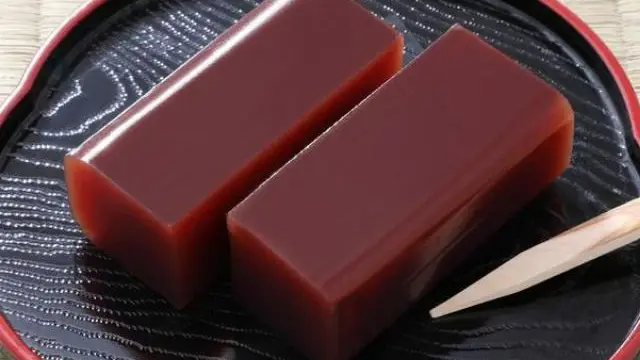
The second clue is what Japan’s elite did with rice flour instead. Rather than turning it into savory noodles, early courtly and aristocratic kitchens pushed rice flour toward sweets. Japanese confectionery, or wagashi, is full of examples: chewy mochi made from pounded glutinous rice, mizuame, a clear syrup made by converting rice starch into sugar, and yokan, a dense jelly often made with sweet bean paste and agar that historically leaned on rice-derived sweetness. In other words, when rice was ground, it went into the dessert tray, not the soup bowl.
That pattern was reinforced by class and culture. Rice itself was precious, a luxury associated with status and ritual. Grinding it into flour for everyday noodles would have felt like a waste of a prized grain, especially when wheat, buckwheat and other crops could carry the savory noodle load. The result was a culinary split: rice stayed whole and ceremonial, wheat became the noodle of choice, and rice flour became the raw material for refined sweets.
Geography and trade mattered too. Japan is an island chain, and its foodways absorbed influences in waves — from China, Korea and later Europe — but each wave was filtered through local tastes and institutions. Techniques that arrived late did not automatically replace what already worked. Rice noodles, common in southern China and Southeast Asia where rice was abundant and milling traditions were deep, simply never found the same ecological or economic niche in Japan.
The explainer also gently pokes at a common assumption: that Japan’s love of rice should naturally produce rice noodles. In fact, the country does have rice-based foods beyond the obvious — including the chewy mochi and the sweet rice-flour confections that show up at festivals and tea ceremonies. They are just organized around sweetness and texture rather than the savory, slurpable bowl that defines noodle culture elsewhere in Asia.
For global food lovers, the takeaway is a reminder that cuisine is not a simple function of ingredients. It is shaped by when tools arrive, who controls the grain, what the elite crave and what ordinary cooks can afford. Japan had the rice. It just chose to turn it into mochi, yokan and syrup — and left the rice noodles to its neighbors. The full discussion, translated from Zhihu, has been circulating widely among readers curious about the hidden logic behind everyday food.